
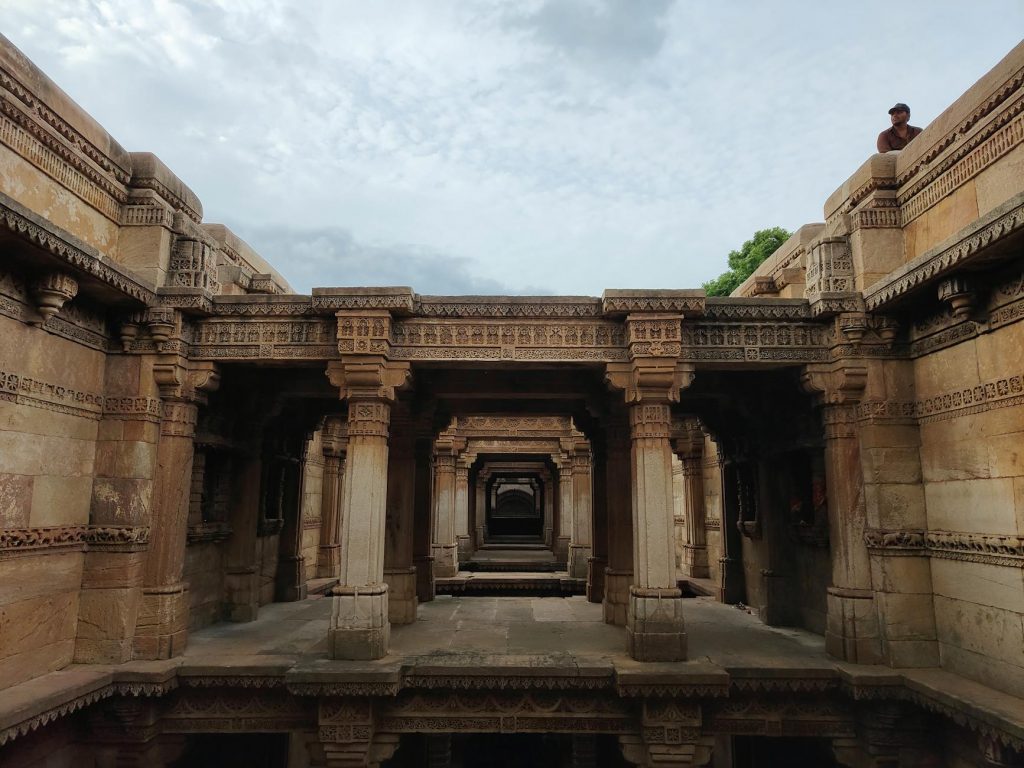
India’s cities are witnessing a resurgence of ancient stepwells, also known as baori, to combat the growing water crisis.
These intricate structures, built centuries ago to store and conserve water, have been restored and revamped to provide a sustainable source of water for local communities.
Stepwells have been a vital part of Indian architecture since the 3rd century BCE, particularly in the western and southern regions of the country.
They not only served as a source of water but also as social hubs, where people would gather to rest, socialize, and enjoy the natural beauty surrounding them.
What’s Behind the Revival?
The revival of stepwells is largely driven by the need to conserve water and reduce dependence on groundwater.
With rapidly depleting water tables and increasing urbanization, cities are looking for innovative solutions to ensure a steady supply of water for their residents.
Restoring stepwells has proven to be an effective way to recharge groundwater, improve water quality, and create green spaces within urban areas.
From Heritage Sites to Modern Water Harvesting
Many stepwells have been listed as heritage sites by the Archaeological Survey of India, making their restoration a priority for preserving India’s cultural legacy.
However, the focus has shifted from mere preservation to making these structures functional again, with a focus on water harvesting and conservation.
Local communities are now working with architects, engineers, and government agencies to restore and maintain these ancient structures, ensuring a sustainable water supply for years to come.
As India continues to grapple with its water crisis, the revival of stepwells offers a promising solution, one that blends tradition with modern technology and innovation.