
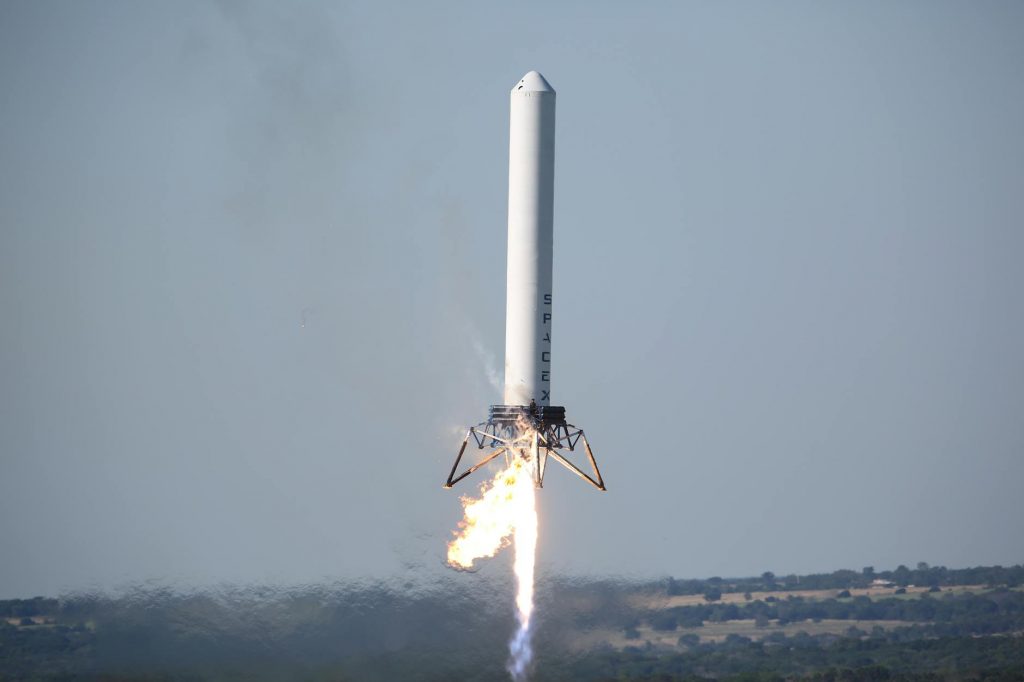
So what’s ISRO actually trying to do here? The space agency just successfully tested a powerful new engine that’ll power India’s next-generation heavy-lift rocket. Think of it like this — if ISRO’s current rockets are the workhorse trucks, this new engine is meant for the heavy-duty bulldozer category.
The test was a big deal because it proves India can now build even more powerful launch systems. Right now, ISRO can send satellites and spacecraft into space, but this new engine opens doors to heavier payloads and more ambitious missions.
Why This Engine Matters for India
India’s space program has come a long way since the early days. We’ve landed on the moon, sent rovers to Mars, and built our own satellite navigation system. But there’s always been one thing missing — the ability to launch really heavy stuff into space like some other spacefaring nations can.
This new engine changes that equation. A more powerful engine means ISRO can lift heavier rockets, which means more ambitious missions become possible. We’re talking about bigger telescopes, more advanced spacecraft, maybe even missions beyond Earth’s orbit.
The test itself involved firing up the engine and checking if it performs exactly as designed. Engineers look at thrust levels, fuel consumption, heat management, and dozens of other parameters. When everything checks out, it’s a green signal to move forward with building the actual rocket.
What Comes Next for Indian Space
This isn’t just about launching satellites anymore. With a heavier lift capacity, India can compete on the global stage for bigger contracts. Private space companies and international partners look at what you can lift — and this engine upgrade strengthens ISRO’s hand significantly.
There’s also the prestige angle. Space technology isn’t just about sending things up there — it’s about national capability and technological advancement. Every successful test is proof that Indian scientists and engineers can innovate and build world-class systems.
The real-world applications are pretty cool too. Better launch capacity means more earth observation satellites for weather forecasting and disaster management. It means better communication satellites. It could even support India’s future plans for space stations or deep space exploration.
Of course, from your phone’s perspective, better rockets mean better internet connectivity through satellites, better weather predictions, and potentially lower costs for space-based services in the future.
ISRO hasn’t announced timelines for when this engine will fly on an actual rocket, but successful tests like this usually mean we’re looking at a few years before the first launch. Keep an eye on ISRO’s announcements — when this beast takes off, it’ll be a genuinely proud moment for Indian space exploration.