
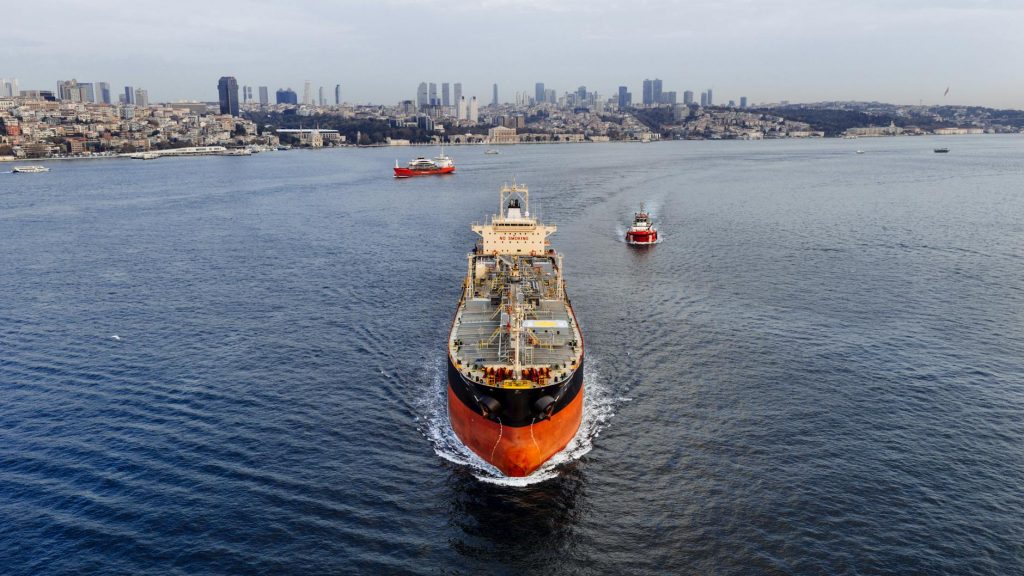
Can ships still move freely through the Strait of Hormuz? Not always — and Iran is now controlling who gets through.
Iran’s envoy Fathali confirmed that his country has been selectively allowing certain vessels to pass through one of the world’s most critical waterways. This isn’t routine. The Strait of Hormuz is a chokepoint where roughly a third of all global maritime oil trade flows, making any restrictions a big deal for energy markets worldwide.
What’s Actually Happening
The envoy’s statement reveals that Iran is exercising its control over passage through the Strait with a selective approach. Some ships get the green light while others don’t. This isn’t the first time Iran has used its geographic position as leverage — the country sits on one side of this narrow passage, giving it significant influence over international shipping routes.
For India, this matters directly. Indian tankers regularly transport oil through the Strait, and any disruption affects fuel prices at home. When Iran tightens the screws on maritime passage, it ripples through Indian markets within weeks.
Why This Matters Right Now
The selective allowance signals that Iran is willing to negotiate rather than impose a complete blockade. That’s the diplomatic reading of it. But it also shows the country is prepared to use its geographic advantage as a bargaining chip in international negotiations.
Indian businesses importing oil need to watch this closely. While Iran isn’t shutting down the Strait entirely, the uncertainty around which vessels get cleared creates delays and pushes up shipping insurance costs. Both factors eventually hit Indian consumers through higher fuel prices.
The broader context here is Iran’s ongoing tensions with Western nations over sanctions and nuclear negotiations. The Strait of Hormuz has historically been a pressure point during such disputes, and Iran’s latest move suggests it’s keeping that tool sharp.
For now, international shipping continues, but with conditions attached. The key question traders are asking: Will Iran extend these restrictions or is this temporary? The answer depends entirely on how international negotiations progress over the coming weeks.
This situation remains fluid. India’s government and oil companies are certainly monitoring Iranian actions closely, given how much our energy security depends on smooth passage through this waterway. Any escalation could force India to explore alternative shipping routes or negotiate directly with Tehran — both options carry their own costs and complexities.