
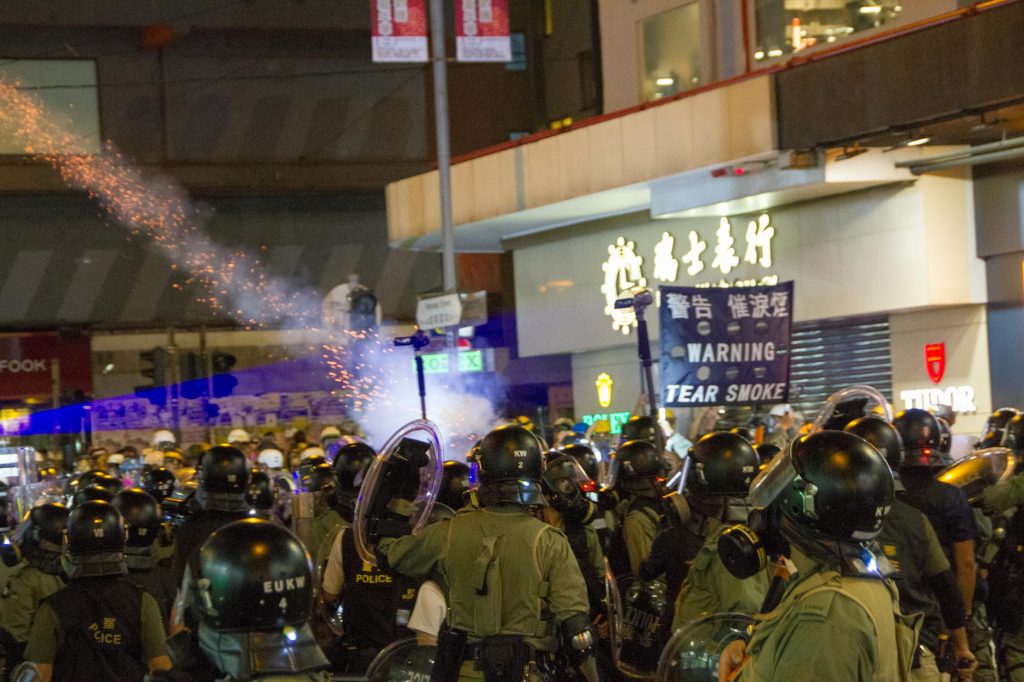
What’s happening in Kolkata right now? Tensions are running high as the city gears up for a major political rally, with reports of clashes between rival groups creating an edgy atmosphere across several neighborhoods.
The city witnessed confrontations between supporters of different political parties in the days leading up to the event. While such political tensions aren’t uncommon during major rallies, the intensity of these clashes has caught the attention of residents and observers alike.
Why Are Things Getting Heated?
Kolkata, as West Bengal’s capital, remains a politically charged city where different parties have strong ground support. When major national leaders visit for rallies, it often becomes a flashpoint for local political rivalries and competing interests.
The clashes reportedly involved groups from opposing camps engaging in street-level confrontations. Local authorities have been working to maintain order, though tensions simmered in pockets across the city before the rally even took place.
Political rallies in India draw massive crowds and can serve as important platforms for parties to energize their supporters. But they also sometimes become flashpoints where accumulated frustrations between competing groups boil over into street violence.
On The Ground in Kolkata
Residents in affected areas reported a noticeable police presence as the city prepared for the high-profile event. Local businesses and shops in certain neighborhoods chose to remain shut as a precaution, which is fairly typical during volatile political periods.
The West Bengal police deployed additional personnel to key areas to prevent further escalation. Crowd management and maintaining communal peace during such events requires careful coordination between authorities and ground-level monitoring.
What’s important to understand is that Kolkata has a long history of passionate political engagement. Street-level activism and public displays of political loyalty are deeply embedded in the city’s culture, which sometimes leads to these kinds of heated confrontations.
Social media added another layer to the situation, with claims and counter-claims from various groups circulating online even as physical clashes were being reported. In today’s connected India, narratives spread faster than the events themselves sometimes.
The incidents highlight the ongoing tension between political expression and public order that Indian cities must constantly balance. As democratic participation remains high and passionate across the country, managing these moments without infringing on people’s rights to political expression remains a key challenge for authorities.
Going forward, all eyes are on how quickly Kolkata’s situation normalizes and whether such tensions resurface during other political activities in the months ahead.