
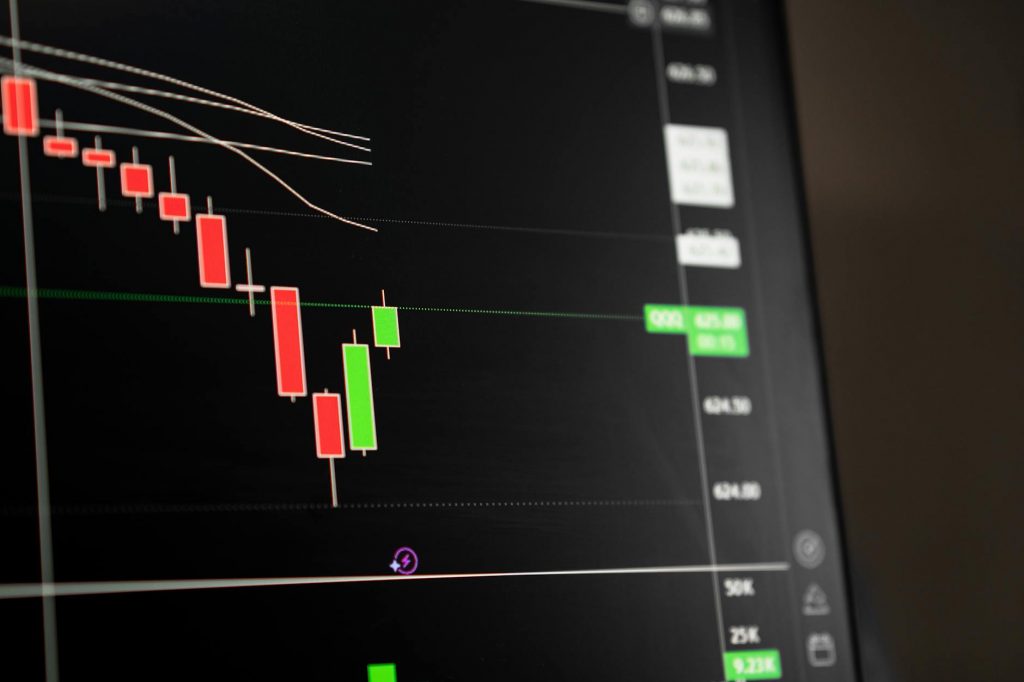
So your stocks just took a hit this morning—and you’re probably wondering why? The Indian stock market opened sharply lower today after geopolitical tensions spiked in the Middle East, with the Sensex dropping around 1,100 points and Nifty sliding 330 points right at the opening bell.
What Exactly Happened Overnight?
Iran launched strikes in the region, and whenever there’s conflict in the Middle East, Indian investors get nervous. Here’s the thing: India imports a significant chunk of its crude oil, and any disruption to Middle Eastern stability makes fuel prices jittery, which then affects everything else in the economy.
When crude prices spike, it becomes more expensive for companies to do business. Shipping costs go up, manufacturing becomes pricier, and that all flows down to your everyday expenses—from petrol at the pump to groceries at your local supermarket.
Why Markets Hate Uncertainty
Here’s what traders hate more than anything: not knowing what comes next. Geopolitical tensions create that exact problem. When there’s a risk of bigger conflicts, nobody wants to put fresh money into stocks because nobody knows if things will get worse.
Large institutional investors and foreign funds get extra cautious during these times. They start pulling money out of emerging markets like ours to park it in safer places like US treasuries or gold. That’s what creates the initial selling pressure you see in markets during geopolitical events.
The banking sector typically takes a bigger hit because higher oil prices usually mean the central bank might hold off on interest rate cuts—which banks weren’t expecting. IT companies also get nervous because of global slowdown fears.
Should You Be Panicking?
Not really, if you’re a long-term investor. History shows that markets always recover from geopolitical shocks. Yes, today’s drop is real and your portfolio might look uglier, but these kinds of events rarely create lasting damage.
In fact, if you’ve been wanting to invest but worried about valuations, today might actually create some opportunities. The trick is having the stomach to buy when everyone else is selling.
What matters most is whether this geopolitical situation escalates further or stabilizes. If things calm down in the next 48-72 hours, you’ll likely see a strong recovery. Markets have surprisingly short memories when it comes to these events—once the immediate danger passes, investors start looking at fundamentals again.
Keep your eye on crude oil prices and any fresh news from the region over the next few days—those will be your real indicators of where the market heads next.