
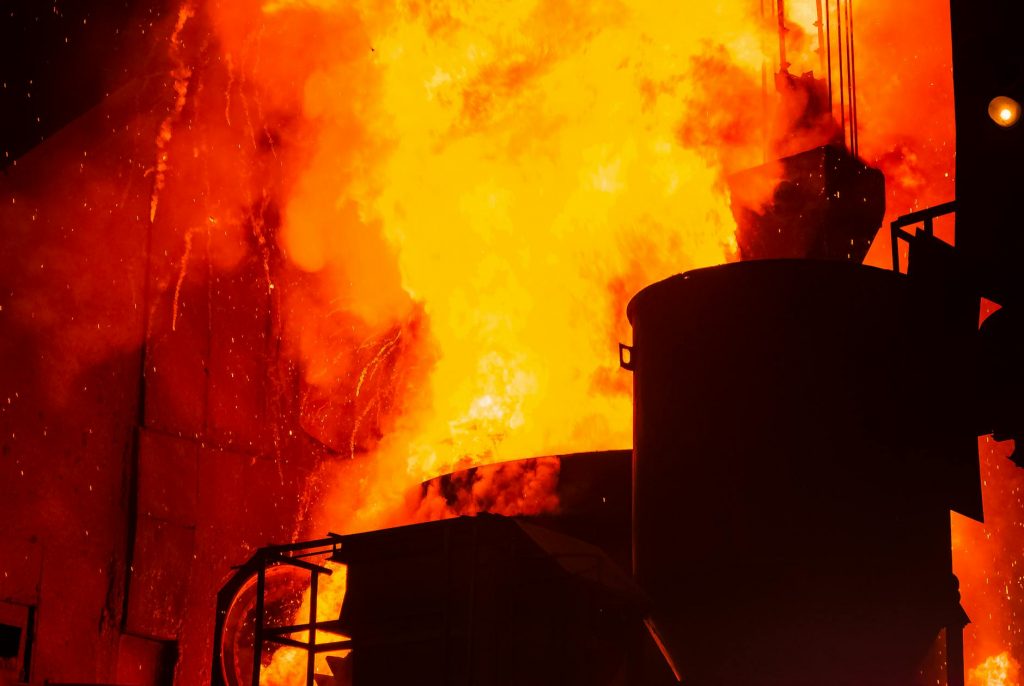
Imagine working an ordinary day at a factory near you, then suddenly everything changes in a moment. That’s what happened to workers in Nagpur when a devastating blast tore through an industrial unit, killing 17 people and leaving many others injured. The incident has shocked the region and raised serious questions about workplace safety in our factories.
The explosion occurred at a chemical or manufacturing facility in Nagpur, Maharashtra’s second-largest city. Emergency teams rushed to the scene, and rescue operations continued as authorities assessed the damage. The death toll reached 17, making it one of the deadliest industrial accidents in recent Maharashtra history.
PM Modi’s Response and Financial Relief
Prime Minister Narendra Modi responded quickly to the tragedy, announcing ex gratia (financial assistance) for the families of the deceased and injured workers. This is monetary help provided by the government in cases of natural disasters or major accidents. While the exact amount wasn’t specified initially, such announcements typically provide Rs 2 lakh per family in fatal cases.
The PM expressed his condolences to the affected families and directed relevant authorities to ensure proper medical care for the injured. State officials also announced their own support packages to help victims and their dependents navigate this crisis.
Safety Concerns in Indian Factories
This blast highlights a recurring problem in India’s manufacturing sector. Many factories, especially in smaller towns, operate without proper safety equipment or regular inspections. Workers often lack adequate protective gear, and emergency protocols exist only on paper.
Industrial accidents happen for various reasons: faulty equipment, chemical leaks, poor ventilation, inadequate maintenance, or human error. The challenge is that enforcement of safety rules remains weak across many states, and workers themselves may not be fully trained on hazard awareness.
Experts point out that while large corporations follow international safety standards, smaller factories struggle with compliance due to cost concerns. This creates a dangerous environment where one small mistake can become catastrophic.
What Happens Next
Authorities will conduct a detailed investigation to determine the exact cause of the blast. This typically involves examining the facility’s maintenance records, worker testimonies, and technical evidence. The findings will likely lead to safety recommendations.
For the families affected, the immediate concern is financial support and medical treatment. Beyond compensation, they’ll need emotional support and help finding alternative employment. NGOs and government agencies usually step in to provide counseling and job placement assistance.
This tragedy serves as a reminder that industrial safety isn’t just corporate responsibility—it’s everyone’s concern. Whether you work in a factory or know someone who does, staying aware of workplace hazards and speaking up about unsafe conditions can save lives. India’s industrial growth must never come at the cost of workers’ safety and dignity.