
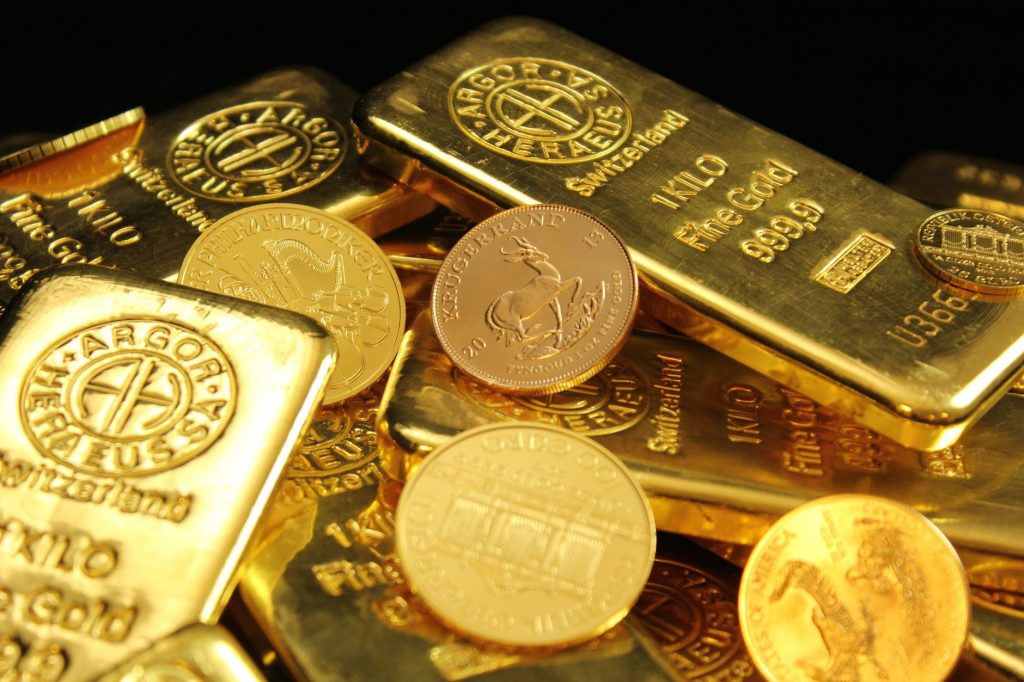
Gold prices in Bangalore are on a roll, and it’s not just the festive season that’s driving the demand. As of today, 24K gold has reached a new high of ₹14,455 per gram, according to HDFC Sky, a leading gold price tracker. This significant increase has left many investors and jewellery enthusiasts wondering what’s behind this upward trend.
The gold market is known for its volatility, but this sudden spike in prices is worth taking a closer look at. Economic experts point out that global factors such as inflation, interest rates, and currency fluctuations are playing a significant role in driving gold prices up. With the Reserve Bank of India (RBI) keeping a hawkish stance on interest rates, investors are seeking safer havens like gold to park their funds.
Why Gold Prices are Rising in India
Another key factor contributing to the rise in gold prices is the increasing demand from the Indian market. As the economy continues to grow, Indians are becoming more affluent, and their appetite for gold is increasing. This is reflected in the jewellery industry, which is seeing a surge in sales, particularly during the festive season. Moreover, the government’s initiatives to promote gold savings and the introduction of gold ETFs have also boosted demand.
However, it’s not just the domestic market that’s driving gold prices up. Global events such as the ongoing conflict in Ukraine and the US-China trade tensions are also contributing to the rise. As investors seek safe-haven assets, gold is becoming an increasingly attractive option. Additionally, the devaluation of the Indian rupee against the US dollar has made gold more expensive for Indian buyers, further contributing to the price increase.
What Does This Mean for Investors?
For investors looking to buy gold, this price hike may seem daunting. However, it’s essential to consider the long-term prospects of gold as a safe-haven asset. Historically, gold prices have shown a positive correlation with inflation and interest rates. As the RBI continues to maintain its hawkish stance, investors may want to consider gold as a hedge against inflation.
On the other hand, for jewellery manufacturers and retailers, this price hike presents a mixed bag. While it may lead to higher profits, it also increases the cost of raw materials, which could impact their profit margins. Moreover, the price increase may deter some consumers from buying gold, at least in the short term.
What’s Next for Gold Prices?
As the situation unfolds, one thing is clear: gold prices are unlikely to stabilize anytime soon. The global economic landscape is uncertain, and investors will continue to seek safe-haven assets. For Indians, it’s essential to stay informed and make educated decisions about investing in gold. Whether you’re a seasoned investor or a jewellery enthusiast, it’s crucial to stay ahead of the curve and adapt to the changing market dynamics.
In conclusion, the rise in 24K gold prices to ₹14,455 per gram is a significant development in the Indian gold market. As investors, consumers, and jewellery enthusiasts, it’s essential to understand the underlying factors driving this trend and make informed decisions about investing in gold. With the global economic landscape evolving rapidly, one thing is certain: the gold market will continue to be a hot topic in the days to come.