
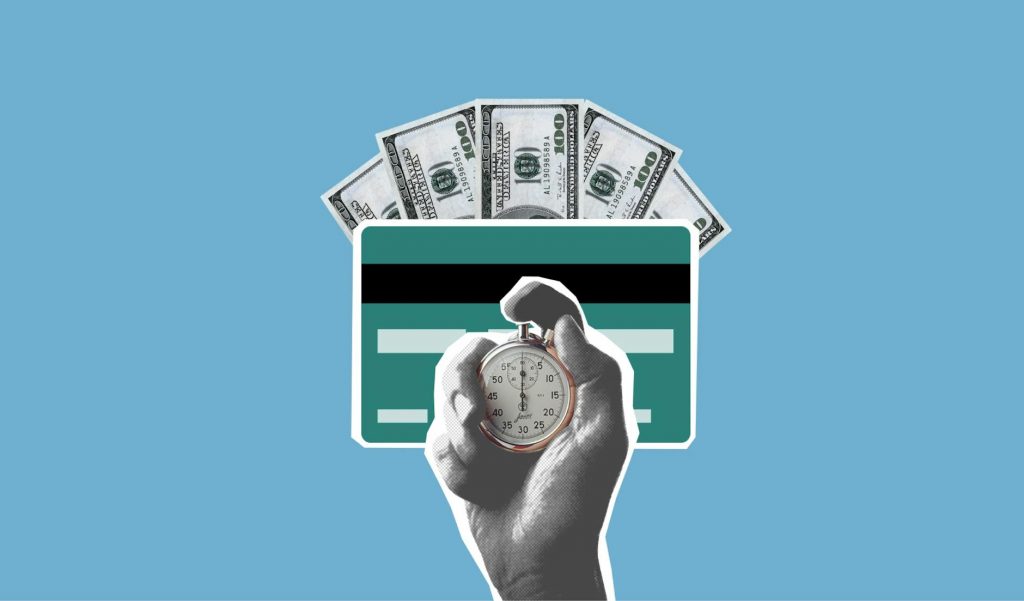
Big Budgets, Small Payouts?
So, here’s the scoop: our government has managed to spend less than 40% of the money earmarked for its biggest schemes in the first nine months of this financial year. That’s a pretty significant chunk of change that hasn’t found its way to where it’s supposed to go, fast enough.
This isn’t just about numbers on a ledger; it has real-world implications. These are the schemes designed to boost development, help citizens, and drive the economy forward. When the money isn’t flowing, projects can get delayed, benefits might not reach people on time, and the intended impact gets diluted.
Think about it – these are often the flagship programs folks rely on for everything from infrastructure development to social welfare. A slow rollout means slower progress for everyone.
Why This Matters for Your Future
For competitive exam aspirants, understanding these trends is crucial. It shows how government policy translates into action (or inaction) and impacts the economy. It’s a practical application of what you study in subjects like economics, governance, and public administration.
This kind of information often forms the basis for questions in exams like UPSC, SSC, IBPS, and state-level PSCs. They want to see if you grasp the real-world consequences of budget allocation and spending patterns.
Slow spending can also signal potential challenges in implementation, bureaucracy, or even a re-evaluation of priorities. It’s a good indicator of how efficiently public funds are being managed.
What does this mean moving forward? Well, the remaining three months of the financial year are now critical. We’ll likely see increased pressure to expedite spending and ensure that the allocated funds are utilized effectively. This could involve streamlining processes or perhaps even reallocating funds if certain schemes are demonstrably behind schedule.
Keep an eye on this space. Understanding these budget dynamics is key to cracking those exams and staying informed about how your country is run. The next few months will be telling for these major schemes.