
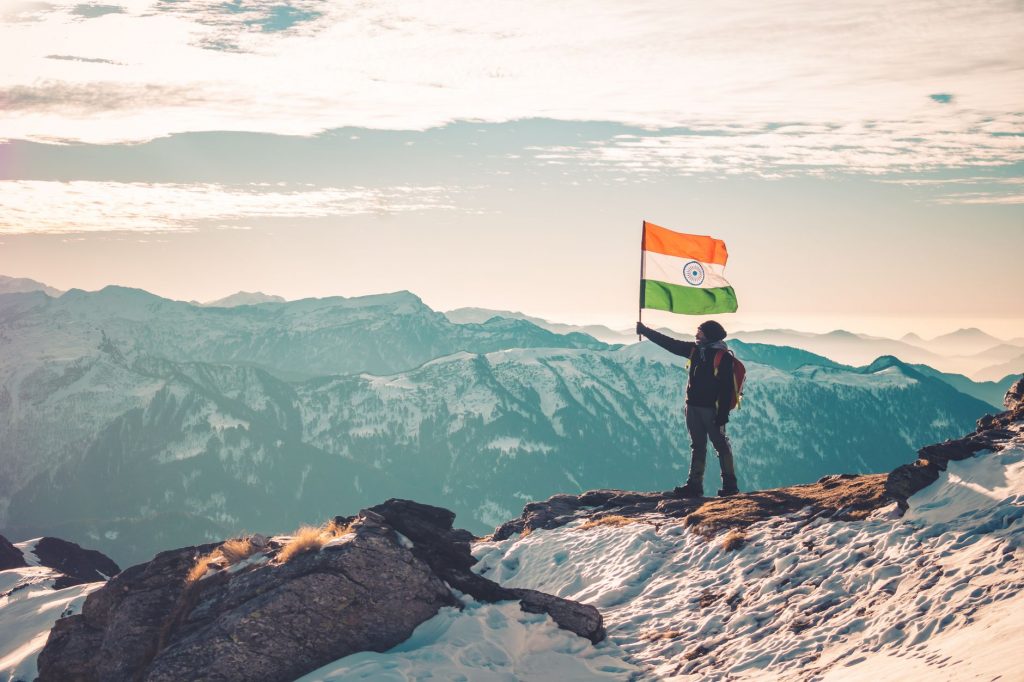
Get ready, India! Our country is about to become the centre of global attention as we host a much larger BRICS summit. Imagine bringing together not just the usual big players like Brazil, Russia, India, China, and South Africa, but also new members. This isn’t just another meeting; it’s a significant gathering where leaders will tackle some of the world’s biggest challenges – how we trade, how money flows across borders, and how global decisions are made.
More Countries, Bigger Conversations
This year’s BRICS summit, hosted by India, is going to be bigger than ever. For the first time, we’ll see several new nations joining the bloc. This expansion means that the discussions will cover a wider range of issues and perspectives. Think about it: more voices at the table means more ideas and potentially stronger solutions for the global economy. The focus will be squarely on making global trade fairer, strengthening international financial systems, and reforming how big global decisions are taken, ensuring they represent more of the world.
Why This Matters for India and You
So, why should you, an everyday Indian, care about this summit? Well, the decisions made at BRICS directly impact your wallet and your future. When leaders discuss trade, it can mean better deals for Indian businesses, leading to more jobs and cheaper goods for you. When they talk about finance, it can influence the stability of the global economy, which in turn affects inflation and investment here at home. And when they discuss governance, it’s about giving countries like India a stronger say in international affairs, ensuring our voice is heard on the world stage.
Looking Ahead: India’s Role
India’s role in hosting this expanded summit is a big deal. It shows our growing influence and leadership in global affairs. As we navigate these complex international discussions, India will be pushing for solutions that benefit developing nations and promote a more balanced world order. This summit is an opportunity for India to not only represent its own interests but also to champion the needs of many other countries, shaping a future where global economics and politics are more inclusive and sustainable for everyone.