
Imagine you’re planning a grand wedding for your only child. You want everything to be perfect, from the venue to the catering to the decorations. You spend months researching, shortlisting options, and negotiating prices to get the best deal. Similarly, when the Indian government decides to purchase a fleet of fighter jets, it’s a monumental decision that requires careful planning and negotiation.
India Issues Letter of Request for Rafale Deal
The Indian government has taken a significant step towards acquiring the Rafale fighter jets from France. In a move that’s being closely watched by defence analysts and industry experts, India has issued a Letter of Request (LoR) to France for the ₹3.25-lakh-crore deal. This LoR is essentially a formal request to France to participate in the procurement process and to provide a proposal for the sale of the Rafale jets.
The ₹3.25-lakh-crore deal is one of the largest defence deals in recent Indian history. It’s a significant investment that will not only enhance India’s air power but also create a ripple effect in the country’s economy. The deal is expected to generate employment opportunities, stimulate the growth of associated industries, and provide a boost to India’s aerospace sector.
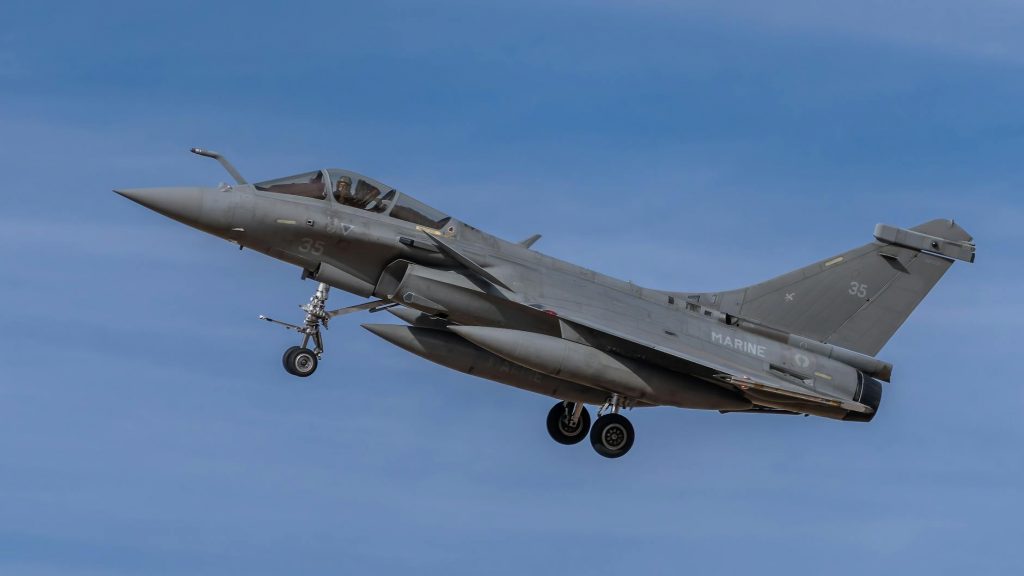
So, what exactly is the Rafale jet, and why is it so coveted by India? The Rafale is a multirole fighter jet that’s capable of carrying out a range of missions, from air-to-air combat to ground attack. It’s a highly advanced aircraft that’s equipped with cutting-edge technology, including advanced radar systems, precision-guided munitions, and a state-of-the-art avionics suite.
The Rafale is not just a machine; it’s a symbol of a country’s military prowess. It’s an aircraft that’s been chosen by several countries, including India, France, and Egypt, and it’s widely regarded as one of the best fighter jets in the world. The Rafale deal is a significant step towards modernising India’s air force and enhancing its ability to defend the country’s skies.
Defence experts say that the LoR is a crucial step in the procurement process, as it sets the stage for negotiations between India and France. The LoR is expected to be followed by a Request for Proposal (RfP), which will provide more details about the requirements of the Indian government. The RfP will likely include specifications about the aircraft, its maintenance requirements, and the level of technology transfer that India seeks from France.
What’s Next in the Rafale Deal?
So, what happens next in the Rafale deal? The LoR is a formal request to France, and it’s expected to be followed by a series of negotiations between the two countries. The negotiations will likely focus on the price of the aircraft, the level of technology transfer, and the terms of the deal. India will also need to ensure that the deal is compliant with the country’s defence procurement procedures and that it meets the requirements of the Indian government.
The Rafale deal is a significant development in the Indian defence sector, and it has far-reaching implications for the country’s economy and national security. The deal is expected to generate significant employment opportunities and stimulate the growth of associated industries. It’s also expected to provide a boost to India’s aerospace sector and enhance the country’s ability to defend its skies.
Expert Context: Why the Rafale Deal Matters
For Defence Analyst, Ajay Banerjee, the Rafale deal is a significant step towards modernising India’s air force. ‘The Rafale is a highly advanced aircraft that will provide a significant boost to India’s air power,’ he says. ‘The deal is also expected to generate significant employment opportunities and stimulate the growth of associated industries.’ Banerjee adds that the deal has far-reaching implications for India’s national security and that it will enhance the country’s ability to defend its skies.
For Aerospace Expert, Dr. K. Jayakumar, the Rafale deal is a significant development in the Indian aerospace sector. ‘The Rafale is a highly advanced aircraft that will provide a significant boost to India’s aerospace sector,’ he says. ‘The deal is also expected to stimulate the growth of associated industries and generate significant employment opportunities.’ Jayakumar adds that the deal has far-reaching implications for India’s economy and national security.
As the Rafale deal moves forward, it will be closely watched by defence analysts, industry experts, and the Indian public. The deal has far-reaching implications for India’s economy and national security, and it’s expected to generate significant employment opportunities and stimulate the growth of associated industries.
In conclusion, the Indian government’s decision to issue a Letter of Request to France for the ₹3.25-lakh-crore Rafale deal is a significant step towards modernising India’s air force. The deal has far-reaching implications for India’s economy and national security, and it’s expected to generate significant employment opportunities and stimulate the growth of associated industries.