
Imagine you’re scrolling through social media, and you come across a video that seems to show a world-renowned landmark undergoing a dramatic change. The Kennedy Center in Washington D.C., a cultural institution that’s synonymous with American history and the arts, is seen sans a prominent name.
The video, which appears to show President Trump’s name being ripped off the front of the building, has gone viral, attracting millions of viewers online. But, as it often does, the internet has been left wondering – what’s fact, and what’s fiction?
What’s Really Happening?
A closer look at the footage reveals that it’s been digitally manipulated using artificial intelligence (AI). The video was created by a user on social media platform, and it’s a clever example of how AI can be used to create convincing, yet false, content.
The Kennedy Center has issued a statement clarifying that President Trump’s name was never removed from the building. The institution has always maintained a policy of neutrality, and the building’s signage has always reflected that.
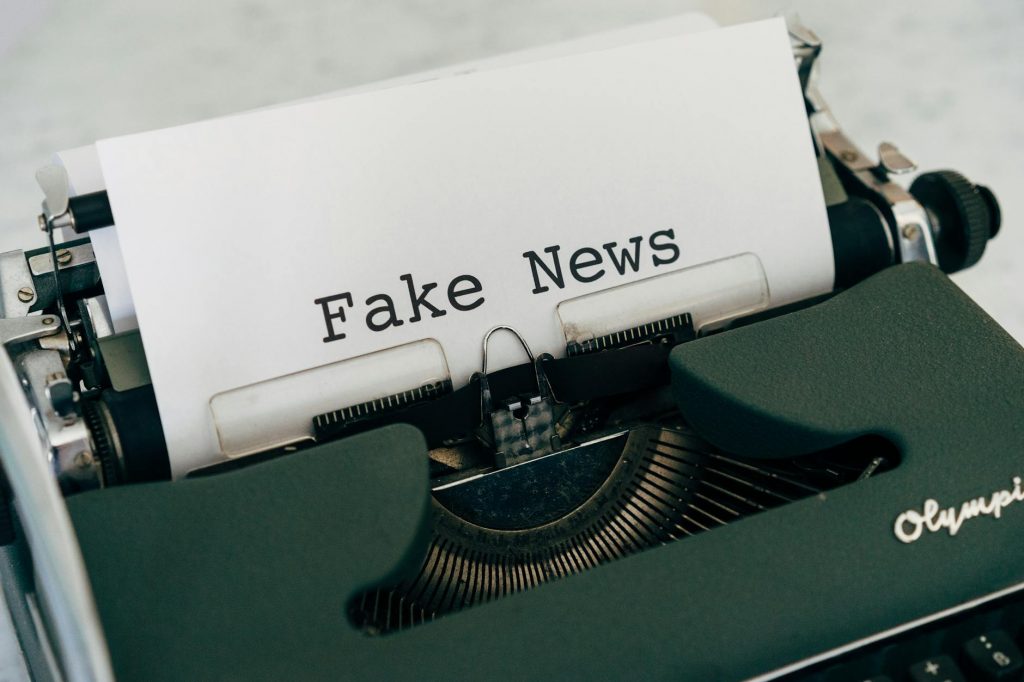
So, why did someone go to the trouble of creating a fake video? The answer lies in the current climate of social media, where misinformation can spread like wildfire. In today’s digital landscape, it’s easier than ever to create convincing fake news, and the consequences can be far-reaching.
The Rise of Fake News
India has seen its fair share of fake news stories, from misinformation about vaccination to hoaxes about government policies. The spread of false information can have serious consequences, from eroding trust in institutions to causing panic among the public.
Experts say that the key to mitigating the spread of fake news lies in critical thinking and media literacy. By being able to distinguish between fact and fiction, we can create a safer online environment for everyone.
As India continues to grow its digital footprint, it’s essential that we prioritize media literacy and critical thinking. By doing so, we can ensure that the internet remains a force for good, rather than a source of harm.
What’s Next?
The fake video of President Trump’s name removal is just the latest example of how AI can be used to create convincing, yet false, content. As we move forward in this digital age, it’s essential that we remain vigilant and critical of the information we consume online.
By being aware of the ways in which misinformation can spread, we can create a safer online environment for everyone. And, as we continue to navigate the complexities of the digital landscape, it’s more important than ever to prioritize media literacy and critical thinking.
Ultimately, the spread of fake news is a problem that requires a collective solution. By working together, we can create a digital environment that’s free from misinformation and filled with fact-based content.