
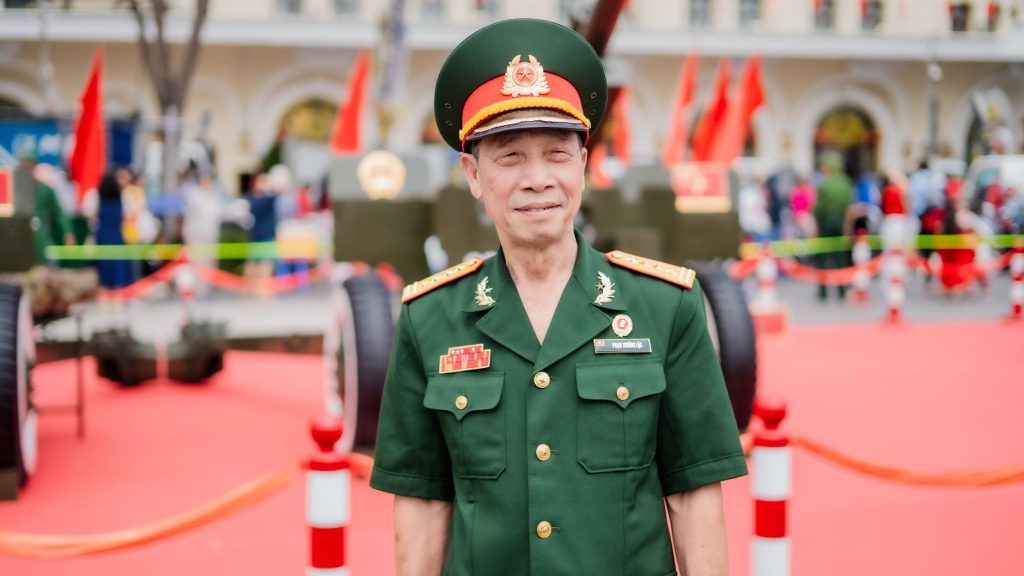
In a disturbing development that highlights the growing menace of manipulated media, a video purportedly showing Army Chief General Upendra Dwivedi criticizing the government’s stance on the Taliban has been definitively debunked as a sophisticated deepfake. The viral clip, which spread rapidly across social media platforms, has been exposed by Vishvas News, a prominent Indian fact-checking organization, as a fabricated piece of misinformation designed to sow discord and distrust.
The Deceptive Digital Fabrication
The video, which gained considerable traction, depicted General Dwivedi seemingly expressing strong disapproval of the government’s alleged leniency or engagement with the Taliban regime. The audio and visual elements were crafted to appear authentic, leading many unsuspecting viewers to believe it represented a genuine statement from the nation’s top military commander. However, meticulous analysis by Vishvas News revealed significant inconsistencies and artificial manipulations, confirming it as a deepfake, a type of synthetic media where a person in an existing image or video is replaced with someone else’s likeness.
Why This Deception Matters to India
The implications of such deepfakes are far-reaching and deeply concerning for India. In a nation where information, especially concerning national security and political matters, is consumed voraciously, the ability to create and disseminate convincing fake content poses a serious threat to public discourse and national stability. Such fabrications can be used to incite public anger, undermine democratic processes, and even create diplomatic tensions. The intention behind this particular deepfake appears to be to create a rift between the military leadership and the civilian government, exploiting sensitive geopolitical issues like the situation in Afghanistan.
This incident serves as a stark reminder of the urgent need for increased digital literacy among the Indian populace. As technology advances, so does the sophistication of misinformation campaigns. It is crucial for citizens to approach viral content, particularly videos and audio clips, with a healthy dose of skepticism and to rely on credible news sources and fact-checking initiatives like Vishvas News for verification. The spread of such deceptive content erodes trust in institutions and can have tangible consequences on public opinion and policy.
The exposure of this deepfake is a victory for truth and a call to action. It underscores the importance of robust fact-checking mechanisms and the collective responsibility of every Indian to be a discerning consumer of information. The battle against misinformation is ongoing, and vigilance, critical thinking, and reliance on verified facts are our most potent weapons in safeguarding our democracy and national integrity.