
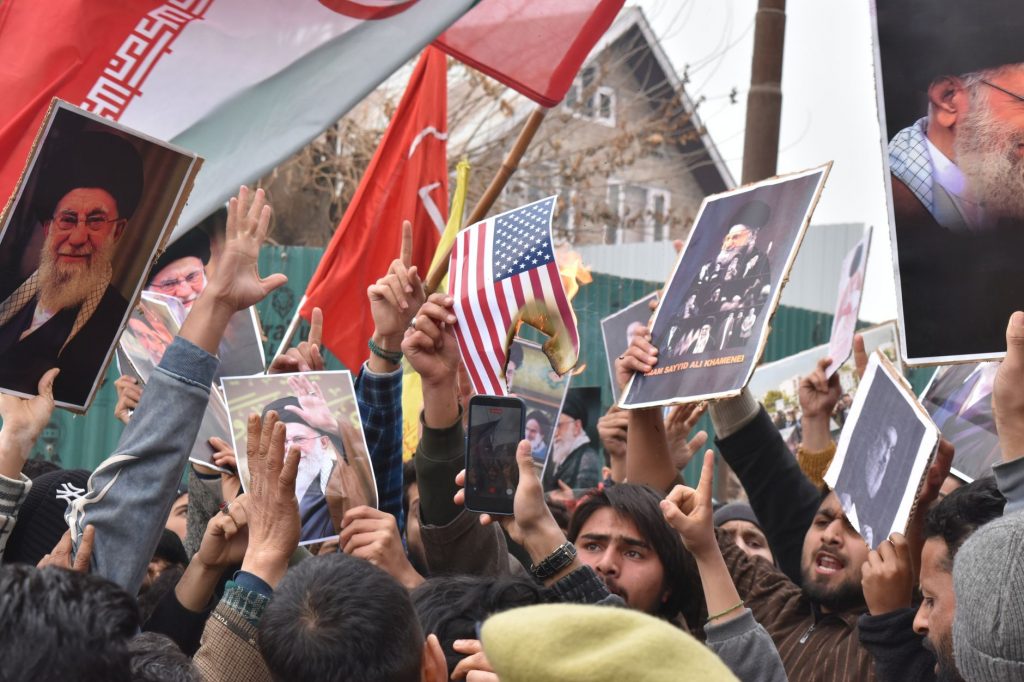
Imagine the tension you feel when a neighbour’s dispute spills over, affecting your own street. That’s the kind of unease gripping the Middle East right now, as escalating tensions between Iran and the United States threaten to pull in regional players.
Kuwait Airport Hit, Casualties Reported
In the latest flashpoint, Kuwait has reported that an Iranian attack struck its airport, resulting in at least one death and several injuries. This incident underscores the volatile nature of the current situation, with a direct impact felt in a neighbouring country. Details are still emerging, but the attack on civilian infrastructure raises serious concerns about the widening scope of the conflict.
Trump Signals Potential Breakthrough Amidst Escalation
Amidst these dangerous escalations, a surprising development has emerged from Washington. U.S. President Donald Trump, in a recent interview, suggested that Iran’s Supreme Leader is open to peace talks. Trump expressed a personal hope for a meeting with the Iranian leader, a statement that contrasts sharply with the recent military actions and accusations exchanged between the two nations. This potential diplomatic opening, however fragile, offers a glimmer of hope in an otherwise tense geopolitical landscape.
Regional Stability Hangs in the Balance
The implications for India are significant. As a major energy importer and a nation with strong ties to both Iran and the Gulf region, any major conflict in the Strait of Hormuz or surrounding areas could severely disrupt oil supplies and impact trade routes. The ongoing exchanges, coupled with the reported attack in Kuwait, highlight the urgent need for de-escalation and a return to diplomatic channels. The world is watching closely to see if this potential dialogue can indeed pave the way for peace, or if the cycle of aggression will continue.