
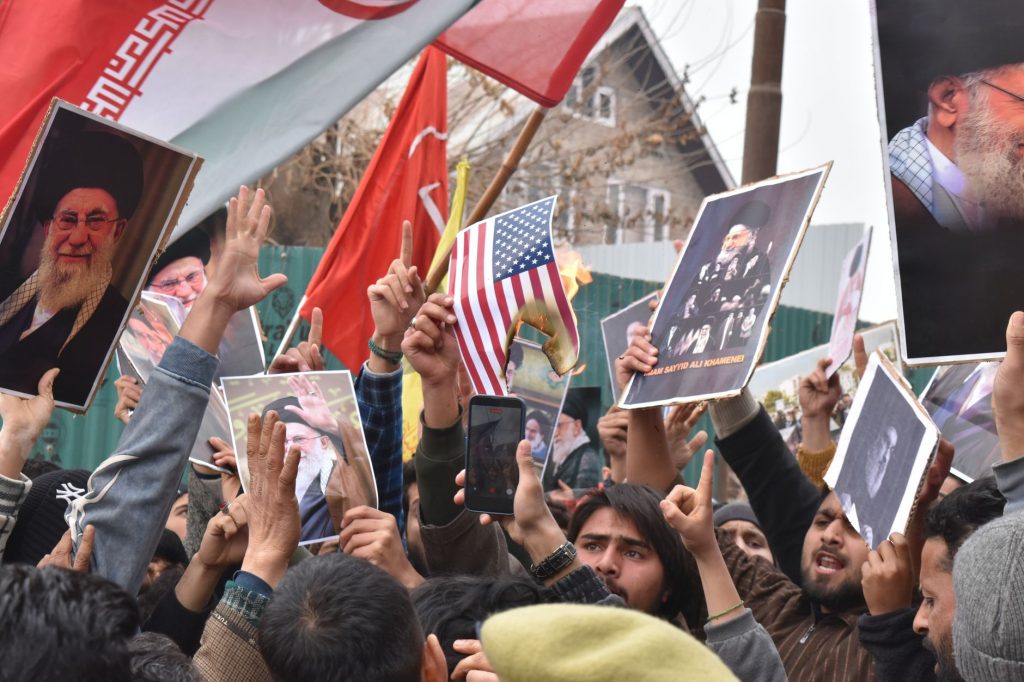
Imagine the tension in our neighbourhood, where a small dispute can quickly escalate, impacting everyone from local shopkeepers to families. Something similar, but on a far grander geopolitical scale, is playing out in the Middle East, with Iran and the United States trading sharp words amidst ongoing regional clashes. Tehran has now voiced its strong opinion, suggesting that Washington’s actions demonstrate a clear lack of genuine commitment to fostering stability in the war-torn region.
Tehran’s Accusations Against Washington
In a recent statement that has reverberated through international diplomatic circles, Iran’s leadership has pointed fingers at the United States, asserting that America’s approach is not conducive to peace. According to Iranian officials, the US’s military presence and its policies in the Middle East are, in fact, contributing to the persistent instability, rather than alleviating it. This is a significant accusation, coming from a nation that has itself been at the centre of many regional conflicts and tensions.
Regional Clashes and the US Role
The backdrop to these accusations is a series of ongoing clashes and proxy conflicts that have plagued the Middle East for years. Iran has consistently blamed the US for exacerbating these tensions, arguing that American support for certain regional actors and its military posture are counterproductive. The Iranian perspective is that for true stability to take root, a fundamental shift in US policy is required, one that prioritizes dialogue and de-escalation over military intervention and unwavering alliances.
Expert Analysis: A Matter of Trust and Strategy
Dr. Anya Sharma, a geopolitical analyst specializing in West Asian affairs, notes that Iran’s pronouncements are a reflection of a deep-seated distrust of US intentions in the region. “From Iran’s viewpoint, the US’s strategy has often been perceived as one that seeks to contain or undermine its influence, rather than genuinely promote an inclusive regional security framework,” she explains. “The current rhetoric highlights this ongoing strategic divergence, where Iran believes the US prioritizes its own interests and those of its allies, often at the expense of broader regional stability and a lasting peace.” This makes any path towards de-escalation incredibly complex, requiring a willingness from all parties to acknowledge the other’s security concerns.
The implications of this diplomatic sparring are significant for global energy markets and international security. As long as these sharp exchanges continue, the risk of miscalculation and further escalation in the volatile Middle East remains a palpable concern for nations worldwide, including India, which has strong economic and strategic ties to the region.