
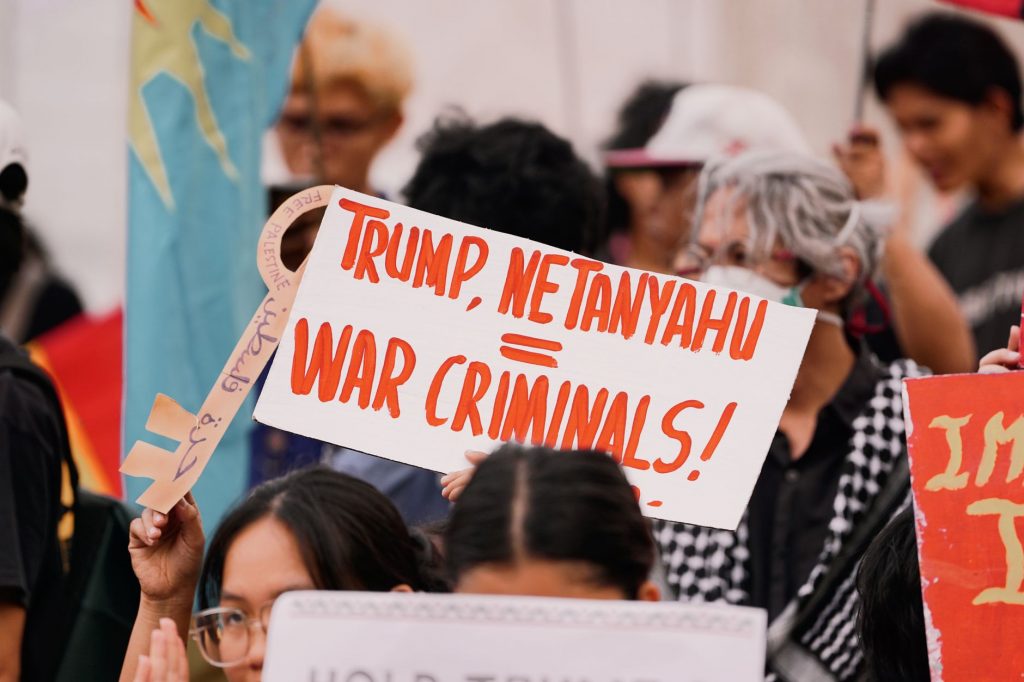
Prime Minister Benjamin Netanyahu is facing a strong backlash from his political rivals after reportedly calling off Israeli military actions against Iran following a conversation with US President Donald Trump. Critics are accusing the Israeli leader of ceding crucial decision-making power on national security to Washington, raising serious questions about Israel’s autonomy.
US Influence on Israeli Policy
The controversy erupted after reports suggested that Netanyahu, who has long advocated for a firm stance against Iran’s regional ambitions, decided to hold back on planned strikes. This alleged shift in policy, directly linked to a call with President Trump, has ignited a firestorm among opposition leaders. They argue that such a move signals a dangerous precedent, where Israel’s strategic choices are being dictated by the American administration, rather than solely by its own security interests and military assessments.
Domestic Political Fallout
The opposition has seized on this development, framing it as a significant blow to Israel’s sovereignty. They contend that Netanyahu’s willingness to apparently alter his military plans based on American pressure undermines the credibility of Israel’s deterrent capabilities and its ability to act independently in its own defense. This criticism is likely to intensify as the political landscape heats up, with opponents aiming to paint Netanyahu as beholden to foreign interests.
Future Implications for Regional Security
This incident raises crucial questions about the future of Israeli foreign policy and its relationship with the United States, especially concerning the volatile Middle East. The perception that Israel’s military actions are subject to US approval could embolden Iran and its allies. Furthermore, it might signal a shift in regional power dynamics, with implications for broader stability in the Middle East. The coming weeks will likely see further debate and scrutiny of Netanyahu’s leadership and Israel’s strategic independence.