
The Government of India has firmly rejected Nepal’s objection to the Kailash Mansarovar Yatra being conducted via the Lipulekh pass. This decision comes after Nepal raised concerns over the route, claiming it violates the existing border agreements between the two nations.
The issue began when Nepal objected to the new map released by India in November 2020, which showed the Lipulekh pass as part of the India-Nepal border. This move was seen as a significant shift in India’s stance on the border dispute, which has been ongoing for decades.
What’s at Stake?
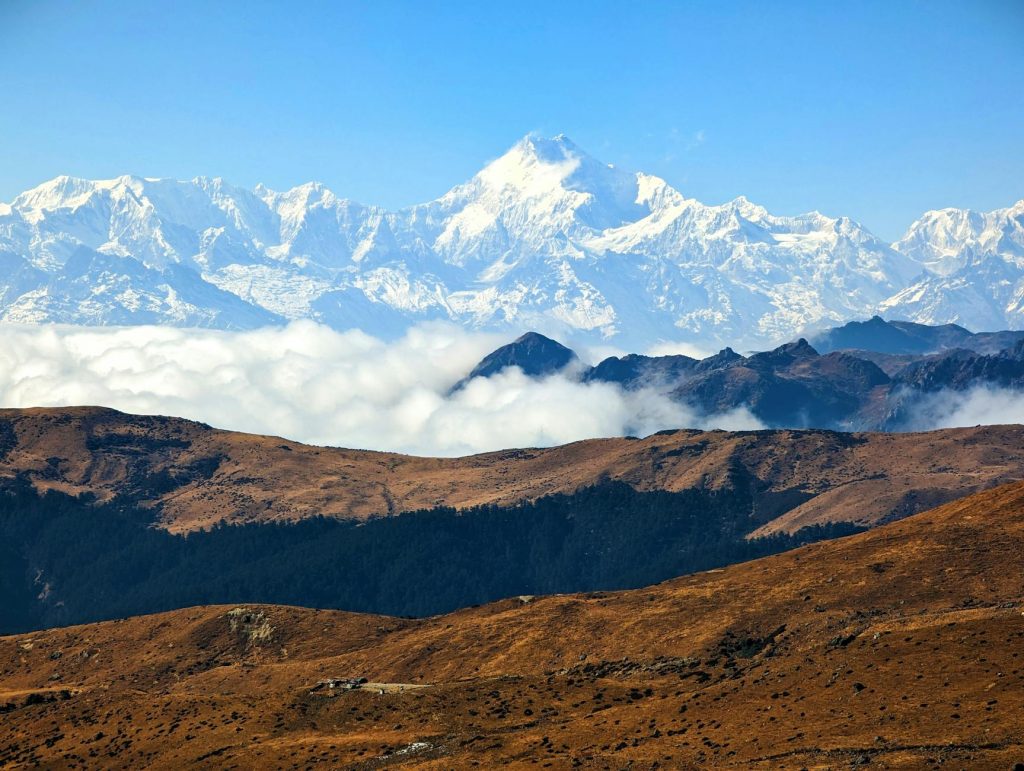
The Kailash Mansarovar Yatra is a sacred pilgrimage route that allows Indian and foreign devotees to visit the Kailash Mountain and the Mansarovar Lake in the Himalayas. The route passes through the Lipulekh pass, which is a strategic location that connects the Indian state of Uttarakhand to the Tibetan Autonomous Region of China.
The Lipulekh pass has been a point of contention between India and China for decades, with both nations claiming sovereignty over the region. However, the current dispute is with Nepal, which has been a key player in the region’s politics and diplomacy for centuries.
India’s Stance and Nepal’s Objection
India has maintained that the Lipulekh pass is a part of its territory and that the new map released in 2020 accurately reflects the border agreements between the two nations. The Government of India has also stated that the Kailash Mansarovar Yatra will continue to be conducted via the Lipulekh pass, as it is the most convenient and safest route for pilgrims.
Nepal, on the other hand, has argued that the new map released by India violates the existing border agreements between the two nations. Nepal has also claimed that the Lipulekh pass is part of its territory and that India’s move is an attempt to alter the status quo in the region.
What’s Next?
The rejection of Nepal’s objection is a significant development in the ongoing border dispute between the two nations. While India has maintained its stance on the Lipulekh pass, Nepal is likely to continue to press its claims over the region.
The Kailash Mansarovar Yatra is set to resume in the coming months, with thousands of devotees expected to embark on the pilgrimage via the Lipulekh pass. The Indian government has promised to ensure the safety and security of pilgrims, despite the ongoing border dispute with Nepal.
The rejection of Nepal’s objection is also likely to have implications for the broader India-Nepal relationship. The two nations have been working to strengthen their diplomatic ties in recent years, but the border dispute has the potential to strain relations between the two nations.
As the situation continues to unfold, it remains to be seen how Nepal will respond to India’s rejection of its objection. One thing is certain, however: the Lipulekh pass remains a sensitive and contentious issue in the region, with far-reaching implications for India-Nepal relations.