
Imagine walking into a crowded market in Delhi, surrounded by vendors selling everything from fresh produce to electronics. You see a new ‘gadget’ that catches your eye, but how sure are you that it’s safe to use? The same concern applies to the world of technology, where millions of Indians rely on imported products for their daily lives. The United States government has recently announced a critical decision that will impact the global tech landscape.
American officials have decided not to blacklist China’s DeepSeek, a technology company that has been at the centre of a security controversy. However, the US government has flagged 100 Chinese firms as potential security risks, citing concerns about their ties to the Chinese military. This move has sent shockwaves across the globe, with many experts weighing in on the implications.
Why is China’s DeepSeek in the spotlight?
DeepSeek is a relatively new company that has been making waves in the tech world with its cutting-edge technology. However, the US government has raised concerns about the company’s ties to the Chinese military. According to reports, DeepSeek has been collaborating with Chinese military units on various projects, which has raised suspicions about its true intentions. The US government has been monitoring the company’s activities closely and has decided not to blacklist it for now, but has flagged 100 other Chinese firms as potential security risks.
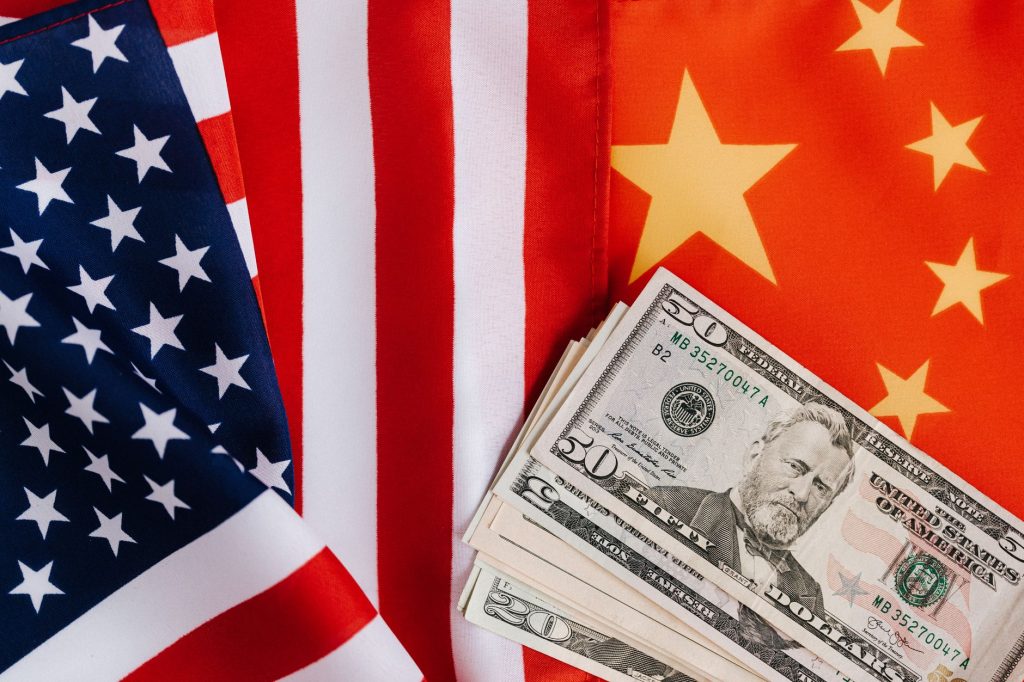
The move has significant implications for the global tech industry. With the US and China engaged in a heated trade war, any move that affects the tech sector is bound to have far-reaching consequences. The US government’s decision to flag 100 Chinese firms as potential security risks is seen as a major escalation of the trade tensions between the two countries.
Experts say that the US government’s decision is a reflection of its growing concerns about China’s military expansion. ‘The US government is trying to send a strong message to China that it will not tolerate any company that has ties to the Chinese military,’ said Dr. Rohan Desai, a leading expert on international relations. ‘This move is a warning shot across the bow, and it’s likely to have a significant impact on the global tech landscape.’
What does this mean for Indian tech companies?
For Indian tech companies, the US government’s decision is a mixed bag. On the one hand, it’s a reminder that the global tech industry is a highly competitive space, and companies need to be careful about their partnerships and collaborations. On the other hand, it’s also an opportunity for Indian companies to fill the gap left by Chinese firms that have been flagged as potential security risks.
‘Indian companies need to be proactive and adapt quickly to the changing landscape,’ said Sanjay Kumar, a leading entrepreneur in the Indian tech industry. ‘This is an opportunity for us to showcase our capabilities and compete with the best in the world.’
What happens next?
The US government’s decision is likely to have far-reaching consequences for the global tech industry. While the immediate impact may not be felt in India, it’s a reminder that the world of technology is highly interconnected, and any move in one country can have a ripple effect across the globe.
As the situation unfolds, one thing is clear: the global tech landscape is changing rapidly, and companies need to be agile and adaptable to stay ahead in the game. Whether you’re a tech enthusiast or a business leader, one thing is certain – the future of technology is exciting, and it’s going to be shaped by the decisions we make today.