
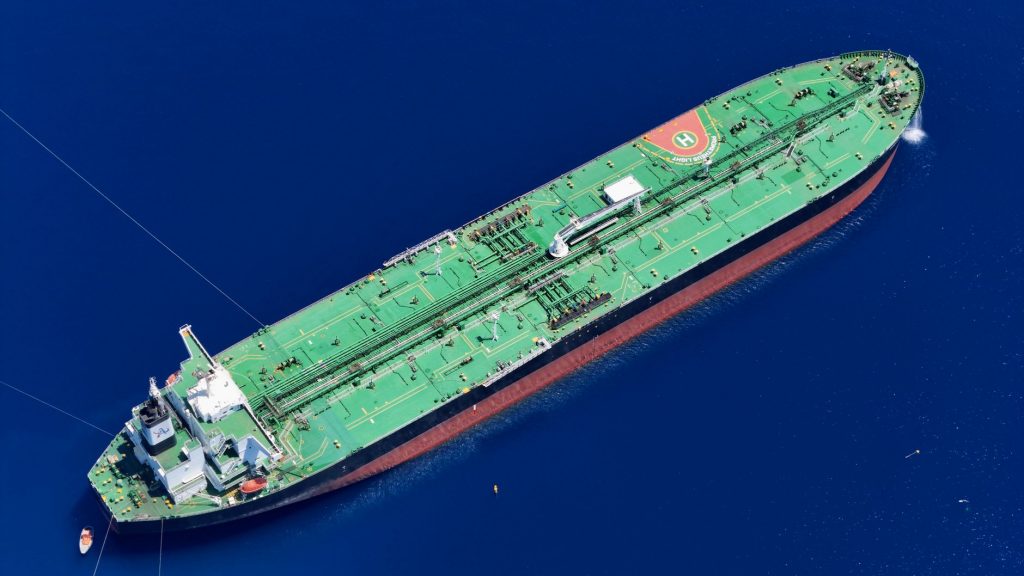
In a strong response to the recent attacks on oil tankers in the Gulf of Oman, India has squarely rejected international criticism, asserting that such incidents are ‘unacceptable’ and ‘must be condemned by all.’
On Thursday, External Affairs Minister S Jaishankar told the United Nations that India firmly believes in freedom of navigation in international waters and that the world has a responsibility to protect it.
India’s Diplomatic Stance
India’s robust statement comes at a time when international pressure is mounting on the country to take a tougher stance against Iran, which has been accused of orchestrating the attacks on the oil tankers. However, New Delhi is wary of antagonizing Tehran, which has traditionally been one of India’s key allies in the region.
The diplomatic stand-off has been further complicated by the comments of US President Donald Trump, who last week said that he believed that Iran was behind the tanker attacks. Trump’s assertion has put India in an awkward position, with many in the country asking why New Delhi is not taking a firmer stance against Tehran.
India’s Economic Interests
India’s reluctance to criticize Iran is largely driven by economic interests. The country has invested heavily in Iran’s Chabahar port, which is considered a strategic asset in the region. India is also keen to increase its oil imports from Iran, which is a major oil producer.
However, the attacks on the oil tankers have raised concerns about the safety of Indian shipping vessels in the region. India has a large fleet of merchant ships that operate in international waters, and any incident affecting their safety could have serious implications for the country’s economy.
What’s Next?
As the international community continues to grapple with the fallout from the tanker attacks, India is likely to face increasing pressure to take a tougher stance against Iran. However, New Delhi is unlikely to compromise on its economic and diplomatic interests in the region.
The situation is further complicated by the fact that the attacks on the oil tankers have been attributed to Iranian-backed militias, who have been accused of targeting oil tankers in the past. While India has condemned the attacks, it has stopped short of blaming Iran directly.
As the situation continues to unfold, India will need to walk a delicate tightrope to balance its economic and diplomatic interests in the region. The country’s diplomatic efforts will be closely watched by the international community, which is eager to see how India navigates this complex challenge.
In the meantime, India’s foreign minister has urged the international community to work together to ensure that freedom of navigation in international waters remains a fundamental principle of international law.
The comments by S Jaishankar come at a time when tensions in the Gulf region are running high. The attacks on the oil tankers have raised concerns about the safety of shipping vessels in the region, and have put pressure on the international community to take action to prevent such incidents in the future.
As the situation continues to unfold, India will need to navigate this complex challenge with caution and diplomacy. The country’s economic and diplomatic interests in the region are at stake, and any misstep could have serious implications for India’s relations with Iran and the international community.
The situation is a stark reminder of the complex geopolitics at play in the region, and the challenges that India faces in balancing its economic and diplomatic interests.