
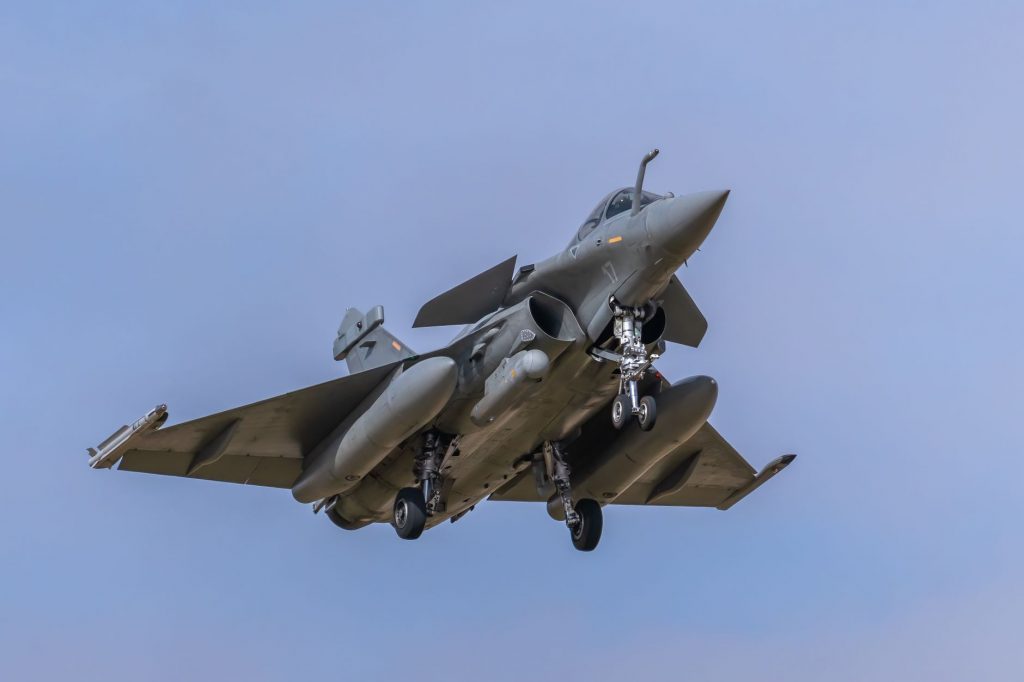
Are the ‘Make in India’ plans finally taking off? Recent developments suggest that France is ready to transfer its cutting-edge technology for the Rafale jets to India.
The move is being seen as a significant boost for the ‘Make in India’ initiative, which aims to promote domestic manufacturing and reduce dependence on foreign imports.
The Rafale jets are a key part of India’s military modernization plan, and the technology transfer will enable Indian companies to produce and maintain these advanced fighter aircraft.
According to sources, the French government has agreed to share the technology for the production of 114 Rafale jets, which will be built in India. This will not only create employment opportunities but also help India save millions of dollars in foreign exchange that would have been spent on importing the jets.
The technology transfer is expected to benefit Indian companies such as Hindustan Aeronautics Limited (HAL) and private sector players like Adani Group and Reliance Defence. These companies will be able to produce and maintain the Rafale jets, reducing India’s dependence on foreign suppliers.
What Does This Mean for the ‘Make in India’ Initiative?
The technology transfer is a significant step forward for the ‘Make in India’ initiative, which has been facing challenges in recent years. The move demonstrates the commitment of the French government to support India’s efforts to become a major manufacturing hub.
The success of the Rafale project will not only create employment opportunities but also help India save precious foreign exchange. It will also boost India’s defense capabilities and enhance its security.
However, experts point out that the technology transfer is just the first step, and the real challenge lies in the implementation. Indian companies will need to invest heavily in infrastructure and training to produce and maintain the Rafale jets.
Despite the challenges, the technology transfer is a significant milestone for the ‘Make in India’ initiative. It demonstrates the potential of public-private partnerships and the commitment of the French government to support India’s growth.
Why Is This a Big Deal for India?
The technology transfer is a big deal for India because it marks a significant shift in the country’s defense policy. For decades, India has been importing military hardware from foreign countries, but the Rafale project is different.
For the first time, India will be producing and maintaining a major military aircraft indigenously. This will not only save millions of dollars in foreign exchange but also reduce India’s dependence on foreign suppliers.
The success of the Rafale project will also boost India’s defense capabilities and enhance its security. It will demonstrate India’s ability to produce and maintain advanced military hardware, which will be a major confidence booster for the country’s defense establishment.
Moreover, the technology transfer will create thousands of jobs in the defense sector, which will have a positive impact on the economy. It will also help India develop a robust defense manufacturing ecosystem, which will be a major step towards achieving self-reliance in defense production.
What Happens Next?
The next step is for Indian companies to invest heavily in infrastructure and training to produce and maintain the Rafale jets. This will require significant investment in technology and human resources.
The Indian government will also need to create a favorable business environment for private sector players to participate in the defense manufacturing sector. This will require simplifying regulations and providing tax incentives to encourage investment in the sector.
Finally, the Indian defense establishment will need to work closely with private sector players to ensure that the Rafale project is implemented successfully. This will require a high level of coordination and cooperation between the government, industry, and the armed forces.
The success of the Rafale project will depend on the ability of Indian companies to produce and maintain the jets to international standards. It will also depend on the willingness of the Indian government to create a favorable business environment and provide necessary support to private sector players.
If the Rafale project is successful, it will mark a major milestone for the ‘Make in India’ initiative and demonstrate India’s ability to produce and maintain advanced military hardware. It will also boost India’s defense capabilities and enhance its security, which will be a major confidence booster for the country’s defense establishment.