
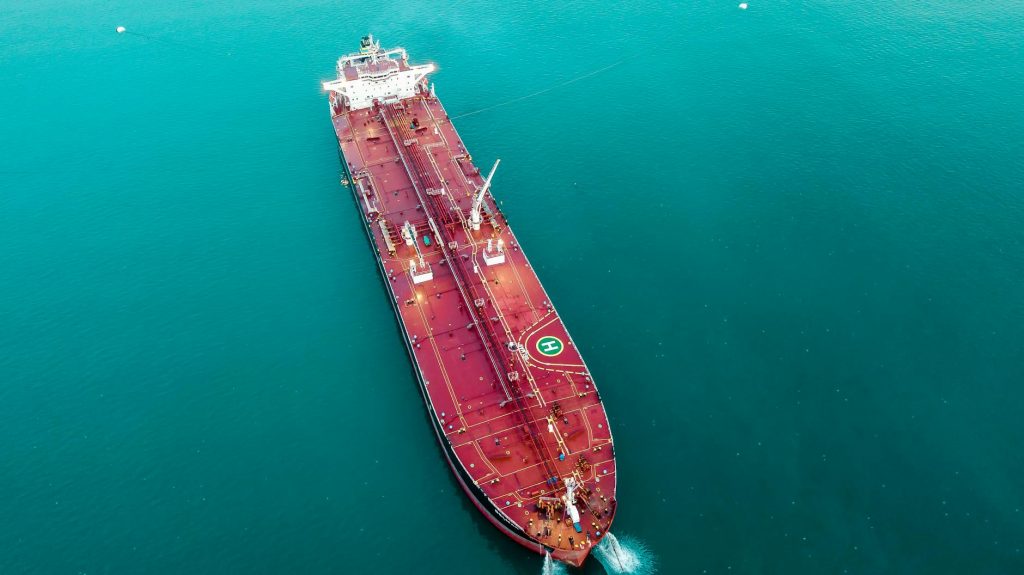
An Iranian naval vessel pulled into Kochi port on Wednesday, marking a significant diplomatic moment as tensions between Iran, Israel, and the United States remain high in the Middle East.
The IRIS Lavan, a support and supply ship of the Iranian Navy, arrived in Kerala’s bustling port city. The docking is part of Iran’s regular naval operations and goodwill visits across friendly nations, but its timing has caught international attention.
Why This Matters Right Now
The arrival comes as Iran and Israel remain locked in escalating confrontations, with the US actively involved in the region. By visiting Indian ports, Iran signals its commitment to strengthening ties with major global partners beyond its immediate neighborhood.
India maintains a careful diplomatic balance in the Middle East. New Delhi has long-standing energy and trade relationships with Iran, while also managing crucial ties with the US and Israel. This visit reflects India’s independent foreign policy approach.
The docking doesn’t represent India taking sides in the conflict. Rather, it’s a routine military exchange between two nations with established diplomatic relations. India has historically welcomed naval ships from various countries, including Western nations.
What Happens Next
The Iranian vessel is expected to stay briefly in Kochi before continuing its journey. Such port calls typically involve crew interactions, supplies replenishment, and ceremonial exchanges between navies.
The visit underscores India’s broader strategy of maintaining stable relationships across geopolitical divides. As tensions simmer in the Middle East, countries like India must navigate competing interests carefully.
For Kerala’s port operations, this represents normal maritime activity. Kochi has long served as a hub for international naval traffic, hosting ships from dozens of nations annually.
The incident also highlights how global conflicts ripple through trade routes and diplomatic channels. Even as one region experiences conflict, commerce and international relationships continue through established ports and protocols.
Observers will watch closely how this visit plays out diplomatically. In today’s multipolar world, seemingly routine port calls carry symbolic weight. They reflect shifting alliances and the complex dance nations perform to balance competing interests.
For now, the focus remains on the warship’s operational needs and standard naval protocols. Whether this visit sparks broader diplomatic conversations remains to be seen in the coming weeks.