
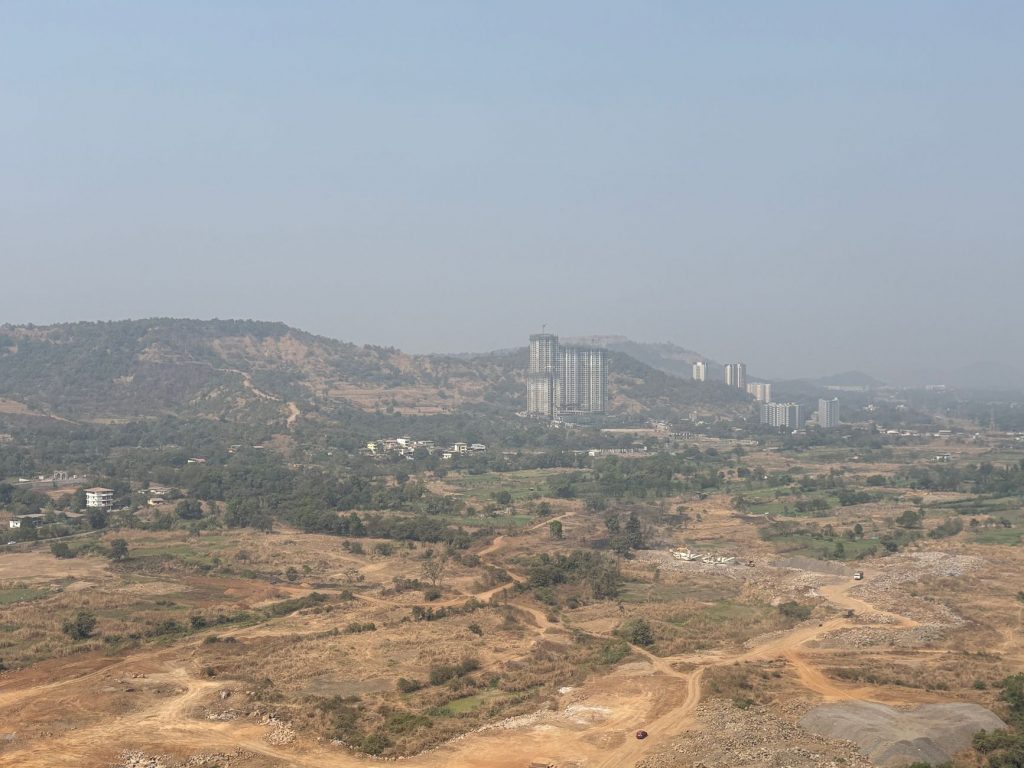
Have you ever wondered how many land disputes are plaguing our country? Well, a recent report reveals that India is home to over a thousand active land conflicts, leaving millions of people in a state of uncertainty.
According to the report, these land disputes affect approximately 14.2 crore people across the country. This staggering number highlights the complexity of land ownership and the numerous issues surrounding it.
What are the root causes of land disputes in India?
Land disputes in India are often rooted in historical and cultural factors. In many cases, land ownership is tied to family lineage and social status, leading to disputes over rightful ownership. Additionally, the lack of clear land records and inadequate legislation have contributed to the problem. In some areas, land has been taken over by powerful individuals or corporations, leaving local communities without access to their ancestral land.
The issue is further exacerbated by the country’s rapid urbanization and economic growth. As land becomes scarcer, the value of it increases, leading to more disputes over ownership. Furthermore, the government’s efforts to acquire land for infrastructure projects have also sparked widespread protests and conflicts.
One of the most significant challenges in resolving land disputes is the lack of a unified land policy. Different states have their own laws and regulations regarding land ownership, making it difficult to implement a standardized solution. Moreover, the absence of a robust dispute resolution mechanism has led to a backlog of cases, further delaying the resolution of these disputes.
In recent years, there have been efforts to address the issue of land disputes. The government has introduced measures such as the Land Titling Act, which aims to provide secure land ownership to marginalized communities. Additionally, some states have implemented alternative dispute resolution mechanisms, such as mediation and arbitration, to resolve land disputes more efficiently.
However, much work remains to be done to address the issue of land disputes in India. It is essential that the government and other stakeholders work together to create a more transparent and inclusive land policy. By doing so, we can ensure that the rights of all individuals, including those affected by land disputes, are protected and respected.
What’s at stake?
The consequences of not addressing land disputes in India are far-reaching. If left unresolved, these disputes can lead to social unrest, economic instability, and even violence. Furthermore, the lack of clear land ownership can hinder economic development and limit access to resources, particularly for marginalized communities.
Therefore, it is crucial that we prioritize the resolution of land disputes in India. By doing so, we can create a more just and equitable society, where everyone has access to their rightful land and resources. The government, civil society, and individuals must work together to address this complex issue and find lasting solutions.
Ultimately, the resolution of land disputes in India requires a collective effort. It demands a willingness to listen, to compromise, and to find common ground. By working together, we can build a brighter future for ourselves and future generations. The time to act is now.
What happens next?
The future of land disputes in India is uncertain, but one thing is clear – we cannot afford to ignore this issue any longer. The government must take concrete steps to address the root causes of land disputes, including the creation of a unified land policy and the establishment of a robust dispute resolution mechanism.
Furthermore, civil society and individuals must continue to advocate for the rights of those affected by land disputes. By raising awareness and pushing for action, we can create a groundswell of support for the resolution of these disputes.
As we move forward, it is essential that we prioritize the needs of marginalized communities and ensure that their rights are protected and respected. By doing so, we can create a more just and equitable society, where everyone has access to their rightful land and resources. The journey ahead will be challenging, but with determination and perseverance, we can overcome the obstacles and build a brighter future for all.