
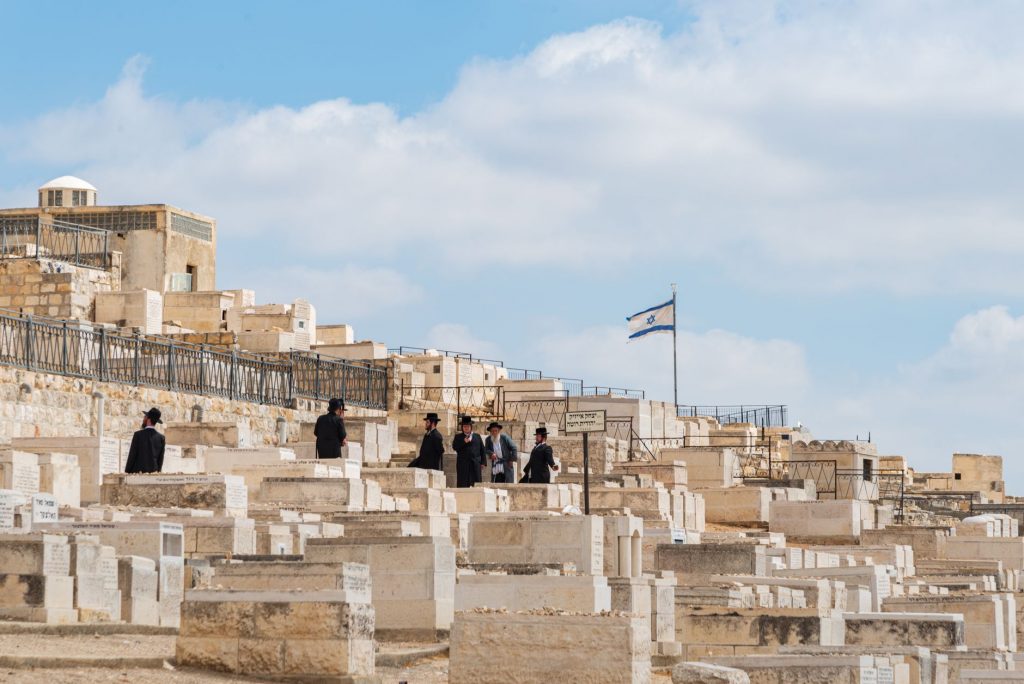
A fierce battle between Israeli forces and Hezbollah militants has left the Middle East on high alert, casting a shadow over a long-awaited peace deal.
The conflict erupted in the early hours of the morning, with reports of intense gunfire and artillery exchanges along the Israeli-Lebanese border.
Israel Launches Airstrikes on Hezbollah Targets
In response to the escalating violence, Israeli warplanes have launched a series of airstrikes on key Hezbollah positions, including rocket launch sites and command centers.
The airstrikes, which began just after midnight, have been met with a fierce response from Hezbollah, with the militant group firing a barrage of rockets into Israeli territory.
As the situation continues to deteriorate, concerns are growing about the potential impact on regional stability and the long-awaited peace deal between Israel and its Arab neighbours.
The Iran nuclear deal, which was negotiated by the United States and its allies, is seen as a major breakthrough in the region and has been hailed as a significant step towards peace and stability.
Strait of Hormuz Under Threat
However, with tensions between Israel and Hezbollah at an all-time high, the Strait of Hormuz, a critical waterway that connects the Persian Gulf to the Arabian Sea, is under threat.
The Strait of Hormuz is a vital shipping lane that carries a significant proportion of the world’s oil supply, and any disruption to the waterway could have far-reaching consequences for global energy markets.
As the situation continues to unfold, diplomats from around the world are scrambling to prevent a wider conflict from breaking out, with the United States, Iran, and other regional players all playing a key role in efforts to broker a peaceful resolution.
India’s Role in the Crisis
India, which has significant trade and energy ties with the Middle East, is closely monitoring the situation and is working with regional partners to prevent a wider conflict.
Indian diplomats are in close touch with their counterparts in the United States, Iran, and other regional players, and are working to ensure that any resolution to the crisis is in line with India’s interests.
As the situation continues to unfold, India’s foreign ministry has issued a statement urging calm and restraint, and calling on all parties to work towards a peaceful resolution.
With the situation in the Middle East at a critical juncture, it remains to be seen how events will unfold, but one thing is clear: the world is watching with bated breath as the region teeters on the brink of a wider conflict.