
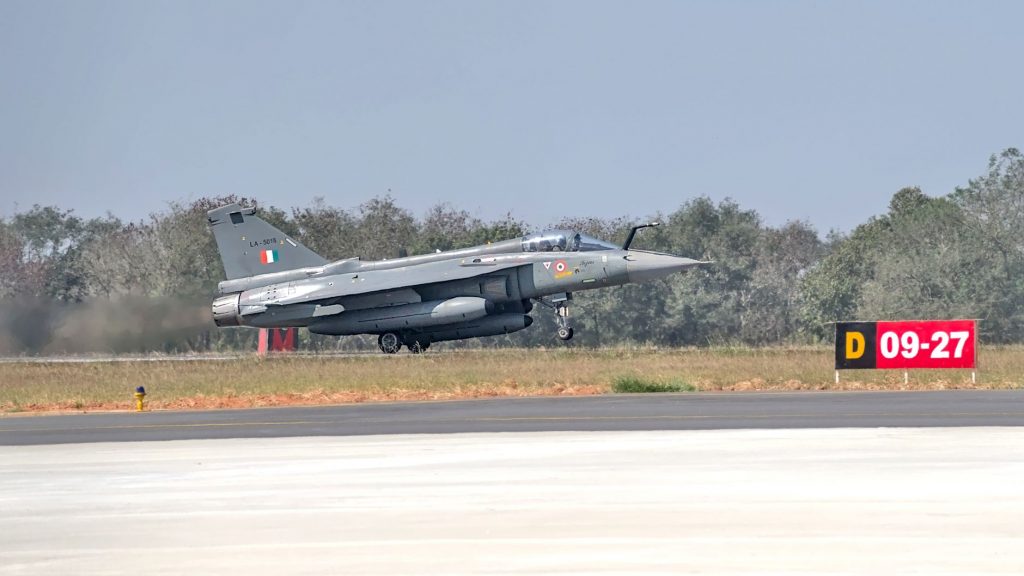
India has made tremendous strides in achieving self-reliance in the defence sector, Defence Minister Rajnath Singh proudly declared at a recent event. This achievement is a testament to the nation’s growing capabilities in designing, developing, and manufacturing cutting-edge military equipment. The Defence Minister’s statement has sent a strong message to the world that India is no longer dependent on foreign nations for its defence needs.
Beneath the surface, this development is the result of several years of hard work and dedication by the Indian defence establishment. The government has been actively promoting ‘Make in India’ initiatives to encourage domestic industries to produce defence equipment. As a result, several Indian companies have made significant investments in research and development, infrastructure, and human capital.
A Long-Term Vision
The defence minister’s statement is a reflection of the government’s long-term vision for India’s defence sector. The vision is to make India a major defence manufacturing hub, capable of producing a wide range of military equipment, from fighter jets to submarines. This vision is not only about reducing dependency on foreign nations but also about creating new job opportunities and stimulating economic growth.
India’s growing self-reliance in the defence sector has several implications for the nation. Firstly, it reduces the country’s vulnerability to external factors, such as economic sanctions or supply chain disruptions. Secondly, it creates new opportunities for Indian industries to tap into the global defence market. Finally, it enhances India’s credibility as a major defence player and strengthens its position on the global stage.
Challenges Ahead
While India has made significant progress in achieving self-reliance in the defence sector, there are still several challenges ahead. One of the major challenges is the need to address the skills gap in the Indian defence industry. As the industry grows, there is a need for skilled workers who can design, develop, and manufacture complex defence equipment. The government has taken several initiatives to address this challenge, including setting up new defence universities and training institutions.
Another challenge is the need to balance the requirement for self-reliance with the need to maintain interoperability with international partners. As India increases its defence procurement from domestic sources, there is a need to ensure that the equipment is compatible with international standards and can be easily integrated with equipment from other nations. This requires close cooperation with international partners, including the United States, Russia, and France.
In conclusion, India’s growing self-reliance in the defence sector is a significant achievement that has far-reaching implications for the nation. It reduces vulnerability, creates new opportunities, and enhances India’s credibility as a major defence player. While there are still several challenges ahead, the government’s long-term vision for the defence sector is clear. With continued investment in research and development, infrastructure, and human capital, India is well on its way to becoming a major defence manufacturing hub.
What’s Next?
The next step for India is to continue investing in its defence industry, particularly in research and development. The government has already taken several initiatives to promote innovation and entrepreneurship in the defence sector, including setting up new defence innovation hubs and incubators. Additionally, the government needs to work closely with international partners to ensure interoperability and maintain global standards.
As India continues to grow its defence industry, it is also essential to address the social and economic implications of this growth. This includes creating new job opportunities, stimulating economic growth, and ensuring that the benefits of this growth are shared equitably among all sections of society.