
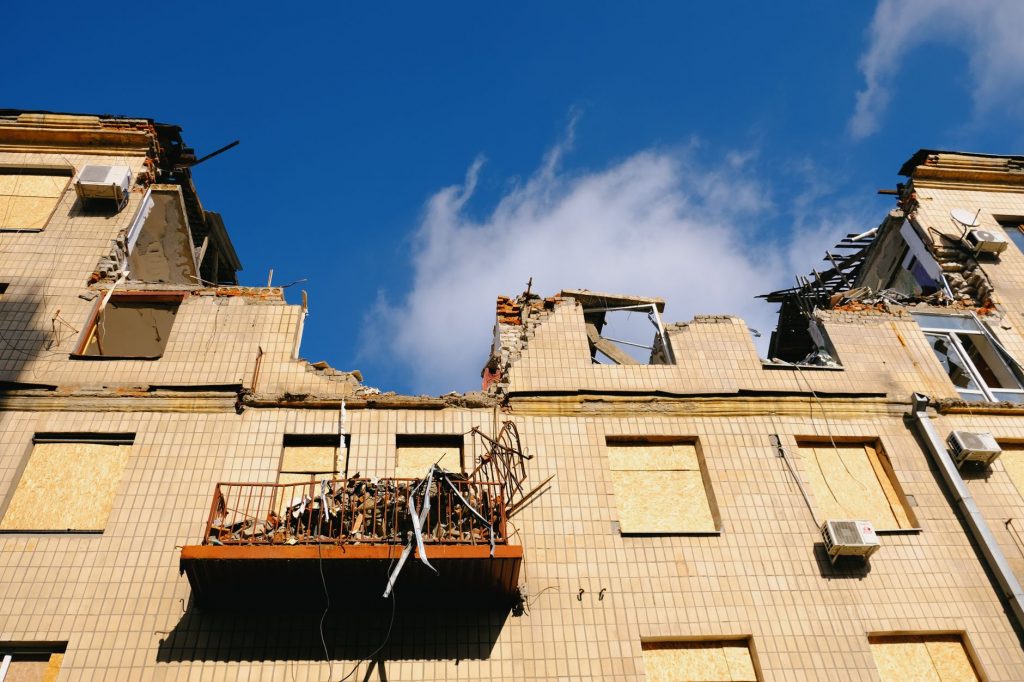
Will the city’s tragic PG building collapse serve as a wake-up call for dangerous structures? Following the devastating collapse of a paying guest accommodation in North Delhi’s Hudson Lane that claimed lives and injured several, authorities have now turned their attention to the immediate vicinity. The adjacent, visibly dilapidated building, deemed a significant risk, is slated for demolition today, a move aimed at preventing further catastrophe.
The incident, which sent shockwaves across the capital, has highlighted a persistent issue of unsafe constructions in densely populated areas. The ill-fated PG building, reportedly housing numerous students and workers, crumbled under circumstances still under investigation. However, the precarious state of neighbouring structures, particularly the one marked for demolition, has raised serious questions about building safety regulations and their enforcement in Delhi.
Preventing Further Tragedies
Sources indicate that the building slated for demolition was in a severe state of disrepair, with cracks and structural weaknesses evident for a considerable time. Residents in the area had reportedly voiced concerns about its safety, but official action appears to have been slow. The decision to demolish it now, in the shadow of the recent tragedy, underscores the urgent need for proactive measures rather than reactive responses to potential disasters. This demolition is seen as a critical step in ensuring the safety of the surrounding community and preventing any domino effect from further structural failures.
A City’s Reckoning with Safety
The collapse has ignited a crucial conversation about the condition of older buildings, particularly those converted into informal housing like PG accommodations. Many such structures across Delhi might be operating without proper safety certifications or structural integrity checks. The Delhi government and municipal corporations are now under immense pressure to conduct comprehensive surveys of buildings, especially in older, congested localities, and take decisive action against those found to be unsafe. This unfortunate event serves as a stark reminder that the safety of citizens must be paramount, and timely intervention can save lives.