
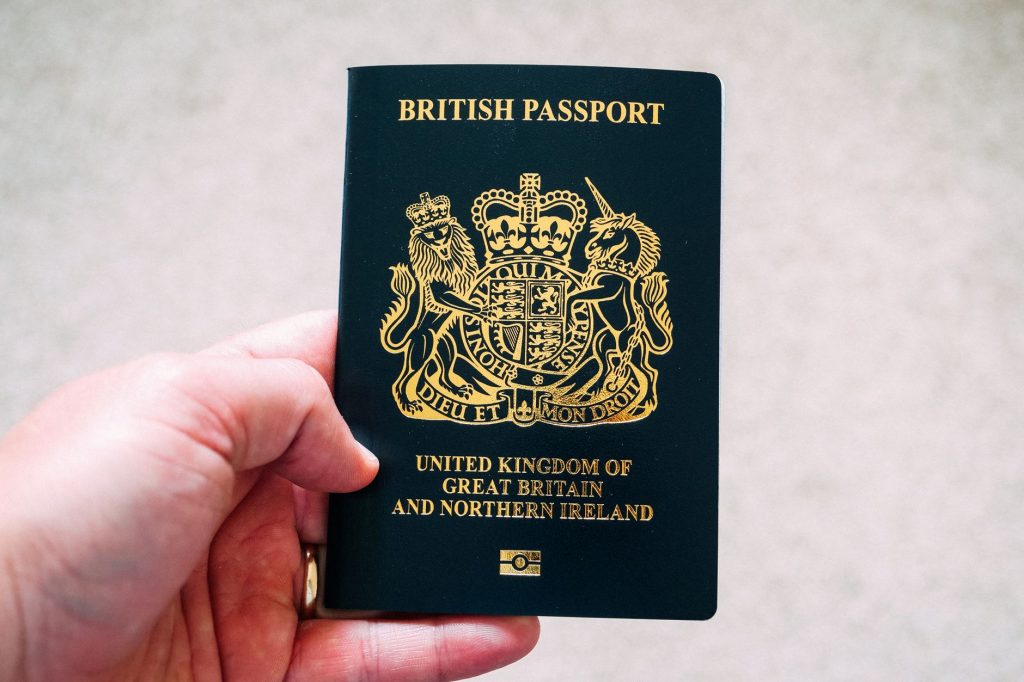
Imagine you’re on a flight back to India, eager to reunite with your family after a long time abroad. But, as you approach the immigration counter, you’re asked to produce your passport. Only to realize, you’ve misplaced it. Or, your passport is not recognized as a valid proof of citizenship. What do you do then?
This scenario might sound unlikely, but it’s not entirely far-fetched. In recent times, there have been instances where Indian citizens have faced trouble while traveling abroad or even within the country, because their passports were not accepted as a proof of citizenship.
A Passport is Not the Only Proof of Citizenship
According to the Indian government, a passport is not the only document that can establish an individual’s citizenship. In fact, the Citizenship Act, 1955, outlines several other documents that can be used as proof of citizenship. These include:
A valid Indian passport (but only if it’s not expired or revoked)
A valid Indian visa (if you’re a foreigner who has been granted a visa to stay in India)
Any government-issued ID, such as a driving license or a voter’s ID card
A birth certificate issued by a government hospital or a municipal authority
A school leaving certificate that mentions your date of birth and your address in India
A certificate issued by a competent authority, such as a district magistrate or a deputy commissioner, stating that you’re a citizen of India
Why is this Important?
So, why is this issue important? Well, for one, it can save you from a lot of trouble while traveling. If you have multiple documents that can prove your citizenship, you’re less likely to face any issues at the immigration counter. Secondly, it can also help prevent identity theft and fraud. If a passport is not the only proof of citizenship, it becomes harder for scammers to use fake documents to impersonate Indian citizens.
Dr. Rajiv Jain, an expert on citizenship laws, explains, ‘The Indian government has always emphasized that a passport is not the only document that can establish citizenship. In fact, the Citizenship Act, 1955, outlines several other documents that can be used as proof. However, in practice, passports have become the de facto proof of citizenship. This is why it’s essential for citizens to be aware of the other documents that can be used as proof.’
So, the next time you’re traveling abroad or within the country, make sure you have multiple documents that can prove your citizenship. It’s always better to be safe than sorry!