
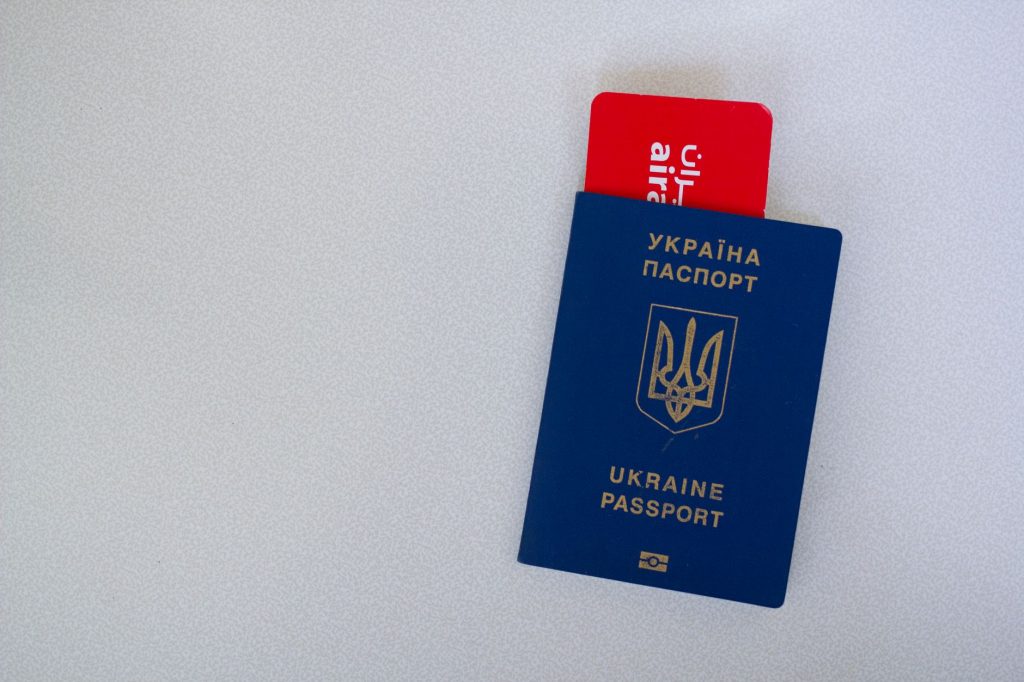
A recent clarification from the Ministry of External Affairs (MEA) has left many Indians wondering about the status of their citizenship. In a move aimed at dispelling misconceptions, the MEA has made it clear that a passport is not a proof of citizenship but rather a travel document.
According to official sources, a passport is issued to an individual based on their nationality, which is determined by their birth, descent, or naturalisation. In most cases, a passport is issued to an Indian citizen who has registered their birth with the authorities and obtained a birth certificate. However, this does not necessarily mean that the passport holder is a citizen of India.
What Constitutes Citizenship?
Citizenship is a status that confers certain rights and privileges on an individual, including the right to vote, own property, and live in the country without restrictions. In India, citizenship is governed by the Citizenship Act of 1955, which outlines the different categories of citizenship, including citizenship by birth, descent, registration, and naturalisation.
While a passport is a mandatory document for international travel, it is not a substitute for proof of citizenship. In fact, the MEA has clarified that a passport can be issued to an individual even if they are not a citizen of India. For instance, a foreigner who has obtained a work visa or a student visa can also obtain a passport.
The MEA’s clarification is aimed at preventing individuals from using their passports as a proof of citizenship, particularly in cases of passport-related disputes or issues. The move is also seen as a step towards increasing transparency and clarity in the process of passport issuance and citizenship verification.
What Does This Mean for You?
For many Indians, this clarification may come as a surprise. However, it is essential to understand that a passport is a separate document from proof of citizenship. If you are an Indian citizen, you will still need to provide additional documentation to prove your citizenship, such as a birth certificate, voter ID card, or a PAN card.
On the other hand, if you are a non-citizen who has obtained a passport, you should not assume that you are a citizen of India. In fact, the MEA has clarified that a passport is not a guarantee of citizenship, and individuals should not use it as a substitute for proof of citizenship.
In conclusion, the MEA’s clarification is a welcome move towards increasing transparency and clarity in the process of passport issuance and citizenship verification. By understanding the difference between a passport and proof of citizenship, Indians can avoid potential disputes and issues related to passport-related matters.
As the MEA continues to strengthen its processes and procedures, it is essential for citizens to be aware of the nuances of passport issuance and citizenship verification. By doing so, we can ensure that our rights and privileges as citizens are protected and respected.