
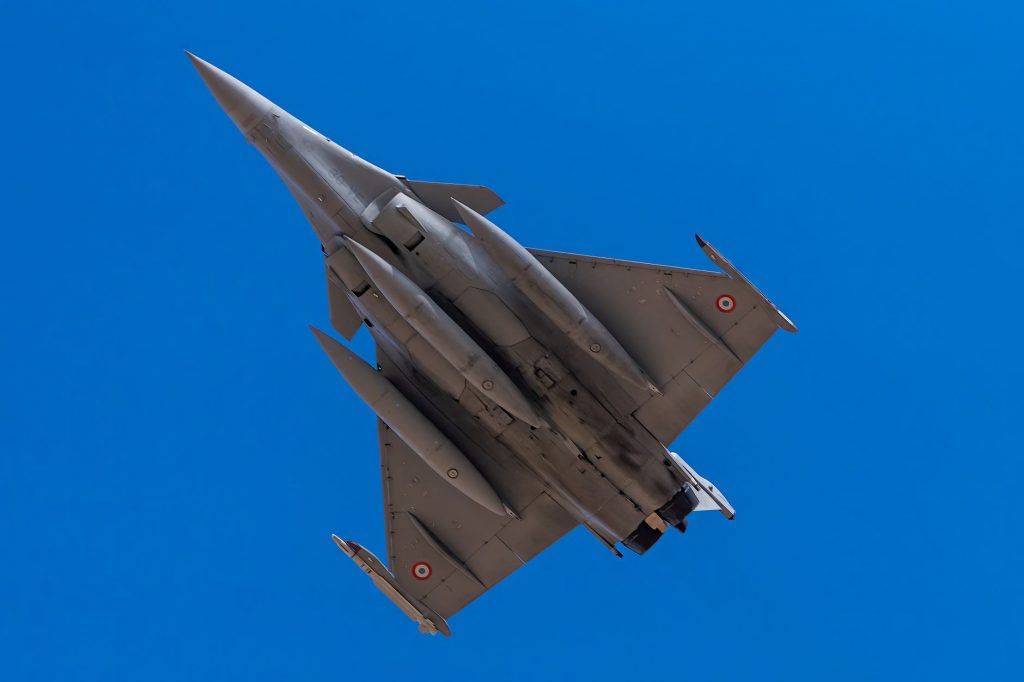
Recently, a storm erupted on social media platforms about India’s Rafale fighter jet fleet strength. The government has now responded to these claims, setting the record straight on the actual number of Rafale jets in service.
The controversy began with a series of posts and tweets that claimed India’s Rafale fleet was smaller than initially thought. These claims sparked a heated debate, with many questioning the government’s decision to purchase the multirole fighter jets.
Why Does the Rafale Matter?
The Rafale is a game-changing fighter jet that has significantly enhanced India’s air power capabilities. Designed to operate in a variety of roles, including air-to-air combat, air-to-ground strikes, and reconnaissance, the Rafale is a key component of India’s air defense strategy.
The Rafale’s advanced avionics, precision-guided munitions, and superior maneuverability make it a formidable opponent on the battlefield. With the Rafale, India’s air force can now take on a range of threats, from enemy fighter jets to ground-based air defenses.
However, the Rafale’s effectiveness is not just limited to its combat capabilities. The jet has also become a symbol of India’s growing military prowess and independence from foreign powers. The Rafale deal, signed in 2016, marked a significant shift in India’s defense procurement policy, allowing the government to bypass traditional procurement routes and negotiate a direct deal with the manufacturer.
What Led to the Social Media Frenzy?
The social media frenzy surrounding the Rafale fleet strength was fueled by a combination of misinformation, speculation, and conspiracy theories. Some users claimed that the government was hiding the true number of Rafale jets in service, while others alleged that the jets were not as effective as claimed.
However, a closer examination of the facts reveals that the controversy was largely based on misunderstandings and misinterpretations of official data. The government had indeed announced the induction of 36 Rafale jets, but this number only reflected the initial batch of aircraft delivered under the deal.
Subsequent deliveries and induction of additional aircraft have increased the overall number of Rafale jets in service, but these developments were not accurately reflected in the social media narrative.
What’s Next?
The government’s statement has put an end to the speculation surrounding the Rafale fleet strength. However, the controversy highlights the need for greater transparency and clarity in official communications.
The government must ensure that accurate information is disseminated to the public, and that social media platforms are not exploited to spread misinformation.
In the end, the Rafale controversy serves as a reminder of the importance of verifying facts and sources before sharing information on social media. By doing so, we can promote a more informed and responsible public discourse.
The Rafale deal is a significant milestone in India’s military modernization efforts, and its implications will be felt for years to come. As the country continues to build its air power capabilities, the Rafale will remain a key component of its air defense strategy.