
Will India’s rice farmers and exporters recover from this shipping crisis? That’s the question keeping many awake in Punjab and Haryana right now. The answer depends entirely on how quickly the Middle East situation stabilizes and shipping routes reopen.
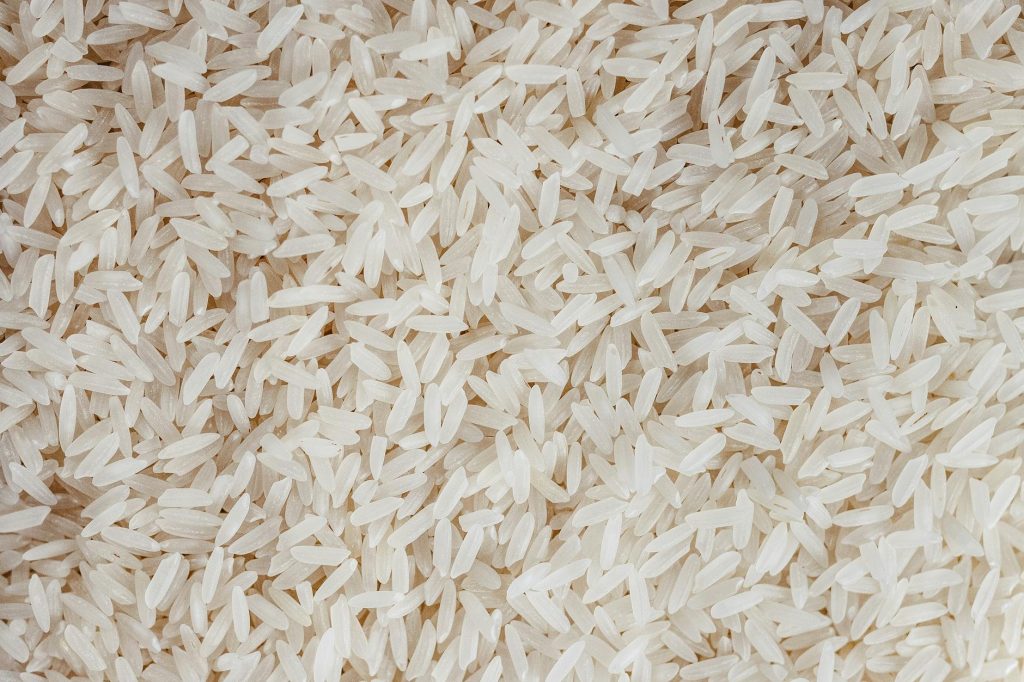
Around 1.4 lakh tonnes of basmati rice—enough to feed millions—sits stuck in warehouses and ports as the geopolitical tensions in the Middle East have disrupted shipping lanes and delayed deliveries. For the farming communities and export houses of Punjab and Haryana, this represents months of work and crores of rupees in potential losses.
Why This Matters for Your Rice Bowl
Basmati rice is India’s agricultural crown jewel. Punjab and Haryana together produce a massive chunk of India’s basmati exports, which typically flow to Middle Eastern countries, Europe, and North America. These regions depend on Indian basmati for their kitchens, and Indian farmers depend on these exports for their livelihoods.
When shipments get stuck, it’s not just a logistics problem. Farmers who harvested and sold to exporters months ago don’t get paid. Exporters who’ve already financed the harvest can’t recover their investment. The entire supply chain feels the squeeze.
The current crisis has created a perfect storm. Shipping companies are avoiding certain maritime routes, insurance costs have skyrocketed, and vessels that normally reach Middle Eastern ports in days now face unpredictable delays. Some shipments meant for November delivery are still nowhere near their destinations.
The Domino Effect on Farmers and Traders
What’s particularly worrying is the timing. The harvest season just wrapped up, and this is when farmers expect their payments. Delayed exports mean delayed payments, which affects their ability to repay loans or invest in next season’s crops.
Exporters, meanwhile, are sitting on inventory they can’t move. Their warehouses are full, their working capital is tied up, and they can’t source fresh stock even if prices are favorable. Some smaller traders are already talking about taking losses just to free up capital.
The uncertainty has also spooked the market. Basmati prices have become volatile as traders speculate about when normalcy will return. Some buyers are holding off on orders, waiting to see if prices will drop further. This creates a vicious cycle where demand weakens, pushing prices down even more.
Government agencies are monitoring the situation, but there’s only so much they can do when international shipping routes are disrupted by geopolitical factors beyond India’s control. Some industry bodies have asked for emergency credit lines and insurance support for affected traders.
The big question now is how long this disruption lasts. If stability returns to the region within weeks, most exporters can recover. But if this drags on, we could see real damage to India’s basmati reputation and market share in global markets where competitors are waiting to fill the void.