
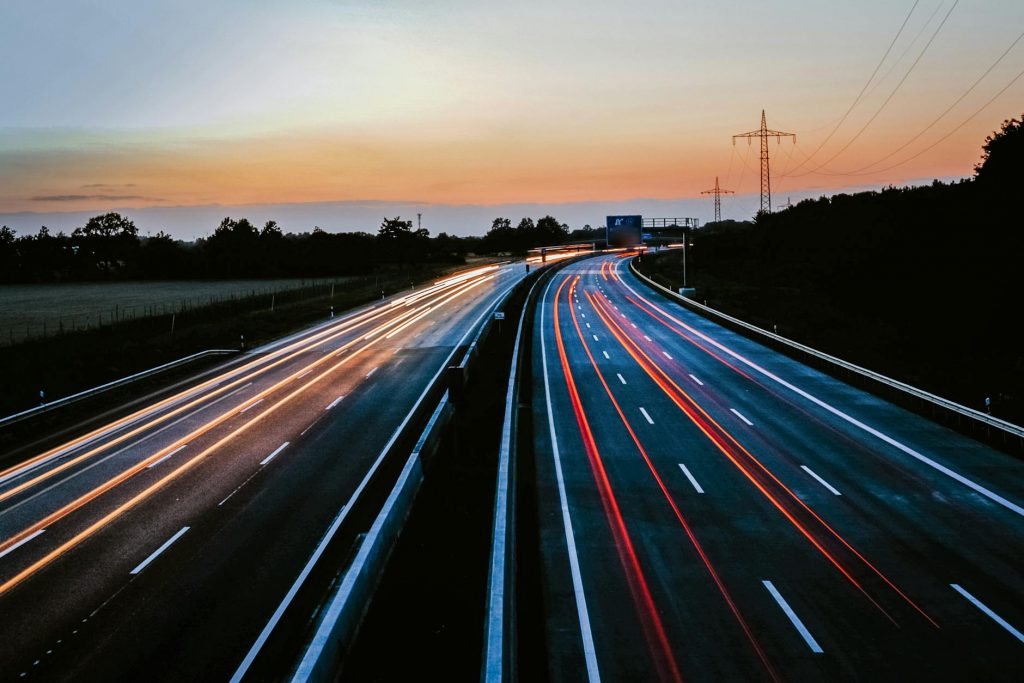
Can you actually drive an electric car from Mumbai to Pune without range anxiety? That question just got a real answer. Maharashtra has launched India’s first dedicated electric highway corridor between these two cities, marking a significant shift in how Indians think about EV travel on major routes.
The state government has installed charging infrastructure at regular intervals along the highway, designed specifically to support electric vehicles on this 150-plus-kilometer stretch. This isn’t just about a handful of charging points—it’s a systematic approach to making long-distance EV travel viable for everyday commuters and commercial vehicles alike.
Why This Matters Right Now
India’s automobile sector is at a crossroads. While electric cars have become more affordable, many Indians hesitate to buy them because they worry about finding charging stations during long journeys. The Mumbai-Pune corridor is one of the busiest stretches in the country, with thousands of people commuting daily for work. By solving the charging problem on this route, Maharashtra is essentially removing one of the biggest barriers to EV adoption.
The initiative also signals something important to other states: infrastructure investment in electric highways is achievable and necessary. If this works smoothly, expect similar projects to emerge on other major routes like Delhi-NCR highways or the Bangalore-Chennai corridor.
What Happens on the Ground
The charging stations are strategically placed at intervals that align with typical driving patterns and battery capacities of current electric vehicles. This means you won’t be stranded midway, and you’ll have time to grab a coffee while your car charges. Many of these stations feature fast-charging technology, so you’re looking at 20-30 minutes for a substantial charge rather than hours.
For commercial operators—delivery services, fleet companies, taxi operators—this infrastructure opens up new business possibilities. They can now run electric vehicles on premium routes without constantly worrying about battery depletion.
The highway also includes provisions for future expansion. As battery technology improves and more vehicles go electric, the infrastructure can scale up relatively easily. This forward-thinking approach separates this project from piecemeal EV initiatives we’ve seen before.
Real talk: this is still early days. The success of this corridor will depend on how reliable the charging network proves to be and how many EVs actually use it. But Maharashtra has essentially created a real-world testing ground for a model that could be replicated across India.
As more states watch this closely, the pressure builds for others to invest in similar infrastructure. Your next car purchase decision might actually depend on whether your state invests in highways like this one.