
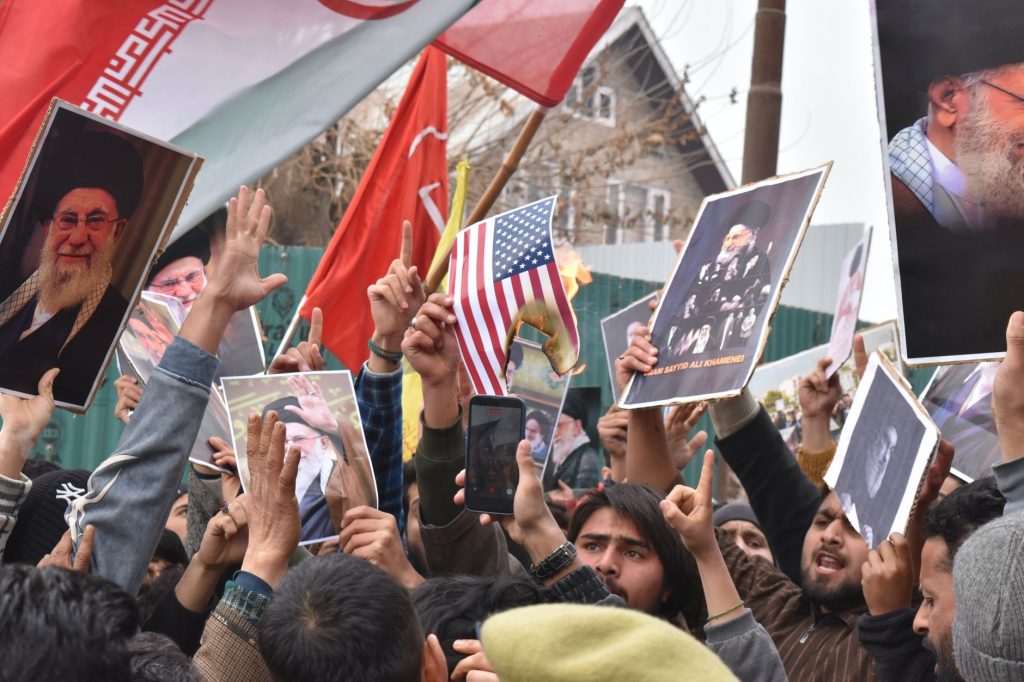
Get ready, because Iran’s biggest political change in years just happened, and it’s not what many expected. While the nation mourned its long-time Supreme Leader, Ayatollah Ali Khamenei, the real shocker is who has stepped into his very big shoes: President Ebrahim Raisi. This isn’t just a simple handover; Raisi, known for his hardline stance, now holds the ultimate power, and the world, including India, is watching closely to see how he’ll steer the country through its many challenges.
For decades, Ayatollah Khamenei was the unquestioned boss of Iran, guiding its foreign policy, its nuclear program, and its internal affairs with a firm hand. His passing marks the end of an era, and the transition to Raisi, who was already a powerful figure as president, means continuity rather than a dramatic shift in ideology. However, Raisi has a reputation for being even more conservative than Khamenei, which could mean a tougher approach to international relations and domestic freedoms. The big question is whether he will maintain the status quo or try to forge a new path, especially given the internal pressures and external threats Iran faces.
Raisi’s Big Test: Domestic and Foreign Woes
President Raisi inherits a nation grappling with significant problems. Economically, Iran has been hit hard by international sanctions, leading to rising prices and public discontent. Socially, there’s a growing demand for more freedoms, particularly among the youth, which has often led to protests. On the global stage, Iran’s nuclear ambitions and its complex relationship with countries like the United States and its neighbours remain major points of tension. Raisi will need to find a way to address these issues, balancing the demands of his conservative base with the needs of a restive population and the complexities of international diplomacy.
What This Means for India
For us in India, this leadership change in Iran is more than just a headline. Iran is a crucial player in regional stability, and its policies directly impact our energy security, trade routes, and the safety of our citizens in the Middle East. With Raisi at the helm, we can expect Iran to continue its assertive foreign policy, which might affect the ongoing peace efforts in Afghanistan and the broader dynamics in the Persian Gulf. India has always maintained good relations with Iran, and our government will be looking to understand Raisi’s immediate priorities to ensure our own strategic interests are protected and our economic ties remain strong. The next few months will be critical in shaping this new chapter for Iran and its relationships with the world.