
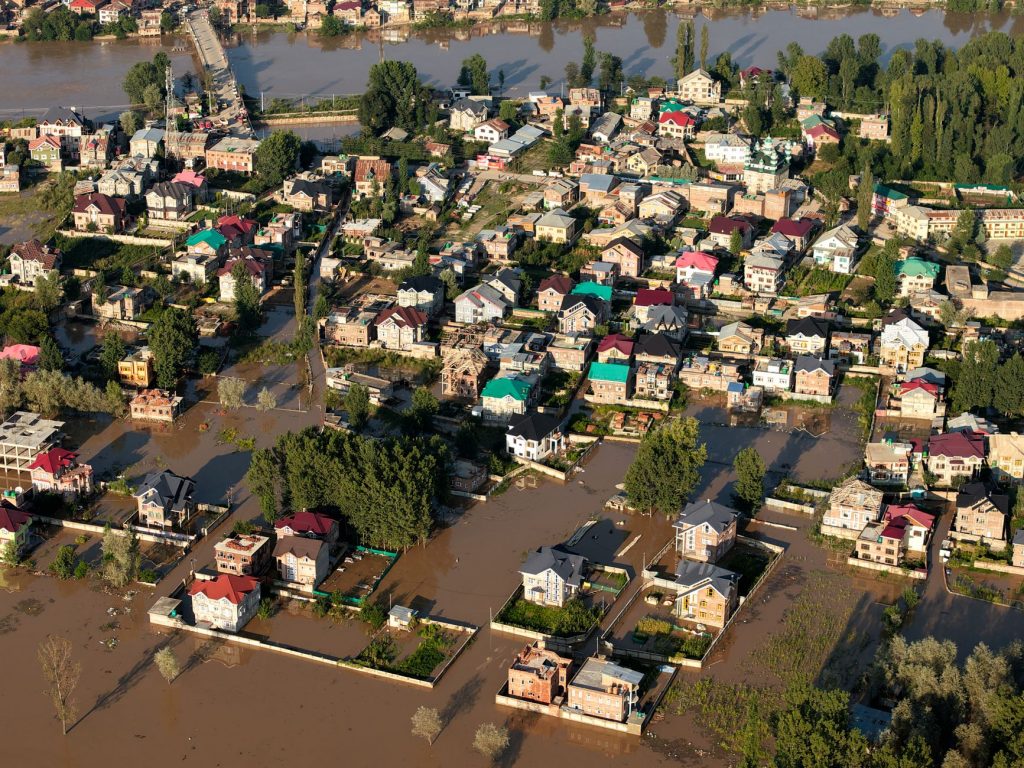
Catastrophic Weather Events Sweep Across North
A devastating series of landslides and floods has ravaged northern India, leaving a trail of destruction in its wake. Landslides have brought widespread devastation to Himachal Pradesh and Uttarakhand, two states in the Himalayan region. The sheer power of nature has claimed lives and left thousands stranded, with rescue efforts ongoing to locate those trapped under debris. The situation remains grim, with reports indicating that scores of villages have been buried under tonnes of mud and rubble.
The Indian Meteorological Department has warned of heavy rainfall in the region, which has only exacerbated the situation. In Himachal Pradesh, the state government has deployed its disaster management team to assist in the rescue efforts. Meanwhile, in Uttarakhand, the National Disaster Response Force (NDRF) has been deployed to help evacuate stranded residents. The state’s fragile ecosystem, already under stress due to climate change, has been further battered by these catastrophic events.
Floods Wreak Havoc in Eastern States
On the other side of the country, the states of Mizoram and Tripura are grappling with severe floods. Heavy rainfall in the region has caused the rivers to swell, inundating villages and towns. The impact has been particularly severe in Mizoram, where the state’s capital, Aizawl, has been partially submerged. Emergency services are working around the clock to provide aid to those affected, with many families forced to flee their homes in search of safer ground.
State authorities in Tripura have issued warnings to residents living in low-lying areas, urging them to relocate to higher ground. The state’s water resources department has been working to clear blockages in rivers and canals to prevent further flooding. However, the situation remains precarious, with many communities struggling to access basic necessities like food and shelter.
What’s Next for Affected Areas?
As the situation continues to unfold, there are concerns about the long-term impact of these events. The loss of property, livestock, and infrastructure is significant, and the economic burden will be felt for months to come. In the short term, the focus is on providing immediate relief to those affected, including food, shelter, and medical aid. The Indian government has announced a relief package for the affected states, with a focus on rebuilding and rehabilitation efforts.
The government has also vowed to take measures to prevent such disasters in the future, including strengthening infrastructure and improving early warning systems. However, experts warn that the impact of climate change will only continue to exacerbate such events, making it essential for the government to take proactive steps to mitigate the effects. As the country comes to terms with the scale of the devastation, there is a growing recognition of the need for a more comprehensive approach to disaster management and climate resilience.
In the aftermath of these catastrophic events, one thing is clear: India must learn to adapt to the changing climate and take proactive measures to prevent such disasters from occurring in the future.
As the nation mourns the loss of life and property, it is also a reminder of the importance of community resilience and the need for collective action to build a more sustainable future.
The government must now work closely with affected communities, experts, and other stakeholders to develop effective strategies for disaster management and climate change adaptation. Only through a concerted effort can India hope to mitigate the impact of such events and build a more resilient future for its citizens.