
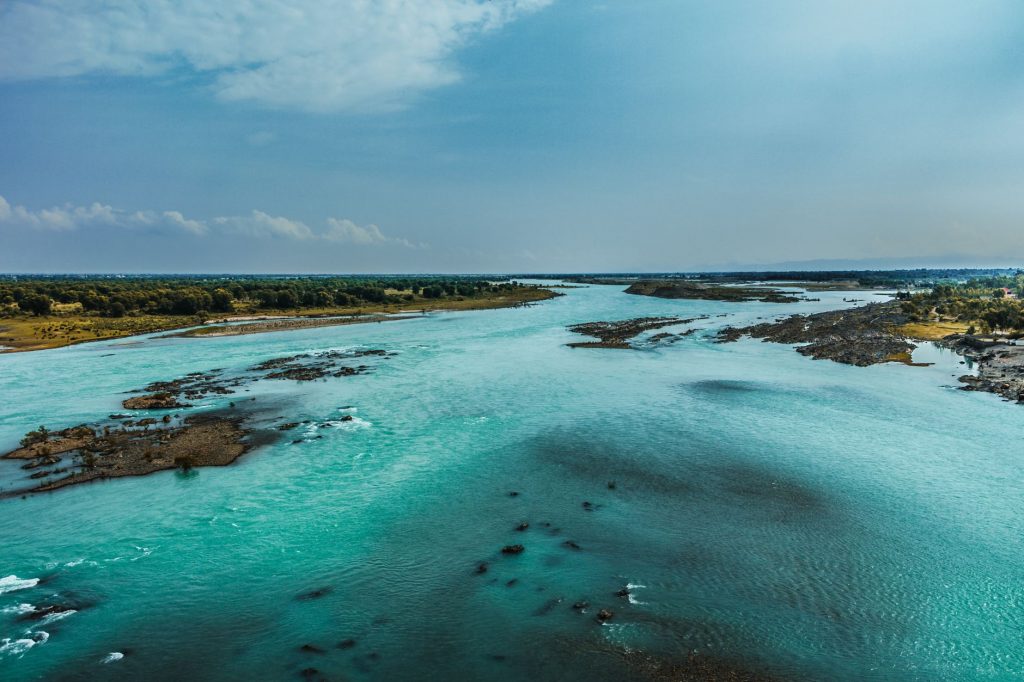
India and Pakistan have been locked in a long-standing dispute over the Indus Waters Treaty, a landmark agreement that governs the sharing of the Indus River’s waters. The treaty, signed in 1960, was meant to bring peace and stability to the region, but it has instead become a contentious issue between the two nations.
The treaty was born out of the need to resolve the Kashmir conflict, which had been a major point of contention between India and Pakistan since independence in 1947. The Indus River, which flows through both countries, was a vital source of water for agriculture and industry, and the treaty was designed to ensure that the waters were shared fairly and efficiently.
A Delicate Balance of Power
Under the treaty, India was allocated 80% of the Indus River’s waters, while Pakistan was allocated 20%. The treaty also established a mechanism for the two countries to resolve disputes over the sharing of the waters, which included the creation of a Permanent Indus Commission (PIC) to oversee the implementation of the treaty.
However, the treaty has been repeatedly tested by the two countries over the years. In 2010, India’s construction of the Baglihar Dam on the Chenab River, a tributary of the Indus, sparked tensions with Pakistan, which accused India of violating the treaty. India countered that the dam was designed to meet its own water needs and that it was in compliance with the treaty.
More recently, India’s move to divert waters from the Ravi-Beas rivers, another tributary of the Indus, has sparked concerns in Pakistan that India is attempting to undermine the treaty. Pakistan has accused India of violating the treaty by not providing adequate notice of its plans to divert the waters, and has threatened to take the matter to the International Court of Arbitration.
A Flicker of Hope?
Despite the ongoing tensions, there are signs that India and Pakistan may be willing to engage in dialogue to resolve their differences over the Indus Waters Treaty. In 2019, the two countries agreed to hold talks on the treaty, which was seen as a positive development by many experts.
However, the talks stalled due to disagreements over the agenda and the format of the discussions. Since then, there has been little progress on the issue, and many experts believe that the treaty is on shaky ground.
Despite the challenges, many experts believe that the Indus Waters Treaty remains a crucial mechanism for managing the shared waters of the Indus River. The treaty has helped to prevent conflicts over the waters, and has enabled both countries to develop their economies and meet their water needs.
Going forward, it is essential that India and Pakistan engage in meaningful dialogue to resolve their differences over the treaty. This will require a willingness to compromise and find solutions that work for both countries. If successful, the talks could help to unlock the full potential of the Indus Waters Treaty and prevent future conflicts over the shared waters of the Indus River.
A Road Ahead Filled with Uncertainty
The future of the Indus Waters Treaty remains uncertain, and many experts believe that the treaty is on the brink of collapse. If the talks between India and Pakistan fail, it could have significant consequences for the region, including the potential for water wars and economic instability.
However, there are also opportunities for India and Pakistan to work together to find solutions to their differences over the treaty. By engaging in meaningful dialogue and finding common ground, the two countries can unlock the full potential of the Indus Waters Treaty and prevent future conflicts over the shared waters of the Indus River.
In the end, the fate of the Indus Waters Treaty will depend on the willingness of India and Pakistan to engage in dialogue and find solutions to their differences. If they succeed, it could bring peace and stability to the region, and help to unlock the full potential of the Indus River.