
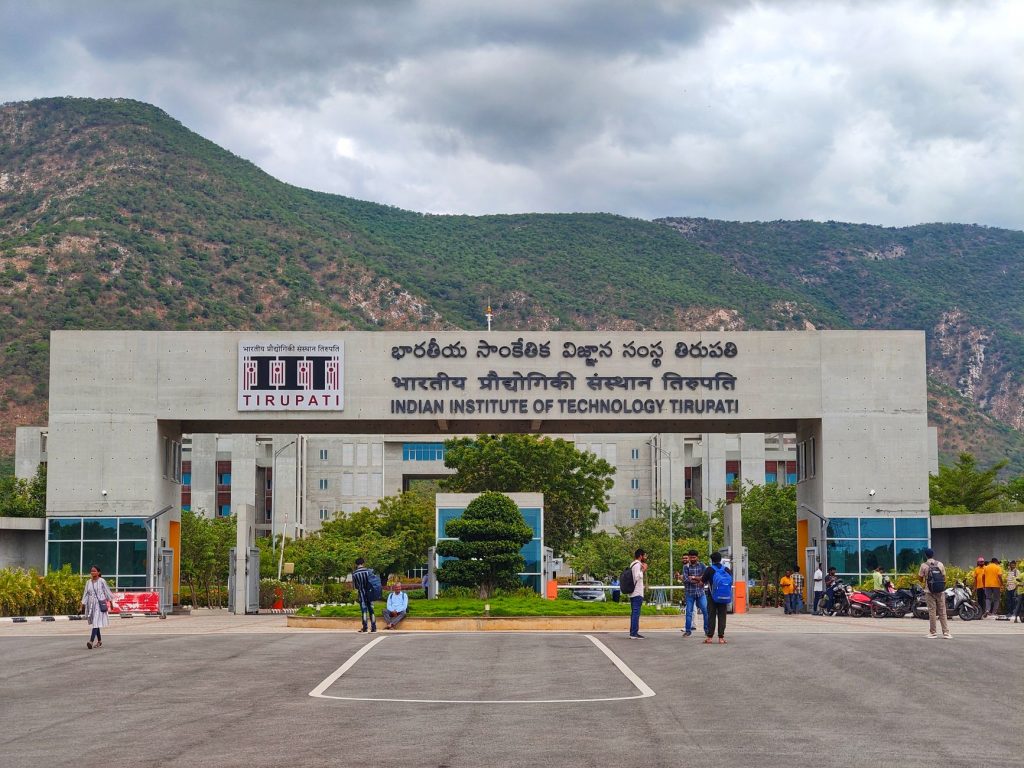
A powerful earthquake with a magnitude of 4.5 struck the Bay of Bengal early this morning, sending shockwaves throughout the region.
The quake, which occurred at 8:04 AM local time, was centered in the waters of the Bay of Bengal, approximately 200 kilometers east of the Andhra Pradesh coast.
Tremors Felt in Andhra Pradesh
Residents of Andhra Pradesh reported feeling the tremors, with some areas experiencing mild shaking and others experiencing no significant impact.
According to eyewitnesses, the quake lasted for approximately 10 seconds, during which time people were seen running out of their homes in panic.
While there have been no reports of casualties or damage, the earthquake has left residents on edge and sparked concerns about the region’s seismic activity.
Seismologists Weigh In
Experts from the Indian Meteorological Department (IMD) have confirmed that the quake was of moderate intensity and occurred at a depth of approximately 10 kilometers.
The IMD has stated that the earthquake was an ‘intrusive’ event, meaning it originated from within the Earth’s crust rather than at a plate boundary.
Seismologists have attributed the quake to the movement of tectonic plates beneath the Earth’s surface, which can cause seismic activity in the region.
What’s Next?
As the region continues to recover from the shock, authorities have issued a statement assuring residents that there is no immediate cause for concern.
However, the incident has raised questions about the preparedness of the region to deal with such events, particularly in light of the growing threat of earthquakes in the region.
The IMD has announced plans to conduct a thorough review of the region’s seismic activity and to provide updates on any potential risks.
In the meantime, residents are advised to remain vigilant and to take necessary precautions to ensure their safety in the event of another earthquake.
While the immediate impact of the quake appears to be minimal, the incident serves as a stark reminder of the region’s vulnerability to seismic activity and the need for greater preparedness and awareness.
As the region looks to the future, one thing is clear: the potential for earthquakes in this region is a reality that must be acknowledged and addressed.