
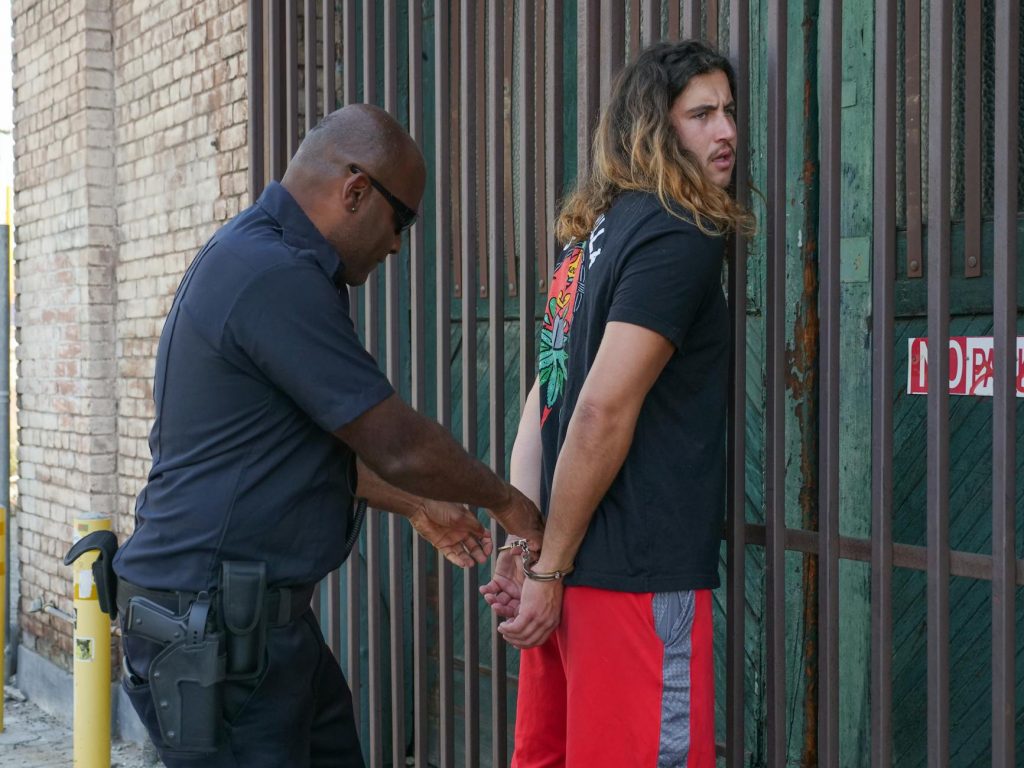
A Bihar resident is now facing legal trouble after Delhi police arrested him for creating and sharing artificially generated images of Prime Minister Narendra Modi. The man allegedly used AI tools to generate deepfake-style images and circulated them on social media, sparking action from authorities.
This case highlights a growing problem in India — the misuse of artificial intelligence technology to create misleading content of public figures. What makes this particularly concerning is how easily AI image generators have become accessible to regular people, making it simpler than ever to create convincing fake images.
Why This Matters Right Now
Think about it: a few years ago, creating realistic fake images of someone required serious technical skills and expensive software. Today, anyone with a smartphone and an internet connection can use free AI tools to generate images that look completely authentic. The problem isn’t just that these images exist — it’s that they spread like wildfire on WhatsApp groups, Instagram, and Twitter before anyone can verify them.
When these images target public figures, especially political leaders, they can influence public opinion and spread misinformation at massive scale. That’s exactly why Delhi police stepped in. The authorities are sending a clear message: creating and sharing such content won’t be tolerated.
What Laws Are Being Applied?
The arrest falls under existing laws meant to combat defamation and the spread of false information. However, many legal experts point out that India’s laws were written long before AI image generation became mainstream. There’s growing debate about whether we need new, specific legislation to address deepfakes and AI-generated misinformation.
The government has been working on frameworks to tackle this, but enforcement remains patchy across states. What’s clear is that police departments are now keeping a close eye on social media for such content.
Here’s what you should know: if you receive or share AI-generated images of anyone — famous or not — that are meant to mislead or defame, you could potentially face legal consequences. It’s not just about the PM either. The same rules can apply to anyone’s images being misused this way.
For the average Indian using social media, this is a wake-up call. Before you forward that suspicious image of a celebrity or politician, it’s worth asking: is this real? With AI tools making deepfakes indistinguishable from genuine photos, staying skeptical is your best defense against spreading misinformation.
As AI technology becomes more powerful and accessible, we’re likely to see more cases like this. The real question is whether our legal system and social media platforms can keep pace with the speed at which fake content spreads online.