
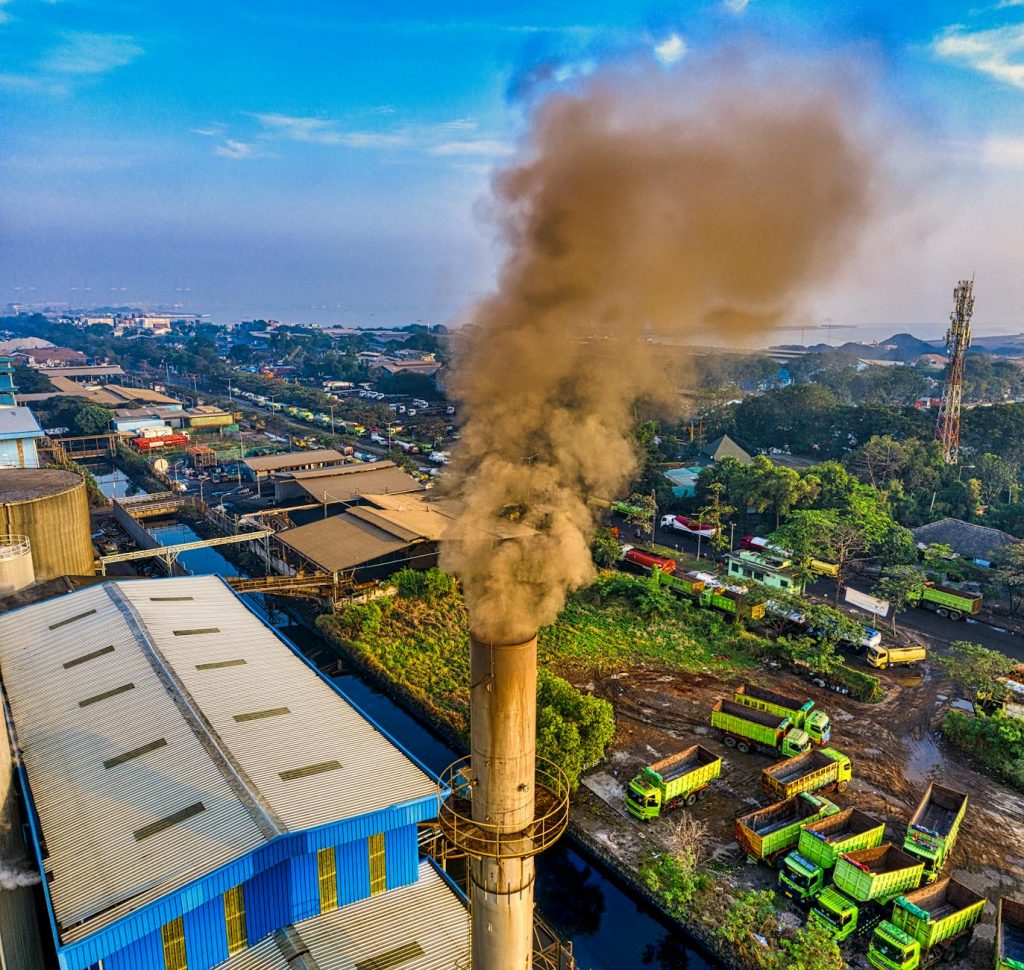
Hyderabad’s government has quietly approved a major policy allowing industrial land to be converted into commercial and residential projects—and it’s triggering a fierce backlash from manufacturers and urban planners alike.
The Hyderabad Industrial Land Transformation Policy essentially opens the door for industries to sell or redevelop their allocated land for non-industrial purposes. On paper, it sounds like modernization. In reality, it’s threatening the city’s manufacturing backbone.
Why This Policy Matters for Industry
When industries were originally allotted land in Hyderabad’s industrial zones, it came with a social contract: use it for manufacturing and job creation. The new policy flips this arrangement. Factory owners can now convert prime industrial real estate into shopping malls, offices, and apartments—where the money is far better.
Critics argue this will destroy what made Hyderabad an industrial hub. Once these lands turn into residential complexes, they’re gone forever. You can’t reverse concrete back into factories.
The real worry isn’t just about nostalgia. It’s about employment. Industrial zones employ thousands of workers in manufacturing, assembly, and skilled trades. When land transforms into malls and flats, those jobs simply vanish.
What’s Fueling the Controversy
The policy reveals a fundamental tension in Hyderabad’s growth story. Real estate developers see industrial land as underutilized and desperately want to tap into it. Land prices in these zones have skyrocketed, making the temptation irresistible for owners facing financial pressure.
Meanwhile, manufacturers feel betrayed. They followed the rules, invested in industrial infrastructure, and now face a situation where their neighbors can cash out and leave.
Environmental experts also have concerns. Industrial zones are typically located away from residential areas for good reason—pollution control. Mixing residential and light industrial uses could create serious health issues for residents while restricting what remaining industries can do.
The government’s argument is that this policy brings in tax revenue and modernizes the city. And honestly, Hyderabad does need revenue for infrastructure. But there’s a cost nobody’s fully accounting for.
For everyday Indians, this matters more than it might seem. If Hyderabad loses its industrial character, manufacturing jobs migrate elsewhere—to cities like Pune, Bengaluru, or even overseas. That directly affects job availability and wages in the sector.
The controversy shows no signs of cooling down. Industry associations are pushing back, demanding safeguards. The government maintains the policy is optional—industries don’t have to convert. But once the door opens, economic pressure usually wins.
Watch this space closely. How Hyderabad resolves this tension between real estate profits and industrial preservation could set a precedent for every manufacturing city in India.