
Are Indian-American arms sales making us vulnerable to global conflicts?
US Congressman Ro Khanna has sparked a heated debate by urging his fellow lawmakers to review the sale of arms to India, citing national security concerns.
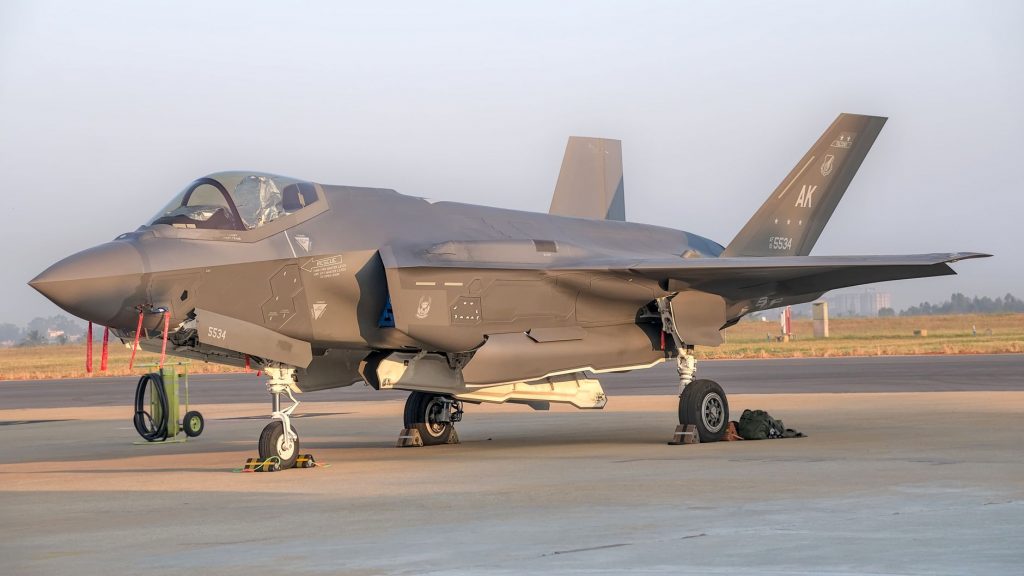
The call for review comes after the US announced plans to sell over $22 billion worth of military equipment to India, including F-21 fighter jets and artillery guns.
The US has long been one of India’s largest arms suppliers, with bilateral defense trade valued at over $20 billion in the last decade alone. However, the recent surge in sales has raised eyebrows, with critics questioning the wisdom of arming India with cutting-edge military technology.
Khanna, a Democrat from California, has expressed concerns that the arms sales could exacerbate tensions in the region and undermine US national security.
India’s Military Modernization Drive
India’s military modernization drive has been in full swing for several years, with the government investing heavily in upgrading its defense capabilities. The aim is to make India a major military power and a key player in regional and global politics.
However, the rush to modernize has led to criticism that India is prioritizing defense spending over social welfare and economic development. Critics argue that the billions spent on arms imports could be better used to address pressing issues like poverty and inequality.
While India’s military modernization drive has its benefits, it also raises questions about the country’s intentions and the implications for regional stability.
India’s neighbors, including Pakistan and China, have long been wary of the country’s military buildup. They fear that India’s growing military capabilities could lead to miscalculations and escalation, with far-reaching consequences for regional security.
The US-India Defense Partnership
The US-India defense partnership has been a cornerstone of bilateral relations for several years. The partnership has enabled the US to supply India with cutting-edge military technology, including aircraft carriers, fighter jets, and artillery guns.
However, the partnership has also raised concerns about the potential for India to become overly dependent on US military aid. Critics argue that this could undermine India’s sovereignty and create an imbalance in regional power dynamics.
Khanna’s call for review has sparked a heated debate in the US Congress, with some lawmakers arguing that the arms sales are necessary to counterbalance China’s growing military influence in the region.
Others have expressed concerns that the sales could compromise India’s human rights record and its treatment of minority groups, including Muslims and Dalits.
What’s Next for US-India Defense Relations?
The debate over arms sales to India is likely to continue in the coming weeks and months. Khanna’s call for review has sparked a wider discussion about the implications of the US-India defense partnership and the need for greater transparency and accountability in arms sales.
As India continues to modernize its military, the US will need to carefully weigh its defense partnership with New Delhi. The stakes are high, with the potential for miscalculations and escalation in the region.
The outcome of this debate will have far-reaching consequences for regional security and the future of US-India relations.