
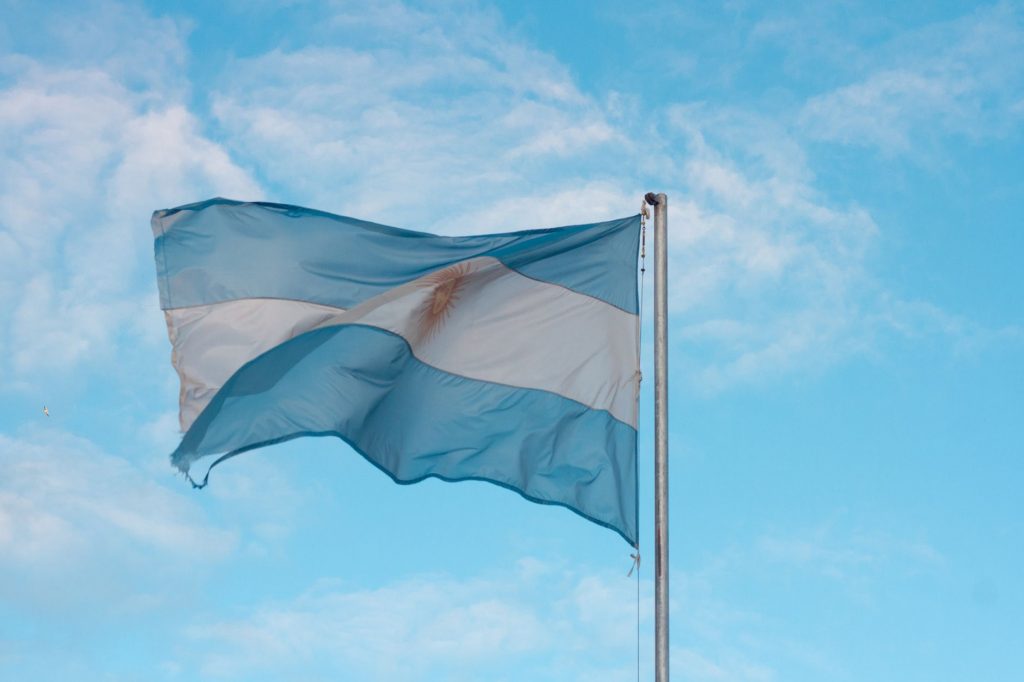
Did the White House weigh in on the Falklands controversy during the World Cup semi-final? Yes, they did. In a surprising move that has drawn attention globally, the United States has publicly supported the actions of Argentine players who displayed a banner referencing the Falkland Islands during their World Cup semi-final match.
Falklands Banner Sparks International Debate
The incident occurred as the Argentine football team progressed to the World Cup semi-finals. Following their victory, players were seen holding up a banner that explicitly mentioned the Falkland Islands, a territory claimed by both Argentina and the United Kingdom, and over which a war was fought in 1982. This display, while seemingly a patriotic gesture for Argentinians who refer to the islands as ‘Las Malvinas,’ carries significant historical and political weight, particularly for the UK and its allies.
White House’s Diplomatic Stance
When questioned about the banner, a spokesperson for the White House indicated that they understood the sentiment behind the players’ actions. While not explicitly endorsing the territorial claim, the statement emphasized freedom of expression and acknowledged the historical context from the Argentine perspective. This diplomatic balancing act aims to avoid taking a definitive side in a long-standing sovereignty dispute while acknowledging the cultural significance of the islands for Argentina. It’s a delicate dance on the international stage, especially during a global sporting event that often transcends political boundaries.
India’s Position and Regional Echoes
This development raises questions about how other nations, particularly those with their own historical territorial sensitivities, might view such displays. India, with its own complex history regarding border disputes and sovereignty claims, often navigates such issues with careful consideration. While no official comment from New Delhi has emerged regarding this specific incident, it’s a reminder of how deeply intertwined sports and national identity can become, often bringing latent political sentiments to the forefront.
The White House’s intervention, even if subtle, highlights the global stage the World Cup provides for national narratives. For Argentina, the ‘Malvinas’ are a potent symbol of national pride and historical grievance. For the UK, they represent a sovereign territory. The US’s measured response suggests a recognition of these differing perspectives, a strategy often employed in international diplomacy to maintain relationships rather than ignite new conflicts, especially during a period of intense global focus.