
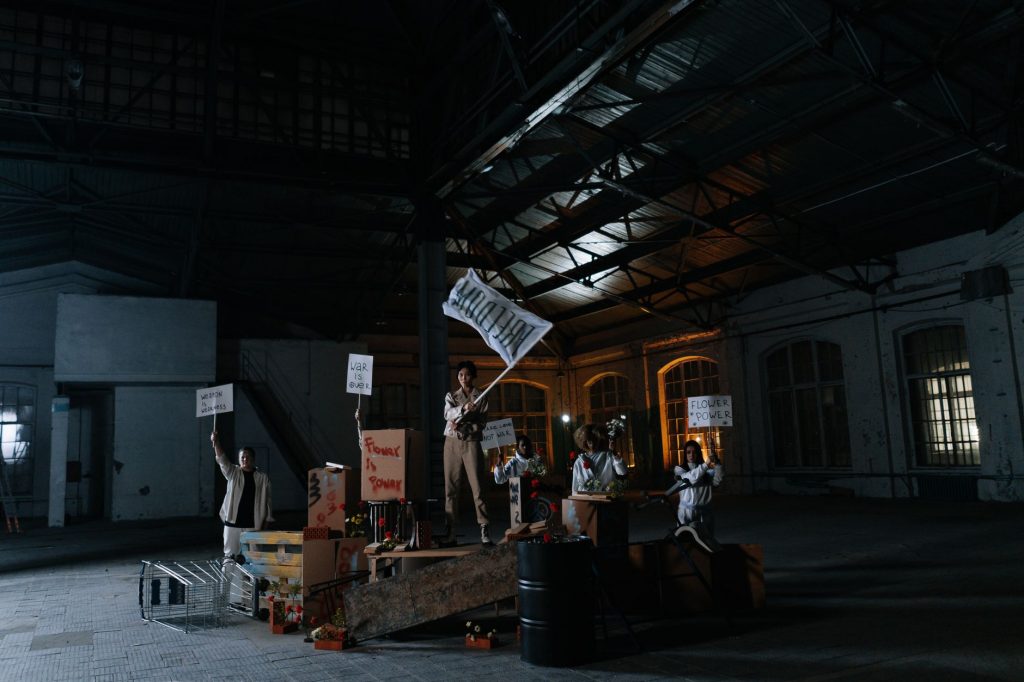
Imagine being in a crowded public space, surrounded by hundreds of people, all speaking in unison about a cause they believe in. The energy is palpable, the atmosphere electric, and the message clear: justice must be served. This is what it’s like to join a protest, a phenomenon that’s become increasingly common in India in recent years.
But what happens when a video of a protest goes viral, only to be met with claims that the person in the video is someone else altogether? This is exactly what happened recently, when a video of Naseeruddin Shah, a renowned Indian actor, surfaced on social media, claiming that he had joined a protest organized by the Campaign for Judicial Accountability and Reforms (CJP) in New Delhi.
What’s in the video?
The video shows a man, who looks uncannily like Naseeruddin Shah, standing amidst a sea of protesters, holding a placard that reads ‘Justice for All’. The man is seen chanting slogans, along with the rest of the crowd, and his face is clearly visible, albeit partially obscured by a mask. The video quickly went viral on social media, with many users claiming that it was indeed Naseeruddin Shah who had joined the protest.
However, CJP, the organization behind the protest, quickly came out with a statement saying that the man in the video was not Naseeruddin Shah. They claimed that the actor had been misidentified and that the real Naseeruddin Shah was not involved in the protest. But why was this video created in the first place, and what’s behind the identity mix-up?
The truth behind the video
According to sources close to the CJP, the video was created by a group of protesters who wanted to make a point about the lack of accountability in the Indian judiciary. The group had created a mock protest, complete with placards, banners, and a mock rally, to highlight the issue. The video was shot during this mock protest, and the man in the video was a lookalike of Naseeruddin Shah, who had been hired to play the role of the actor.
But why did the lookalike resemble Naseeruddin Shah so closely? Sources claim that the lookalike was a professional actor, who had been hired by the group to play the role of the actor. He had been instructed to dress and act like Naseeruddin Shah, to make the protest look more authentic.
The CJP, however, claims that they had no knowledge of the lookalike or the mock protest. They say that they had been misinformed about the identity of the man in the video and that they had apologized to Naseeruddin Shah for the mistake.
Expert context
So, what does this incident reveal about the Indian public’s perception of protests and social activism? Experts say that the incident highlights the fact that protests in India are becoming increasingly politicized, with many people using them as a platform to make a point or to gain attention. The use of lookalikes and mock protests also raises questions about the authenticity of such events.
Naseeruddin Shah, meanwhile, has been a vocal critic of the Indian government’s handling of various issues, including the judiciary. He has been involved in several high-profile controversies in the past, and his name has been associated with various social and political causes.
As for the CJP, they have been at the forefront of the judicial accountability movement in India. They have been instrumental in highlighting various issues related to the judiciary, including corruption and lack of accountability.
So, what’s next? The incident highlights the need for greater transparency and accountability in social activism and protests in India. It also raises questions about the role of lookalikes and mock protests in such events. As the debate continues, one thing is clear: the lines between fact and fiction are becoming increasingly blurred in the world of social activism.