
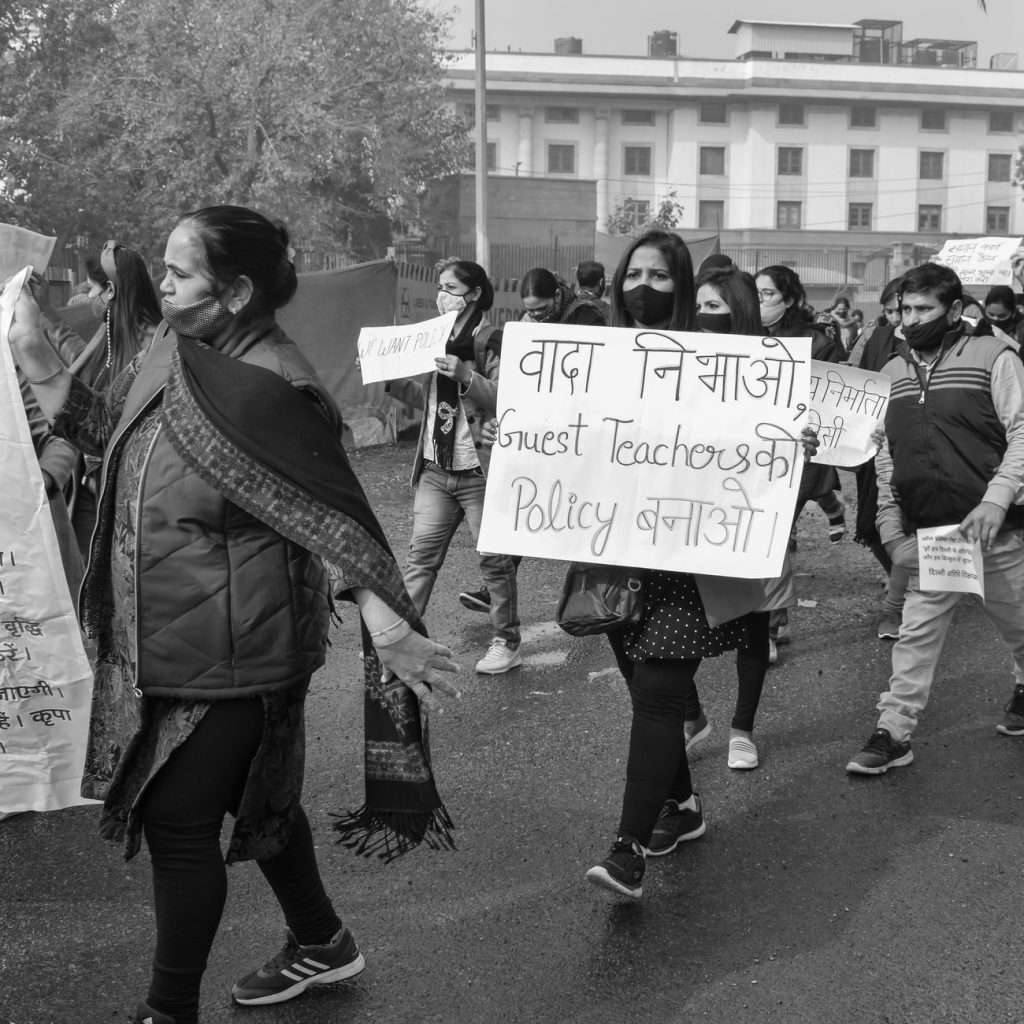
Thousands of young Indians, primarily students, took to the streets recently, attempting to march towards the nation’s Parliament. Their impassioned plea was for a fundamental overhaul of the country’s education system, highlighting deep-seated frustrations with the current structure and its perceived inadequacies.
The Unmet Aspirations of India’s Youth
The march, which saw a significant turnout of college students and recent graduates, underscored a growing discontent with an education system that many feel is failing to equip them for the realities of the 21st century. Protesters voiced concerns about rote learning, a lack of critical thinking emphasis, and a curriculum that often feels disconnected from the job market. The sheer number of participants signals a powerful collective voice demanding change, moving beyond isolated grievances to a widespread call for systemic reform. This isn’t just about academic scores; it’s about future opportunities and the nation’s developmental trajectory.
Beyond the Classroom: Jobs and Skills Gap
At the heart of the protest lies a palpable anxiety regarding employability. Many young people feel that despite acquiring degrees, they lack the practical skills and analytical abilities necessary to secure meaningful employment. The perceived disconnect between academic syllabi and industry requirements has led to a significant skills gap, leaving graduates struggling to find their footing in a competitive job market. This has fueled demands for a more practical, skill-oriented approach to education, with greater emphasis on vocational training, innovation, and problem-solving from an early stage.
The demonstrators also highlighted issues related to access and equity, with concerns raised about the unequal distribution of quality education across different regions and socio-economic strata. The push for reform extends to making education more inclusive, affordable, and relevant to the diverse needs of India’s population. The desire is for an education system that empowers every individual, regardless of their background, to reach their full potential and contribute meaningfully to society.
While the march to Parliament was met with security measures, the message from these thousands of young citizens cannot be ignored. The government and educational policymakers will now face increased pressure to address these widespread concerns. The coming weeks and months will likely see intensified dialogues, policy reviews, and perhaps even the introduction of new initiatives aimed at reshaping India’s educational landscape to better serve its future generations.