
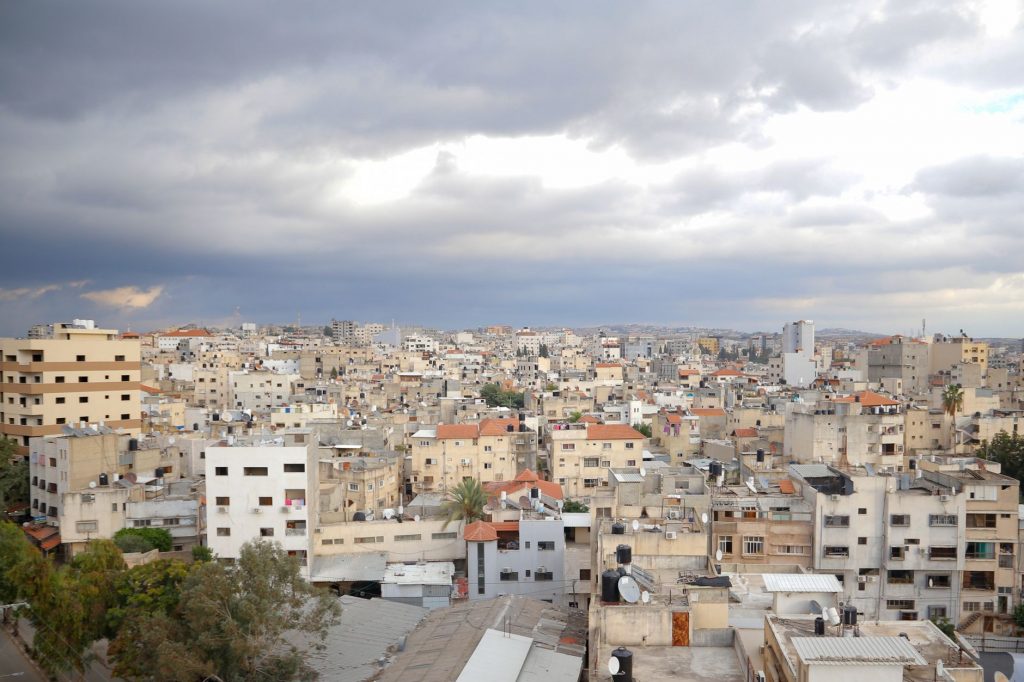
Just like how a small misunderstanding can escalate into a big argument at a family gathering, the global stage is also grappling with simmering tensions and the faint hope of a diplomatic breakthrough. In the Middle East, two critical developments are capturing international attention: the possibility of a deal with Iran and escalating violence in the West Bank.
Iran Eyes Deal, US Sees Opening
Former US President Donald Trump has suggested that Iran is keen on striking a new nuclear deal. This comes amidst ongoing speculation about Iran’s nuclear program and the international community’s efforts to curb it. Trump’s remarks, made at a political rally, indicate a potential shift in Tehran’s stance, or at least a strategic move to gauge international reactions. While the specifics of any potential deal remain elusive, the mere mention of negotiations sparks renewed interest in de-escalation and stability in a region that often makes headlines for conflict.
West Bank Violence Casts Shadow
Meanwhile, the situation in the West Bank remains deeply concerning. Reports indicate a worrying surge in violence, with clashes between Israeli forces and Palestinian residents, as well as heightened tensions in settlements. These incidents underscore the persistent fragility of peace in the region and the ongoing humanitarian challenges faced by those living there. The cycle of violence continues to be a major obstacle to any meaningful progress towards a lasting solution.
Expert Take: A Complex Balancing Act
Dr. Anya Sharma, a geopolitical analyst specializing in the Middle East, commented, “The juxtaposition of potential diplomatic overtures from Iran and the persistent unrest in the West Bank paints a complex picture. While the prospect of a nuclear deal could theoretically lead to some regional recalibration, the immediate and visceral reality of violence on the ground cannot be ignored. The international community faces a difficult balancing act, needing to pursue dialogue while also addressing the immediate human cost of conflict.” She added that any progress on the Iran deal would likely be heavily influenced by the ongoing instability in Palestinian territories, creating a volatile backdrop for negotiations.
The coming weeks will be crucial in determining whether Iran’s alleged interest in a deal translates into concrete diplomatic action, and whether the escalating violence in the West Bank can be contained before it further destabilizes an already volatile region. For India, a nation with strong ties to both the Middle East and global peace initiatives, these developments are of significant consequence, impacting energy security and regional stability.