
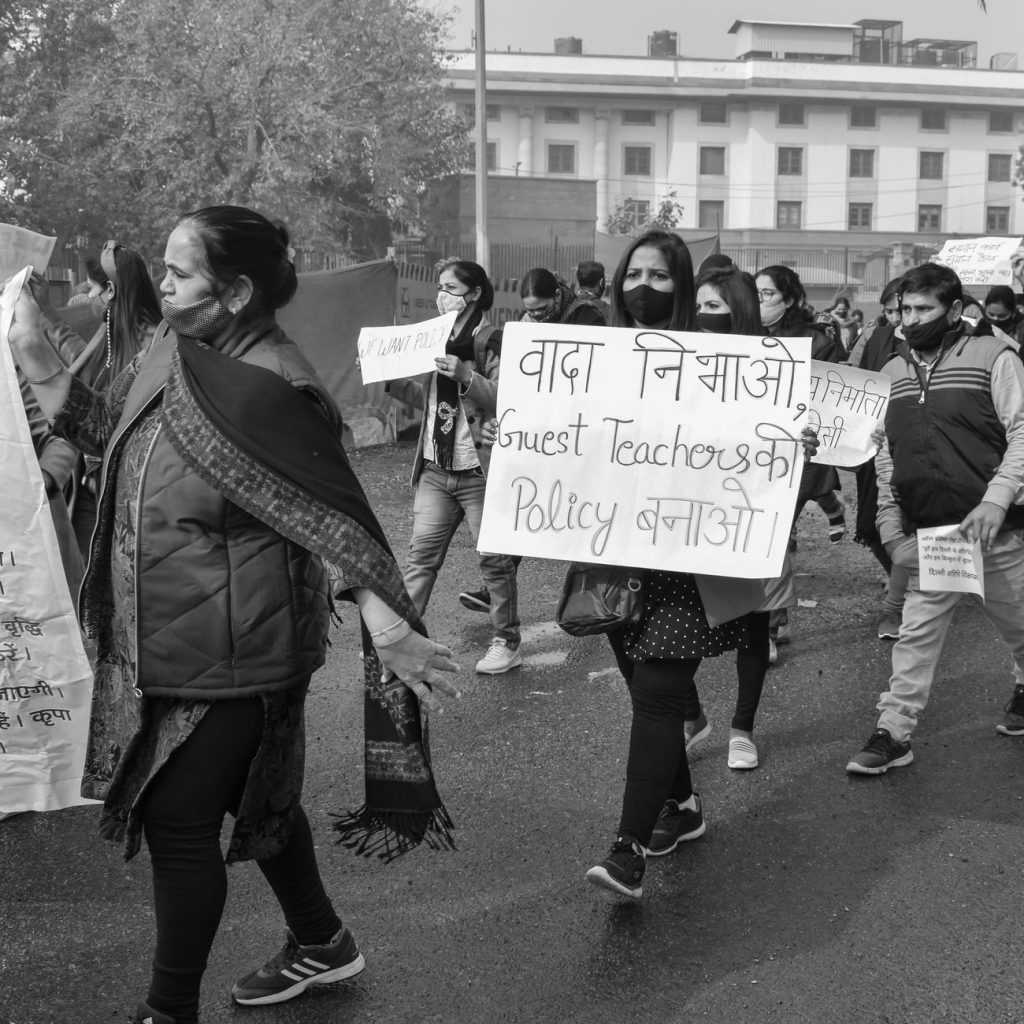
In a shocking turn of events, a group of protesters who had been camping outside a government building in the Indian capital were forced to pack up and leave after a key minister resigned from his post.
The protesters, who had been demanding the minister’s resignation for weeks, had taken to calling themselves ‘cockroaches’ due to their alleged ability to ‘infest’ the government. Their leader, a young activist named Rohan, had been at the forefront of the protests, using social media to mobilize support and organize rallies.
Background to the Protests
The protests were sparked by allegations of corruption and mismanagement within the government, with the minister at the centre of the controversy accused of embezzling millions of rupees from a key government project. The protesters claimed that the minister’s actions had caused widespread suffering and hardship for ordinary Indians, and that his resignation was a necessary step towards cleaning up the government.
As the protests gained momentum, they began to attract attention from across the country, with many Indians expressing their support for the protesters on social media. However, the government had remained steadfast in its refusal to give in to the protesters’ demands, even as tensions between the two sides continued to escalate.
It was against this backdrop that the minister finally resigned from his post, citing ‘personal reasons’ for his decision. While the protesters were jubilant at the news, many Indians were left wondering what had really led to the minister’s resignation, and whether it was enough to satisfy their demands for accountability and transparency within the government.
The ‘Cockroach’ Protests: A Symbol of India’s Growing Dissent
The protests that came to be known as the ‘cockroach’ protests were just the latest in a series of demonstrations that have taken place across India in recent years. From farmers demanding better prices for their crops to students protesting against the government’s education policies, Indians have been increasingly taking to the streets to express their discontent with the government’s actions.
The ‘cockroach’ protests were notable not just for their creativity and determination, but also for their ability to mobilize support from across the country. Using social media to organize and coordinate their efforts, the protesters were able to build a huge following and attract attention from key figures in Indian politics.
However, the protests also highlighted the challenges that face anyone trying to bring about change in India. Despite their best efforts, the protesters were ultimately unable to force the government to take action, and were instead forced to pack up and leave when the minister resigned. This raises important questions about the limits of protest and the role of ordinary Indians in shaping the country’s future.
As India continues to navigate the challenges of growth and development, it is clear that the ‘cockroach’ protests will not be the last we have heard of. Whether or not the minister’s resignation is enough to satisfy their demands, the protesters have shown that they will not be silenced, and that they will continue to fight for a more accountable and transparent government.
What Does This Mean for Indians?
In the wake of the ‘cockroach’ protests, many Indians are left wondering what this means for the country’s future. While the minister’s resignation is a welcome development, it is clear that there is still much work to be done to address the corruption and mismanagement that has plagued the government for so long.
For Indians who are demanding a more accountable and transparent government, the protests have shown that there are ways to bring about change, even in the face of adversity. However, they have also highlighted the challenges that lie ahead, and the need for ordinary Indians to continue fighting for their rights and their future.
Ultimately, the ‘cockroach’ protests will be remembered as a key moment in India’s struggle for a more just and equitable society. Whether or not the minister’s resignation is enough to satisfy their demands, the protesters have shown that they will not be silenced, and that they will continue to fight for a better future for all Indians.