
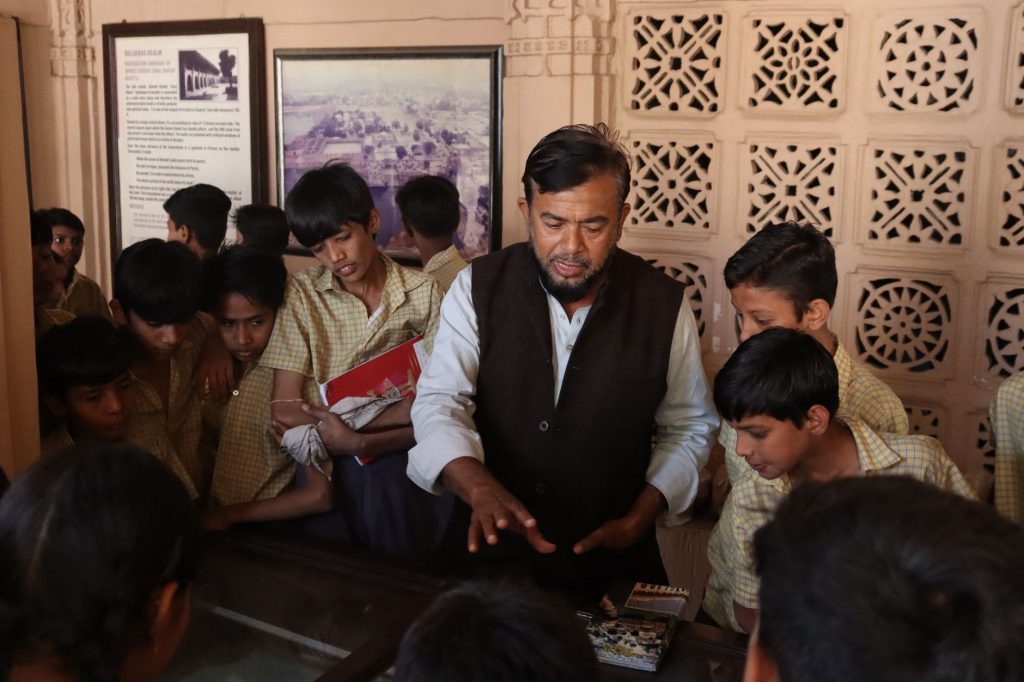
India’s education minister has stunned the nation by resigning from his post, bowing to the demands of furious youth protests that have swept across the country. The sudden resignation has left many wondering what sparked this sudden change in the government’s stance.
The protests, which began as a small movement among students, have grown into a massive nationwide uprising against the government’s handling of the education system. Students have been demanding reforms, better facilities, and an end to the outdated curriculum.
Student Power: What Drives the Protests?
The protests, which have been fueled by social media, have seen students come together to demand change. From Delhi to Mumbai, Kolkata to Chennai, the streets have been filled with students, all united in their quest for a better education system. The government’s initial response was to dismiss the protests as ‘isolated incidents’, but the sheer scale of the protests has forced them to rethink their strategy.
At the heart of the protests are the students’ demands for a more inclusive and relevant education system. They want the curriculum to be updated to include modern subjects like AI, coding, and data science, and for the government to provide better facilities and resources to schools.
The government’s sudden decision to resign has been seen as a major victory for the students. It’s a testament to the power of collective action and the determination of young Indians to bring about change.
What Next for India’s Education System?
The resignation of the education minister marks a significant shift in the government’s approach to education. It’s a recognition that the current system is broken and that radical reforms are needed to bring about change.
The government has promised to set up a committee to look into the students’ demands and come up with recommendations for reform. This is a welcome move, but many are skeptical about the government’s ability to deliver on its promises.
The protests have also raised questions about the government’s handling of other issues, including the economy, healthcare, and employment. It remains to be seen whether the government will be able to address these issues in a meaningful way.
One thing is certain, however – the students have set the bar high for the government. They expect concrete action and meaningful reforms, and anything less will be seen as a betrayal.
The Bigger Picture: What This Means for Indians
The resignation of the education minister is just the beginning of a larger conversation about India’s future. It’s a reminder that the country’s young people are not just passive recipients of their education, but active agents of change.
This is a moment of great hope and great opportunity for India. The government has a chance to listen to the people and deliver on their promises. If they fail, it could have far-reaching consequences for the country’s future.
The students’ movement is not just about education, but about the kind of country India wants to be. Do we want a country that prioritizes the interests of the wealthy and powerful, or one that puts the needs of its citizens at the heart of its policies?
The answer to this question will determine the course of India’s history. The students have set the ball rolling, and it’s up to the government to respond.