
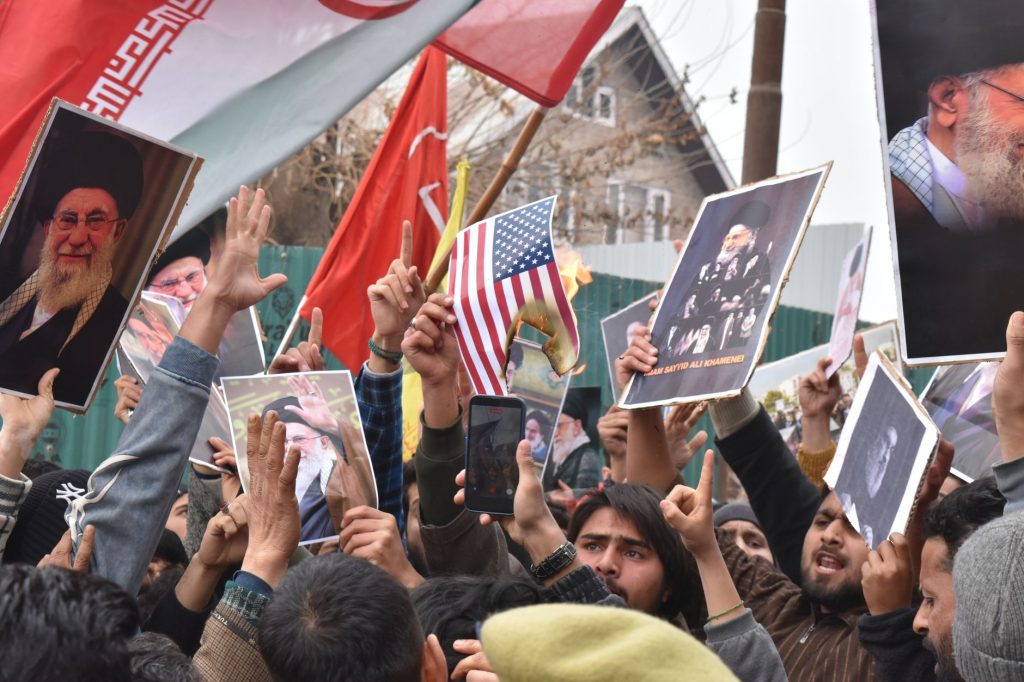
US-Iran Conflict: A Tense Standoff Eases
A dramatic escalation of violence between the US and Iran seems to have subsided, but the situation in the region remains volatile. The US and Iran have been at loggerheads over various issues, including the 2015 Iran nuclear deal, which the US unilaterally withdrew from in 2018. The tensions escalated further after a US drone strike killed top Iranian military commander Qasem Soleimani in January 2020.
The US-Iran conflict has been a cause of concern for countries in the region, including India. The conflict has also had a significant impact on global oil markets, leading to a surge in oil prices. As the region continues to grapple with the aftermath of the conflict, it is essential to understand the complexities of the situation.
A Brief History of US-Iran Tensions
The US and Iran have a long history of animosity, dating back to the 1979 Iranian Revolution, which saw the overthrow of the pro-US Shah Mohammad Reza Pahlavi. Since then, the two countries have had a complex relationship, with periods of relative calm punctuated by episodes of intense hostility. In 2015, the US and other world powers signed the Joint Comprehensive Plan of Action (JCPOA), also known as the Iran nuclear deal, which aimed to limit Iran’s nuclear program in exchange for relief from economic sanctions.
However, the US withdrew from the deal in 2018, citing concerns about Iran’s ballistic missile program and its support for militant groups in the region. Iran responded by scaling back its commitments under the deal, which led to a significant increase in tensions between the two countries. The killing of Qasem Soleimani in January 2020 marked a new low in the conflict, leading to a massive escalation of violence in the region.
Despite the easing of tensions, the situation in the region remains fragile. Both the US and Iran have supporters in the region who continue to exchange attacks, leading to a significant increase in violence. The conflict has also had a significant impact on global oil markets, leading to a surge in oil prices.
What Does This Mean for Indians?
The US-Iran conflict has significant implications for Indians, particularly in terms of energy security. India is heavily dependent on imported oil, and any disruption to global oil supplies can have a significant impact on the country’s economy. Moreover, the conflict has also had a significant impact on the global economy, leading to a surge in oil prices.
India has been trying to diversify its energy sources, including increasing its imports of oil from other countries. However, the country is still heavily dependent on imports from the Middle East, where the conflict is centered. The conflict has also had a significant impact on the Indian rupee, which has depreciated significantly against the US dollar in recent months.
As the region continues to grapple with the aftermath of the conflict, it is essential for India to remain vigilant and take steps to mitigate the impact of the conflict on its economy. The government has already taken steps to increase its strategic oil reserves and diversify its energy sources, but more needs to be done to ensure the country’s energy security.
In conclusion, the US-Iran conflict is a complex and volatile situation that continues to have significant implications for Indians. The conflict has had a significant impact on global oil markets, leading to a surge in oil prices, and has significant implications for India’s energy security. As the region continues to grapple with the aftermath of the conflict, it is essential for India to remain vigilant and take steps to mitigate the impact of the conflict on its economy.