
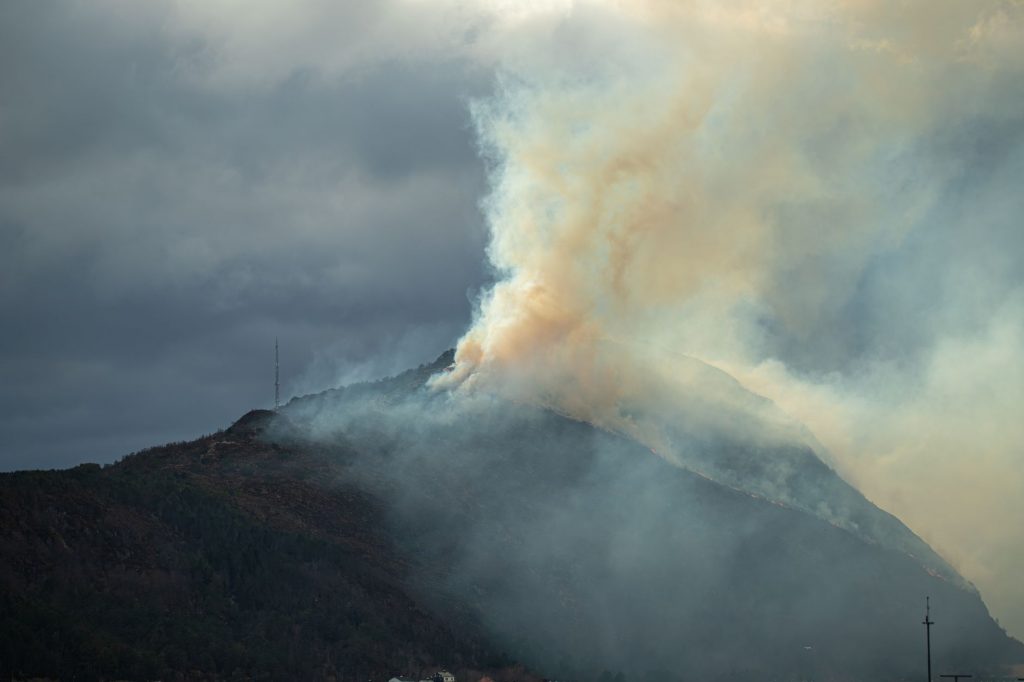
Imagine entire towns being evacuated, skies choked with smoke, and landscapes turning to ash. This isn’t a scene from a disaster movie, but the stark reality unfolding across swathes of Western Europe this summer. Unprecedented wildfires, fueled by a brutal heatwave, are tearing through countries like Spain, Portugal, France, and Italy, leaving behind a trail of destruction and forcing thousands to flee their homes. This isn’t just a European problem; it’s a stark reminder of the escalating climate crisis and its far-reaching consequences.
The Heat Behind the Flames
The primary culprit behind this fiery onslaught is a relentless and record-breaking heatwave that has gripped the continent. Temperatures have soared to unbearable levels, often exceeding 40 degrees Celsius (104 degrees Fahrenheit) in many regions, turning dry vegetation into tinderboxes. Compounding the issue are prolonged periods of drought, which have left the earth parched and vulnerable. These extreme weather conditions, scientists warn, are becoming more frequent and intense due to climate change, a global phenomenon we in India are also increasingly experiencing.
A Continent Under Siege
The impact has been devastating. In Spain and Portugal, thousands have been forced to abandon their homes as flames engulf forests and rural areas. France is battling significant blazes, particularly in the popular tourist region of Bordeaux, disrupting travel and threatening communities. Italy, too, is grappling with numerous fires, exacerbated by high temperatures and strong winds. Firefighters are working around the clock, battling infernos that are proving incredibly difficult to control due to the sheer scale and ferocity of the blazes.
Why This Matters to India
While these fires are raging thousands of kilometres away, their implications for India are significant and multifaceted. Firstly, it underscores the urgent need for robust climate action globally. As a developing nation ourselves, we are particularly vulnerable to the impacts of climate change, from unpredictable monsoons to rising sea levels. Secondly, disruptions in European agriculture due to these fires could have ripple effects on global food supply chains, potentially impacting prices of imported goods. Furthermore, the increasing frequency of extreme weather events globally serves as a potent warning for us to strengthen our own disaster preparedness and mitigation strategies. The fires in Europe are not an isolated incident; they are a global symptom of a planet in distress, a distress we are already feeling and will continue to face if we do not act decisively.
Looking Ahead
The immediate focus remains on containing the current wildfires and aiding affected communities. However, the long-term implications are profound. This crisis highlights the critical importance of investing in climate resilience, sustainable land management, and international cooperation to combat the shared threat of climate change. For India, it’s a clarion call to accelerate our own efforts towards renewable energy and adaptation measures, ensuring we are better prepared for the environmental challenges that lie ahead.