
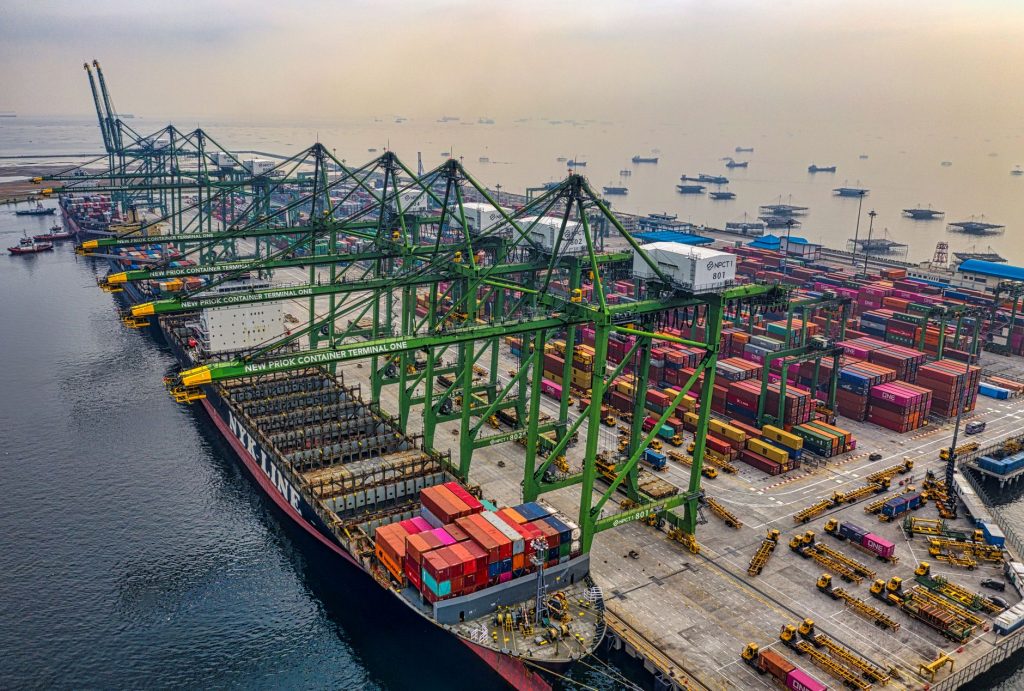
Farmers across India are likely to be concerned about the country’s growing reliance on fertiliser imports. Is this a cause for worry? Let’s break it down.
India’s Fertiliser Import Dependence: What’s the Reality?
India is the world’s third-largest producer of fertilisers, and the government has been working hard to boost domestic production and reduce imports. However, despite these efforts, the country’s dependence on fertiliser imports has been increasing over the years. According to recent data, India imported over 20 lakh tonnes of fertilisers in 2022-23, which is a significant jump from the previous year.
So, what’s behind this rising trend? One major reason is the decline in domestic production, which has been affected by factors like power shortages, gas supply constraints, and environmental concerns. Additionally, the increasing global demand for fertilisers, particularly nitrogen-based fertilisers, has pushed up prices and made imports more attractive. The other reason is the growing demand for fertilisers in India, driven by the country’s rapid agricultural growth and increasing crop yields.
Why Should Farmers Be Worried?
India’s increasing fertiliser import dependence has several implications for farmers. Firstly, the high cost of imports can lead to a price hike in fertilisers, making them less affordable for farmers. This can negatively impact crop yields, ultimately affecting the country’s food security. Secondly, the quality of imported fertilisers may not be the same as domestic products, which could compromise crop quality and yields. Lastly, the reliance on imports makes India vulnerable to global market fluctuations, which can impact the country’s fertiliser supply and prices.
However, the government has been working to address these concerns. The Ministry of Chemicals and Fertilisers has set a target to increase domestic fertiliser production to 30 lakh tonnes by 2025, which should reduce India’s dependence on imports. Additionally, the government has introduced policies to promote the use of organic and natural fertilisers, which can be more environment-friendly and cost-effective.
While there are challenges ahead, India’s fertiliser import dependence is a complex issue that requires a multi-faceted approach. The government, farmers, and other stakeholders must work together to address the production and supply-side issues, improve domestic production, and promote sustainable agricultural practices.
Ultimately, it’s crucial for farmers to be aware of the situation and make informed decisions about their fertiliser usage. By choosing the right fertilisers and adopting sustainable practices, farmers can reduce their dependence on expensive and imported fertilisers.
What’s Next?
The Indian government has announced several initiatives to boost fertiliser production and reduce imports. These include setting up new fertiliser plants, promoting the use of renewable energy, and improving the efficiency of existing production facilities. Additionally, the government has launched a scheme to provide subsidies to farmers for using organic and natural fertilisers.
While these efforts are encouraging, the challenge ahead is significant. India’s fertiliser import dependence will take time to reverse, and it requires sustained efforts from all stakeholders. By working together, we can ensure that India’s farmers have access to affordable and high-quality fertilisers, which is crucial for the country’s food security and agricultural growth.
As India moves forward, it’s essential to strike a balance between meeting the country’s fertiliser demands and promoting sustainable agricultural practices. By doing so, we can create a more resilient and self-sufficient agricultural sector that benefits both farmers and consumers.