
Imagine your favourite imported electronics suddenly doubling in price, or the cost of your regular overseas holiday skyrocketing. For many Indians, such a scenario could become a reality if a proposed bill in the United States Congress gains traction. This legislation, aimed at further tightening sanctions on Russia, carries a significant, albeit indirect, threat to Indian businesses and consumers.
At the heart of the issue is a bill moving through the US Senate that proposes a potential 100% tariff on goods originating from countries that continue to trade with Russia. While India is not explicitly named, the broad language of the bill could inadvertently ensnare New Delhi. India’s continued engagement with Russia, particularly in energy imports, has drawn the attention of US policymakers who are seeking to isolate Moscow over its ongoing conflict in Ukraine.
The Unintended Consequences for India
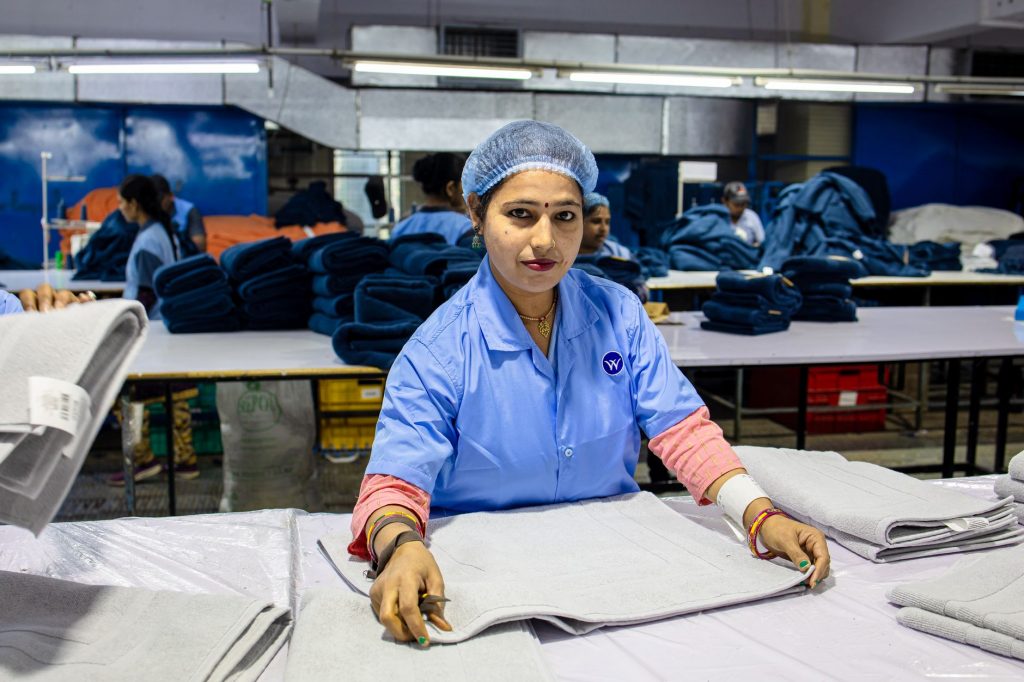
The proposed American legislation, if enacted as is, could force India into a difficult corner. On one hand, New Delhi has consistently advocated for an independent foreign policy and has resisted joining Western sanctions against Russia, citing national interests and the need for affordable energy. On the other hand, a 100% tariff would cripple India’s export sector, impacting a wide range of industries from textiles and pharmaceuticals to engineering goods and jewellery, which contribute significantly to the nation’s economy and provide employment to millions.
Navigating Geopolitical Tides
This development underscores the complex geopolitical tightrope India is currently walking. While maintaining strategic autonomy, India also relies heavily on its economic ties with major global players, including the United States, which remains a crucial market for Indian exports. Experts suggest that the Indian government will likely engage in robust diplomatic efforts to clarify its position and seek exemptions or amendments to the bill. The aim would be to ensure that measures designed to penalize Russia do not unduly harm friendly nations like India, which are not actively supporting Moscow’s actions but are bound by their own pragmatic considerations.
The ultimate impact of this bill remains uncertain. However, it serves as a stark reminder of how international geopolitical shifts can have tangible repercussions on everyday Indian lives and the nation’s economic trajectory. The coming weeks will be critical as diplomatic channels work overtime to avert what could be a significant economic blow.