
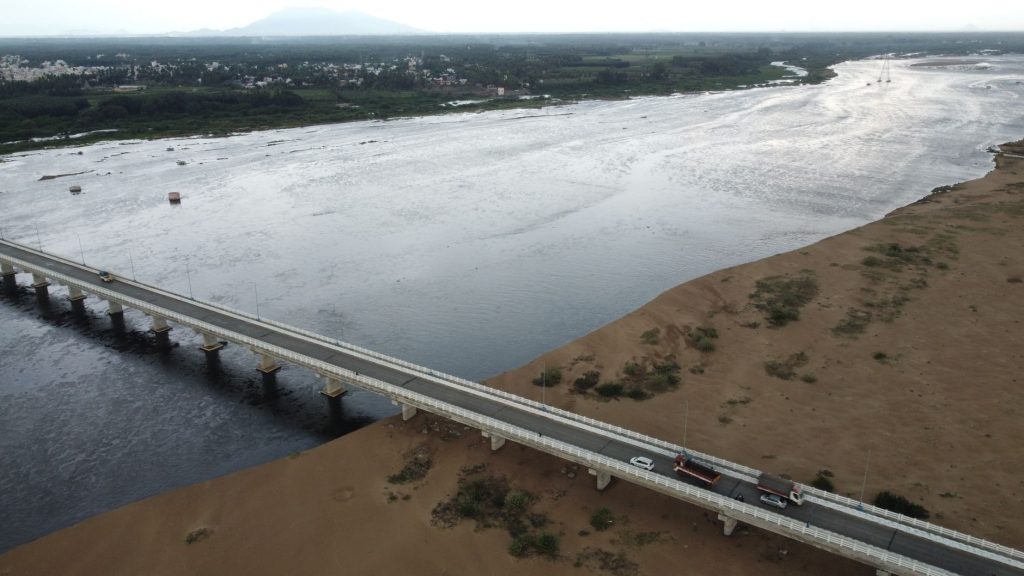
The state of Karnataka has called an all-party meeting to discuss the contentious Cauvery water directive, sparking widespread protests and a bandh (shutdown) on August 13.
The crisis has been brewing for months, pitting Tamil Nadu against Karnataka over the allocation of water from the Cauvery River. The latest move by the Karnataka government comes after the Supreme Court directed the state to release more water to Tamil Nadu, despite protests from Karnataka.
A Brief History of the Cauvery Dispute
The Cauvery River, which originates in Karnataka, is a vital source of water for both states. The dispute over the river’s waters dates back to 1924, when the British colonial government first attempted to allocate the water between the two states. The issue has only intensified since then, with both states accusing each other of misusing the water.
Over the years, the dispute has led to several violent protests, including a 2018 agitation that saw farmers in Tamil Nadu block railway tracks and highways. The protests have also resulted in the deaths of several people on both sides.
What’s Behind the Latest Tensions?
The latest tensions between the two states began in June, when the Cauvery Water Regulatory Committee (CWRC) directed Karnataka to release 30 TMC (thousand million cubic feet) of water to Tamil Nadu. However, Karnataka refused to comply, citing a severe drought in the state.
The CWRC is a three-member committee set up by the Supreme Court to oversee the allocation of Cauvery water. The committee’s decision is based on a complex formula that takes into account the water needs of both states. However, Karnataka has been arguing that the formula is outdated and does not take into account the state’s growing water needs.
What Does This Mean for Indians?
The Cauvery dispute is a stark reminder of the deep-seated issues facing India’s water management system. The country’s rapidly growing population, coupled with climate change, has put a huge strain on its water resources. The Cauvery dispute is just one of many water wars that are brewing across the country, from the Narmada River in Gujarat to the Mahanadi River in Odisha.
The Karnataka government’s decision to call an all-party meeting is a welcome step towards finding a lasting solution to the Cauvery dispute. However, it remains to be seen whether the meeting will be able to find a consensus between the two states. If not, the consequences could be disastrous, with both states suffering the brunt of the water shortage.
The Cauvery dispute also highlights the need for a more equitable and sustainable approach to water management in India. The country needs to move beyond its outdated water management systems and adopt more modern and inclusive approaches that take into account the needs of all stakeholders. Only then can India hope to resolve its many water wars and ensure that its citizens have access to clean and reliable water.