
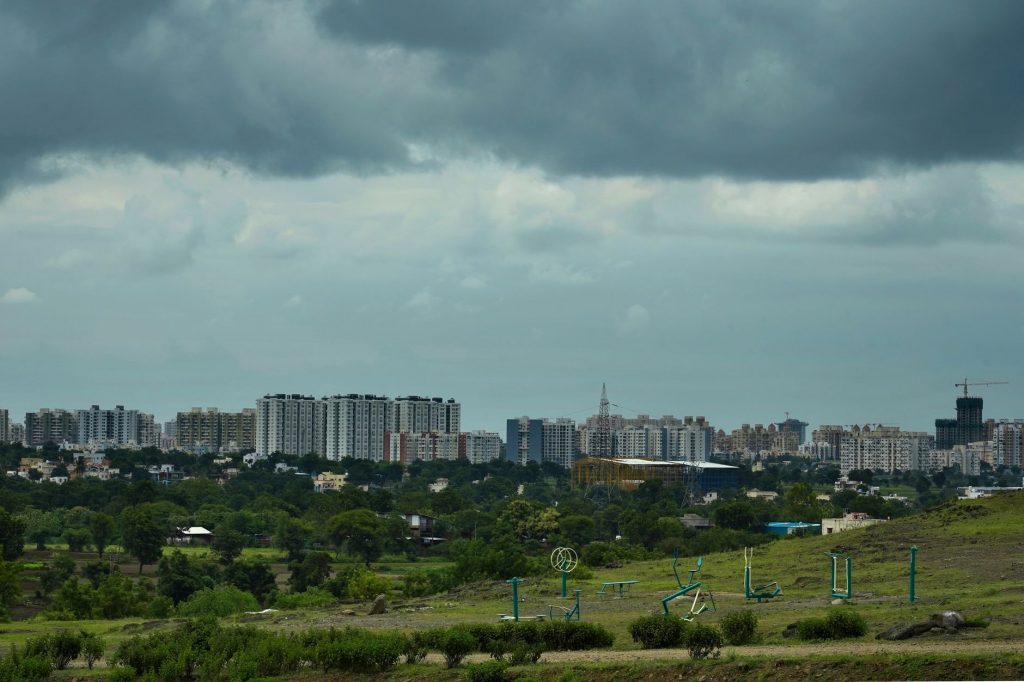
In a move that is set to revolutionize the way Punekars travel, the Maharashtra government has announced an ambitious plan to build a network of new roads and tunnels in Pune, with a deadline of 2028. This massive infrastructure project is expected to transform the city’s landscape and make commuting faster, safer, and more convenient for its citizens.
The project, which is being spearheaded by Deputy Chief Minister Devendra Fadnavis, aims to reduce traffic congestion, cut travel time, and enhance connectivity between different parts of the city. According to sources, the proposed network of roads and tunnels will span over 100 kilometers, connecting major hubs like Hinjewadi, Kharadi, and Wagholi to the city center.
Background and Context
Pune, known as the Oxford of the East, has witnessed rapid growth and urbanization over the past few decades. The city’s population has swelled, and with it, the number of vehicles on the road has increased exponentially. This has led to chronic traffic congestion, air pollution, and a significant decrease in the quality of life for its citizens. The existing infrastructure has been unable to cope with the demands of a growing population, resulting in frequent traffic jams, accidents, and frustration among commuters.
The Maharashtra government, recognizing the need for a comprehensive solution, has been working on a master plan to upgrade the city’s infrastructure. The proposed network of roads and tunnels is a key component of this plan, designed to provide a seamless and efficient transportation system that will benefit citizens, businesses, and the environment. By investing in modern infrastructure, the government hopes to make Pune a more attractive destination for investors, startups, and tourists, thereby boosting the local economy and creating new job opportunities.
The Proposed Network
The proposed network of roads and tunnels will be designed to reduce travel time, improve safety, and minimize the environmental impact of transportation. The plan includes the construction of new highways, flyovers, and underpasses, as well as the upgrading of existing roads to make them more efficient and safe. The tunnels, which will be built using cutting-edge technology, will help to reduce traffic congestion and minimize the visual impact of the roads on the surrounding landscape.
The project will also involve the development of dedicated public transportation systems, including bus rapid transit (BRT) corridors and metro lines. These systems will be designed to provide citizens with a reliable, efficient, and affordable mode of transportation, reducing their dependence on personal vehicles and contributing to a cleaner and healthier environment. By promoting the use of public transportation, the government hopes to reduce the number of private vehicles on the road, decrease air pollution, and create a more sustainable transportation system.
What This Means for Indians
The proposed network of roads and tunnels in Pune is a significant development that will have far-reaching implications for the city and its citizens. By investing in modern infrastructure, the government is demonstrating its commitment to creating a more livable, sustainable, and prosperous city. The project will not only improve the quality of life for Punekars but also contribute to the growth and development of the regional economy.
As the project progresses, citizens can expect to see significant improvements in traffic flow, reduced travel time, and enhanced connectivity between different parts of the city. The development of dedicated public transportation systems will provide citizens with a reliable and affordable mode of transportation, reducing their dependence on personal vehicles and contributing to a cleaner and healthier environment. By 2028, Pune is expected to have a transformed transportation system that will make it one of the most livable cities in India.
The success of this project will also have implications for other cities in India, demonstrating the importance of investing in modern infrastructure to create sustainable and livable urban environments. As the country continues to urbanize, the need for comprehensive and integrated transportation systems will become increasingly important. The Pune project will serve as a model for other cities, showcasing the benefits of investing in modern infrastructure and providing a blueprint for creating more efficient, safe, and sustainable transportation systems.