
We’ve all seen those viral videos, haven’t we? Sometimes they make us laugh, sometimes they make us think, and sometimes, they land people in hot water. This week, a young woman found herself at the centre of a storm after a video she was part of went viral, sparking widespread debate.
The Viral Video and Its Aftermath
A video featuring a young woman, allegedly making objectionable remarks about Prime Minister Narendra Modi, has taken social media by storm. The clip, which quickly went viral across various platforms, drew sharp criticism from many quarters. The controversy escalated rapidly, with many demanding action and others defending the young woman’s right to expression. The sheer speed at which the video spread highlights the power and reach of social media in today’s India.
An Apology Issued
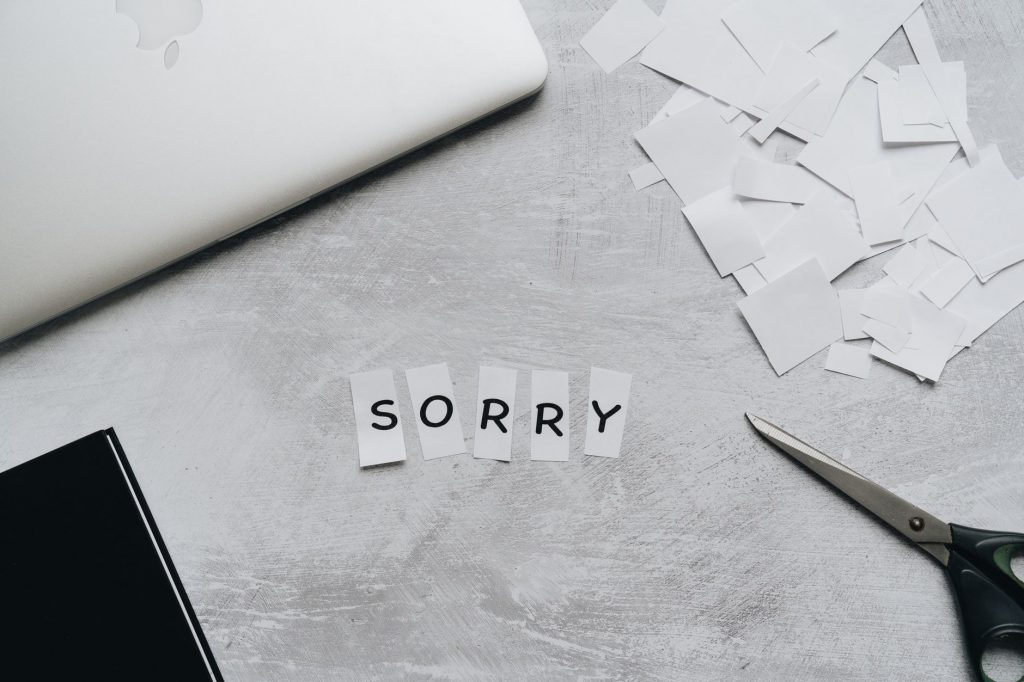
In a significant development, the young woman, whose identity has been widely circulated online, has now issued a public apology. She expressed regret for her words and the offence they may have caused. Her statement, shared through social media channels, indicated that she did not intend to hurt anyone’s sentiments and that the video might have been taken out of context or misunderstood. This apology comes after considerable pressure and public scrutiny.
Expert Take: Navigating Online Speech
This incident raises pertinent questions about freedom of speech, responsible online behaviour, and the potential consequences of viral content. Dr. Anya Sharma, a media analyst, commented, “In the digital age, a single post can have far-reaching implications. While freedom of expression is a fundamental right, it’s crucial to consider the impact of our words, especially when they involve public figures or sensitive political discourse. The swiftness of online condemnation and the subsequent apology underscore the delicate balance individuals must strike when engaging in public conversations online.” The case serves as a reminder for all users to be mindful of their digital footprint.