
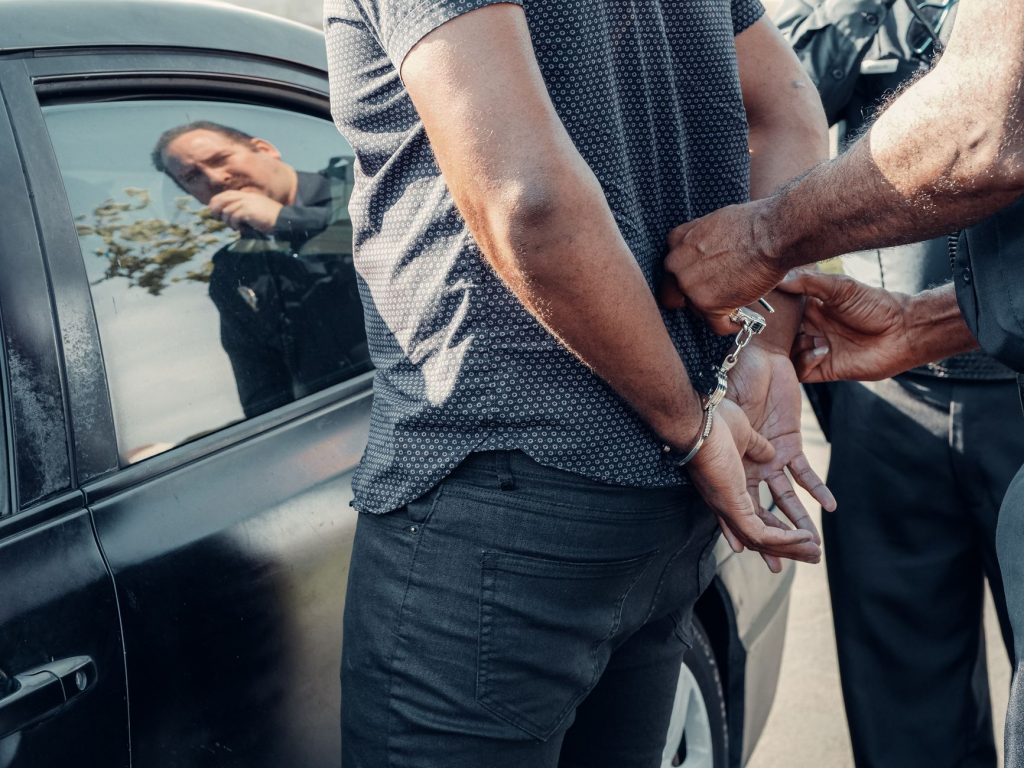
Why was T.G. Mohandas, a known Hindutva ideologue, taken into custody by the cyber police in Kochi? He was arrested following allegations of making offensive remarks about student protesters, particularly women, who had gathered at Jantar Mantar.
Controversial Statements Spark Arrest
The arrest of T.G. Mohandas by the Kerala Cyber Police has sent ripples across social media and political circles. Sources indicate that the action was taken after complaints were filed against him for allegedly making disparaging and controversial statements concerning students who participated in protests at Jantar Mantar. The focus of the complaints appears to be his remarks specifically targeting female protesters, which were deemed by many to be deeply offensive and inappropriate.
The Jantar Mantar Protest Context
The student protests at Jantar Mantar, a well-known protest site in Delhi, have often drawn attention for various reasons. In this instance, the nature of Mohandas’s comments has not been fully detailed in public reports, but the fact that they targeted women protesters suggests a gendered and potentially misogynistic angle. Such statements, especially when made by public figures, can attract significant criticism and legal scrutiny, leading to the current situation.
Legal Ramifications and Public Reaction
Under Indian law, making statements that insult or demean specific groups, especially based on gender, can lead to legal action. The cyber police’s intervention signifies that these remarks were considered serious enough to warrant an investigation and subsequent custody. This incident highlights the growing scrutiny over online speech and the legal consequences that can follow controversial public statements, even from prominent personalities. The arrest is likely to spark further debate on freedom of speech versus hate speech in India.
What Happens Next?
T.G. Mohandas is currently in police custody, and further investigation will determine the exact charges and legal proceedings. This development underscores the increasing assertiveness of law enforcement in addressing online hate speech and controversial remarks made by public figures in India. The outcome of this case could set a precedent for how similar instances are handled in the future.